Walk through almost any garden, backyard, or empty lot during the warmer months, and you may notice a low-growing plant with smooth, reddish stems and thick, succulent leaves. Many people pull it out without a second thought, assuming it's just another stubborn weed. That plant is purslane (Portulaca oleracea), and it has been used as both a food and a medicinal herb in many cultures for thousands of years.
In recent years, purslane has attracted growing scientific interest because of its impressive nutritional profile. It contains vitamins, minerals, antioxidants, fiber, and one of the highest levels of plant-based omega-3 fatty acids found in leafy vegetables. Researchers continue to study its potential role in supporting overall health, although many of the proposed benefits require further human research.
While purslane should not be considered a cure for any disease, it can be a nutritious addition to a balanced diet when correctly identified, harvested from clean areas, and prepared safely.
Here are 9 surprising reasons why this humble plant may deserve a second look.
What Is Purslane?
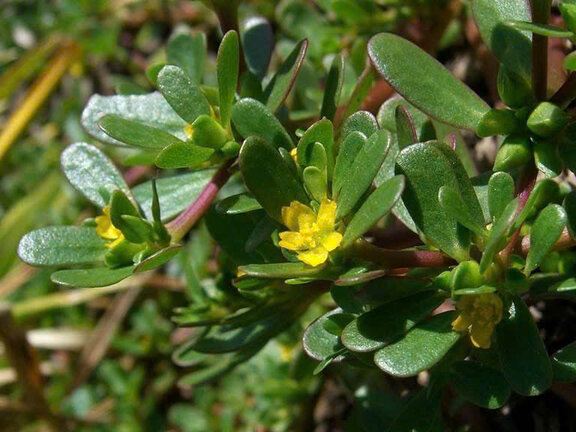
Purslane is an edible succulent that grows naturally in many parts of the world.
It is characterized by:
-
Thick, fleshy leaves
-
Smooth reddish stems
-
Small yellow flowers
-
A slightly tangy, lemon-like flavor
-
Crisp, juicy texture
It grows quickly in sunny areas and is remarkably drought-tolerant.
Many gardeners remove it as a weed, while others intentionally cultivate it as a nutritious vegetable.
A Plant With a Long History
Purslane has been eaten for centuries across Europe, Asia, the Middle East, Africa, and the Americas.
Traditionally, it has been added to:
-
Fresh salads
-
Soups
-
Stir-fries
-
Yogurt dishes
-
Pickles
-
Herbal preparations
Modern nutrition research has renewed interest in this ancient plant because of its unique nutrient composition.
1. Rich in Omega-3 Fatty Acids
One of purslane's most remarkable characteristics is its omega-3 content.
Unlike most leafy vegetables, purslane contains relatively high amounts of alpha-linolenic acid (ALA), a plant-based omega-3 fatty acid.
Omega-3 fats contribute to:
-
Heart health
-
Brain function
-
Healthy inflammatory responses
-
Cell membrane structure
Although fish remains the richest dietary source of EPA and DHA (two other omega-3 fats), purslane is among the best vegetable sources of ALA.
For people who eat little or no seafood, this makes purslane especially interesting.
2. Packed With Antioxidants
Purslane contains a variety of antioxidant compounds, including:
-
Vitamin C
-
Vitamin E
-
Beta-carotene
-
Glutathione
-
Flavonoids
-
Betalains
-
Polyphenols
Antioxidants help protect cells from oxidative stress caused by unstable molecules known as free radicals.
A diet rich in antioxidant-containing fruits and vegetables has been associated with numerous long-term health benefits.
3. A Good Source of Important Vitamins
Despite being considered a weed by many people, purslane provides an impressive range of vitamins.
These include:
Vitamin A
Supports:
-
Healthy vision
-
Immune function
-
Skin health
The beta-carotene found in purslane is converted into vitamin A as needed by the body.
Vitamin C
Helps support:
-
Collagen production
-
Immune function
-
Wound healing
Vitamin C also acts as an antioxidant.
Vitamin E
Vitamin E protects cell membranes from oxidative damage and supports immune function.
4. Provides Valuable Minerals
Purslane also supplies several important minerals.
These include:
Magnesium
Supports:
-
Muscle function
-
Nerve function
-
Energy production
-
Bone health
Potassium
Potassium contributes to:
-
Healthy blood pressure
-
Muscle contractions
-
Fluid balance
People with advanced kidney disease should consult their healthcare provider before increasing potassium-rich foods.
Calcium
Calcium supports:
-
Strong bones
-
Teeth
-
Muscle contraction
Although dairy products remain a richer source, every contribution helps support overall intake.
Iron
Iron helps transport oxygen throughout the body.
Plant-based iron is absorbed more efficiently when eaten alongside vitamin C-rich foods.
5. Naturally Low in Calories but High in Nutrients
Purslane is considered a nutrient-dense food.
It provides substantial nutrition while contributing relatively few calories.
This makes it an excellent addition to meals for people who wish to:
-
Increase vegetable intake
-
Support weight management
-
Add variety to their diet
No single food causes weight loss, but replacing highly processed foods with vegetables can support healthy eating habits.
6. Supports Digestive Health With Fiber
Purslane contains dietary fiber, which supports:
-
Regular bowel movements
-
Healthy digestion
-
Beneficial gut bacteria
-
Satiety after meals
Most adults consume less fiber than recommended.
Adding more vegetables—including purslane—can help increase overall fiber intake.
7. Contains Beneficial Plant Compounds
Researchers have identified numerous bioactive compounds in purslane.
These include:
-
Flavonoids
-
Alkaloids
-
Terpenoids
-
Polysaccharides
-
Organic acids
Scientists continue studying these compounds for their potential biological activities in laboratory settings.
While early findings are promising, many require confirmation in human clinical studies.
8. May Support Heart Health as Part of a Balanced Diet
Several nutrients found in purslane are associated with cardiovascular health.
These include:
-
Omega-3 fatty acids
-
Potassium
-
Magnesium
-
Antioxidants
-
Fiber
Eating a variety of vegetables is consistently associated with better heart health in large population studies.
However, no single vegetable can prevent heart disease on its own.
Overall dietary patterns matter far more than individual foods.
9. Adds Variety and Flavor to Healthy Meals
Healthy eating doesn't have to be boring.
Purslane offers:
-
Crisp texture
-
Mild lemony flavor
-
Slightly peppery taste
-
Juicy leaves
It pairs well with:
-
Tomatoes
-
Cucumbers
-
Yogurt
-
Olive oil
-
Garlic
-
Lemon juice
-
Eggs
-
Fish
Adding different vegetables to your meals increases both flavor and nutrient diversity.
How to Identify Purslane
Correct identification is essential before eating any wild plant.
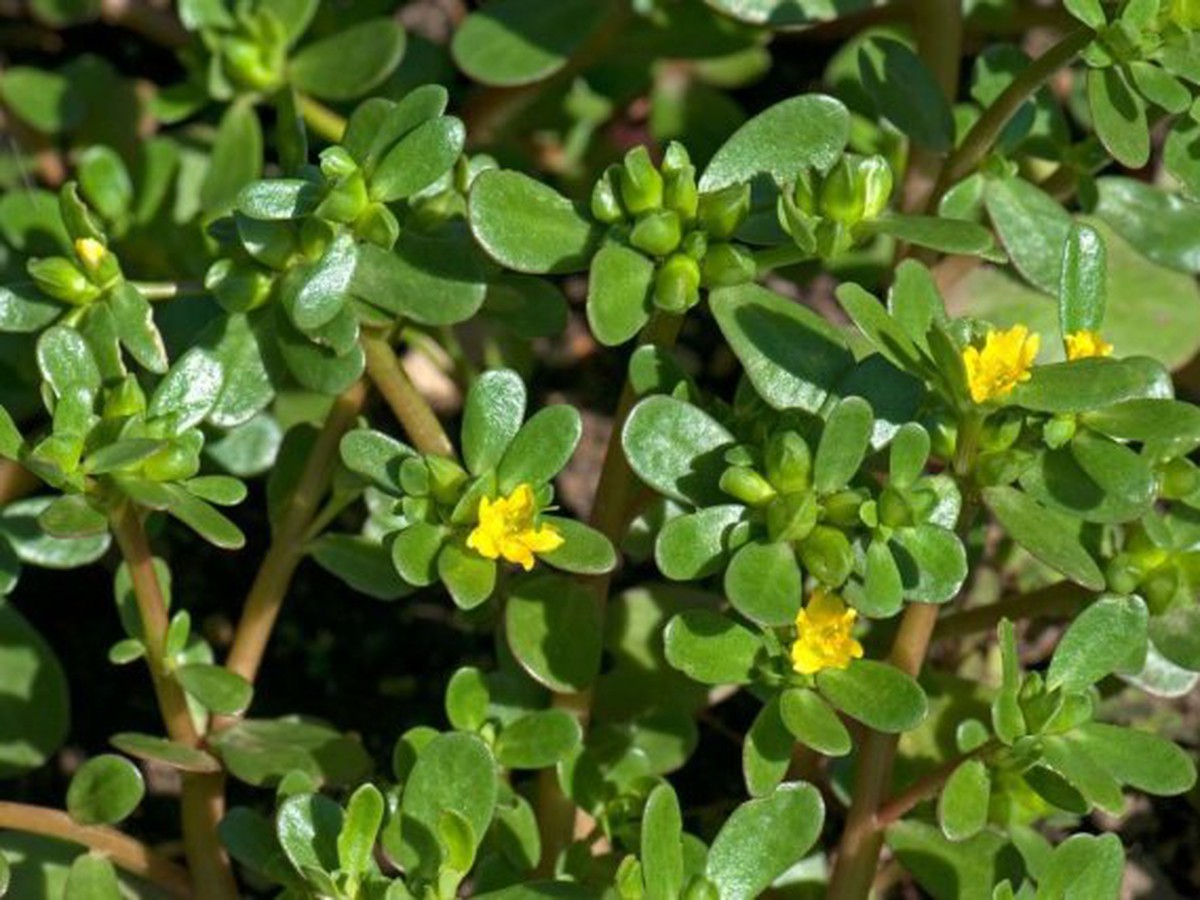
Purslane typically has:
-
Smooth, rounded leaves
-
Thick succulent stems
-
Red or reddish-green stems
-
Small yellow flowers
-
A sprawling growth habit close to the ground
It stores water in its leaves, giving them a slightly fleshy appearance.
If you're unsure of a plant's identity, do not consume it.
Be Careful Not to Confuse It With Spurge
One plant commonly mistaken for purslane is spurge (Euphorbia species).
Unlike purslane, many spurge species are not edible and produce a milky white sap that can irritate the skin and eyes.
Key differences include:
Purslane
-
Thick succulent leaves
-
Smooth stems
-
Clear sap
Spurge
-
Thin leaves
-
Milky white sap
-
Often hairier stems
Always confirm identification before harvesting.
How to Harvest Purslane Safely
Only harvest purslane from:
-
Organic gardens
-
Your own yard (if free from pesticides)
-
Trusted farms
-
Areas away from busy roads
Avoid plants growing where they may have been exposed to:
-
Herbicides
-
Industrial pollution
-
Animal waste
-
Heavy traffic
Wash thoroughly before eating.
Ways to Eat Purslane
Purslane is remarkably versatile.
You can enjoy it:
Raw
Add young leaves to:
-
Salads
-
Sandwiches
-
Wraps
Cooked
Use it in:
-
Soups
-
Stir-fries
-
Omelets
-
Vegetable dishes
Cooking softens the leaves while preserving many nutrients.
Pickled
Some cultures pickle purslane similarly to cucumbers.
Blended
It can be added to:
-
Green smoothies
-
Vegetable juices
-
Pesto
Does Cooking Reduce Nutrients?
Some heat-sensitive nutrients, such as vitamin C, decrease during cooking.
However, cooking may improve the availability of certain other compounds and can make some vegetables easier to digest.
Both raw and cooked purslane can fit into a healthy diet.
Does Purslane Contain Oxalates?
Yes.
Like spinach, beet greens, and Swiss chard, purslane contains oxalates.
People with a history of calcium oxalate kidney stones may need to moderate intake and discuss dietary choices with their healthcare provider or dietitian.
Boiling can reduce some of the oxalate content, although it may also reduce certain water-soluble nutrients.
Can Everyone Eat Purslane?
Most healthy adults can enjoy purslane as part of a varied diet.
However, individuals with:
-
Kidney stone history
-
Advanced kidney disease
-
Specific dietary restrictions
should consult a healthcare professional before consuming large amounts.
Can Purslane Cure Diseases?
No.
Although laboratory studies suggest purslane contains many biologically active compounds, there is currently no strong evidence that eating purslane cures cancer, diabetes, heart disease, or any other medical condition.
Its greatest value lies in contributing beneficial nutrients as part of an overall healthy eating pattern.
Growing Purslane at Home
Because purslane grows quickly and tolerates dry conditions, many gardeners intentionally cultivate it.
It prefers:
-
Full sun
-
Well-drained soil
-
Warm temperatures
Minimal watering is usually needed once established.
Common Myths About Purslane
Myth 1: Purslane Is Just a Weed
While many people consider it a weed, purslane is also an edible vegetable enjoyed in many cuisines around the world.
Myth 2: More Purslane Means Better Health
No single food provides every nutrient your body needs.
A varied diet remains the healthiest approach.
Myth 3: Wild Plants Are Always Safe to Eat
Incorrect identification can be dangerous.
Only consume plants you can identify with confidence.
Myth 4: Purslane Can Replace Medical Treatment
Purslane is a nutritious food—not a substitute for medications or professional medical care.
Building a Balanced Plate
Purslane works well alongside other nutrient-rich foods such as:
-
Whole grains
-
Beans
-
Fish
-
Lean poultry
-
Eggs
-
Olive oil
-
Fresh vegetables
-
Fruits
Combining a variety of foods helps provide a broader range of vitamins, minerals, fiber, and beneficial plant compounds.

The Bottom Line
Purslane is much more than a common garden weed. It is an edible, nutrient-rich plant that provides plant-based omega-3 fatty acids, vitamins A, C, and E, minerals such as magnesium and potassium, dietary fiber, and a wide variety of antioxidants and other beneficial plant compounds.
Although research continues to explore its potential health benefits, purslane should be viewed as one nutritious component of a balanced diet rather than a miracle food or medical treatment.
Final Thoughts
Sometimes the most valuable plants are the ones we overlook. Purslane has quietly grown in gardens, fields, and pathways for centuries, offering nourishment to generations long before it became the subject of modern scientific research.
If you can confidently identify it and harvest it from a clean, pesticide-free environment, purslane can be a flavorful and nutritious addition to salads, soups, stir-fries, and other dishes. Its impressive nutrient profile and versatility make it a wonderful example of how everyday plants can contribute to healthy eating.
Ultimately, the greatest health benefits come not from a single "superfood," but from a consistent pattern of eating a wide variety of fruits, vegetables, whole grains, legumes, nuts, seeds, and lean protein sources. Purslane can certainly be one colorful and worthwhile part of that picture.