Blood sugar plays a critical role in keeping the body functioning properly. It serves as the primary source of energy for cells and helps power everything from brain activity to muscle movement. However, when blood sugar levels remain consistently elevated, the body may begin sending warning signals that are easy to overlook.
High blood sugar, also known as hyperglycemia, can develop gradually. Many people dismiss early symptoms as signs of stress, aging, fatigue, or a busy lifestyle. Unfortunately, ignoring these warning signs may delay diagnosis and treatment of underlying conditions such as prediabetes or diabetes.
The good news is that recognizing the symptoms early may help individuals seek medical advice sooner and take steps to better manage their health.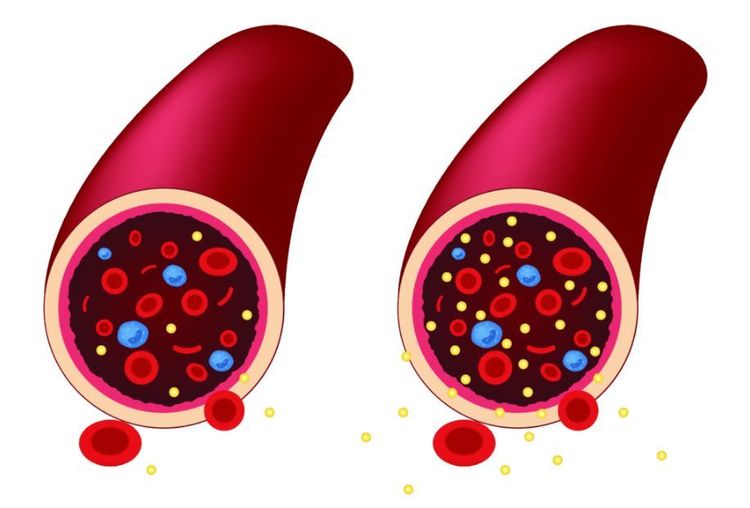
What Is High Blood Sugar?
Blood sugar refers to the amount of glucose circulating in the bloodstream.
Why Glucose Matters
The body uses glucose for:
-
Energy production
-
Brain function
-
Muscle activity
-
Organ function
Normally, insulin helps move glucose from the bloodstream into cells.
When this process becomes impaired, blood sugar levels can rise.
Why Early Detection Is Important
Persistently elevated blood sugar may affect:
-
Blood vessels
-
Nerves
-
Eyes
-
Kidneys
-
Heart
Many complications develop gradually over time.
Recognizing symptoms early may help reduce long-term risks.
14 Symptoms of High Blood Sugar You Shouldn't Ignore
1. Excessive Thirst
One of the earliest and most common symptoms is increased thirst.
Why It Happens
When blood sugar rises, the body attempts to remove excess glucose through urine.
This process can lead to dehydration.
What You May Notice
-
Constant thirst
-
Dry mouth
-
Needing water more frequently
2. Frequent Urination
Excess glucose in the bloodstream often causes the kidneys to work harder.
Common Signs
-
More frequent bathroom trips
-
Waking up multiple times at night to urinate
-
Increased urine volume
This symptom often occurs alongside excessive thirst.
3. Persistent Fatigue
Feeling tired despite adequate rest may be a warning sign.
Why?
Although glucose is present in the bloodstream, cells may struggle to use it effectively.
This can reduce energy availability.
Symptoms Include
-
Lack of motivation
-
Low energy
-
Difficulty concentrating
4. Blurred Vision
Changes in blood sugar can affect the eyes.
Possible Effects
Temporary fluid shifts may influence the shape of the eye's lens.
Symptoms
-
Difficulty focusing
-
Blurry vision
-
Fluctuating eyesight
Any persistent vision changes should be evaluated by a healthcare professional.
5. Increased Hunger
Many people are surprised to learn that high blood sugar may increase appetite.
Why It Happens
Cells may not receive enough usable glucose despite elevated blood sugar levels.
The brain interprets this as a need for more food.
Common Experience
Feeling hungry shortly after eating.
6. Unexplained Weight Loss
Unexpected weight loss can occur despite normal eating habits.
Why?
When cells cannot effectively use glucose, the body may begin breaking down fat and muscle for energy.
Important Note
Unintentional weight loss should always be discussed with a healthcare provider.
7. Slow-Healing Cuts and Wounds
Healing may take longer when blood sugar remains elevated.
Why?
High blood sugar can affect:
-
Circulation
-
Immune function
-
Tissue repair
Signs
-
Cuts healing slowly
-
Persistent sores
-
Frequent skin problems
8. Frequent Infections
Elevated blood sugar may make it easier for certain infections to develop.
Common Examples
-
Skin infections
-
Urinary tract infections
-
Gum infections
Frequent infections may warrant medical evaluation.
9. Tingling or Numbness in Hands and Feet
Persistently high blood sugar may affect nerves.
Symptoms
-
Tingling
-
Burning sensations
-
Numbness
-
Pins-and-needles feelings
These symptoms often begin gradually.
10. Dry Skin
Many individuals with elevated blood sugar report skin changes.
Possible Symptoms
-
Dryness
-
Itching
-
Cracked skin
Proper hydration and medical evaluation may be helpful.
11. Darkened Skin Patches
Some individuals develop darker areas of skin.
Common Locations
-
Neck
-
Armpits
-
Groin
This condition is sometimes associated with insulin resistance.
12. Headaches
Blood sugar fluctuations may contribute to headaches in some people.
Possible Characteristics
-
Recurring headaches
-
Difficulty concentrating
-
Mental fatigue
Headaches have many causes, but blood sugar may be one factor.
13. Difficulty Concentrating
The brain relies heavily on glucose regulation.
Possible Symptoms
-
Brain fog
-
Poor focus
-
Reduced productivity
-
Memory difficulties
Many people mistake these symptoms for ordinary stress.
14. Irritability and Mood Changes
Blood sugar imbalances may affect emotional well-being.
Possible Effects
-
Irritability
-
Mood swings
-
Frustration
-
Increased stress sensitivity
Emotional symptoms are often overlooked.
Who Is at Higher Risk?
Certain factors increase the likelihood of developing high blood sugar.
Common Risk Factors
-
Family history of diabetes
-
Excess body weight
-
Physical inactivity
-
High blood pressure
-
Unhealthy dietary habits
-
Increasing age
Having risk factors does not guarantee diabetes, but awareness is important.
What Causes Blood Sugar to Rise?
Several factors may contribute.
Diet
Frequent consumption of:
-
Sugary beverages
-
Processed foods
-
Refined carbohydrates
may influence blood sugar levels.
Lack of Exercise
Physical activity helps the body use glucose more effectively.
Stress
Stress hormones can affect blood sugar regulation.
Illness
Infections and illness may temporarily elevate blood sugar.
How Doctors Diagnose High Blood Sugar
Medical professionals may use several tests.
Common Tests Include
-
Fasting blood glucose
-
HbA1c
-
Oral glucose tolerance test
These tests help determine whether blood sugar levels are within a healthy range.
14 Healthy Habits That May Help Support Blood Sugar Control
1. Eat More Non-Starchy Vegetables
Examples include:
-
Broccoli
-
Cabbage
-
Spinach
-
Cucumbers
2. Limit Sugary Drinks
Water is usually the best choice.
3. Increase Physical Activity
Regular movement helps improve insulin sensitivity.
4. Maintain a Healthy Weight
Weight management may support blood sugar regulation.
5. Prioritize Sleep
Poor sleep can affect blood sugar control.
6. Manage Stress
Techniques include:
-
Meditation
-
Walking
-
Deep breathing
7. Eat More Fiber
Fiber may help slow glucose absorption.
8. Stay Hydrated
Proper hydration supports overall metabolic health.
9. Avoid Smoking
Smoking increases the risk of many health complications.
10. Monitor Portion Sizes
Large meals may contribute to blood sugar spikes.
11. Choose Whole Grains
Whole grains generally digest more slowly than refined carbohydrates.
12. Include Lean Protein
Protein may help promote satiety.
13. Follow Medical Advice
Individuals with diabetes should follow prescribed treatment plans.
14. Schedule Regular Checkups
Routine monitoring helps detect changes early.
When Should You Seek Medical Attention?
Consider consulting a healthcare professional if you experience:
-
Persistent thirst
-
Frequent urination
-
Unexplained weight loss
-
Blurred vision
-
Ongoing fatigue
Prompt evaluation can help identify the cause.
Common Myths About High Blood Sugar
Myth 1: Symptoms Always Appear Immediately
Many people have elevated blood sugar for years before diagnosis.
Myth 2: Only Overweight People Develop Diabetes
People of various body types can develop diabetes.
Myth 3: Feeling Fine Means Blood Sugar Is Normal
Blood sugar abnormalities can exist without obvious symptoms.
Final Thoughts
High blood sugar often develops gradually, and many of its earliest symptoms can be easy to dismiss. Excessive thirst, frequent urination, fatigue, blurred vision, increased hunger, unexplained weight loss, slow wound healing, numbness, and other subtle changes may all be signs worth discussing with a healthcare professional.
Recognizing these symptoms early can provide an opportunity for timely diagnosis, treatment, and lifestyle changes. Whether you have risk factors for diabetes or simply want to protect your long-term health, paying attention to your body's signals is one of the most important steps you can take toward better blood sugar management and overall well-being.