The liver is one of the hardest-working organs in the human body. It performs hundreds of vital functions every day, including filtering toxins, producing important proteins, helping digest fats, regulating blood sugar, and storing essential nutrients.
Despite its remarkable importance, the liver is often called a "silent organ" because many liver diseases develop gradually and may not cause obvious symptoms until significant damage has already occurred.
The good news is that the body often provides warning signs before serious complications develop. Understanding these symptoms can help individuals seek medical evaluation earlier and potentially improve outcomes.
It is important to remember that these symptoms can be caused by many conditions other than liver disease. However, persistent or unexplained symptoms should never be ignored.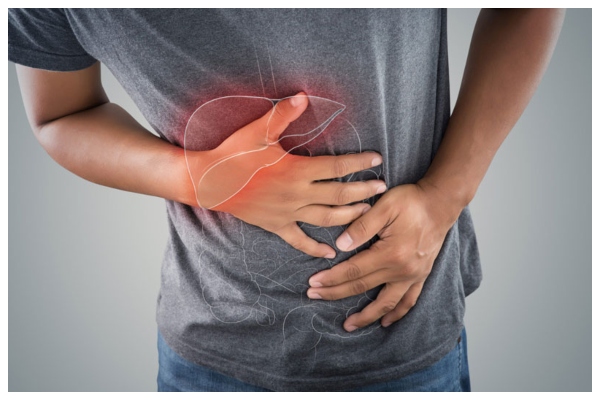
Why Liver Health Matters
The liver is responsible for numerous critical functions, including:
-
Removing toxins from the bloodstream
-
Producing bile for digestion
-
Processing medications
-
Storing vitamins and minerals
-
Regulating metabolism
-
Supporting immune function
When liver function becomes impaired, many different systems throughout the body can be affected.
Symptom 1: Persistent Fatigue
One of the earliest and most common symptoms of liver problems is ongoing fatigue.
What It Feels Like
People often report:
-
Low energy
-
Constant tiredness
-
Reduced motivation
-
Difficulty concentrating
Why It Happens
When liver function becomes impaired, metabolic processes may become less efficient, contributing to fatigue.
Symptom 2: Yellowing of the Skin or Eyes
This symptom is known as jaundice.
What Causes It?
Jaundice occurs when bilirubin accumulates in the bloodstream.
Signs Include
-
Yellow eyes
-
Yellow skin
-
Yellowish appearance of mucous membranes
Jaundice often warrants prompt medical evaluation.
Symptom 3: Dark Urine
Changes in urine color can sometimes indicate liver problems.
What to Look For
Urine may appear:
-
Dark yellow
-
Amber-colored
-
Brownish
Important Note
Dehydration can also darken urine, so persistent changes deserve medical attention.
Symptom 4: Pale or Clay-Colored Stools
The liver helps produce bile, which contributes to normal stool color.
Possible Changes
Stools may become:
-
Pale
-
Grayish
-
Clay-colored
Persistent changes should be discussed with a healthcare provider.
Symptom 5: Abdominal Pain or Discomfort
Liver-related discomfort often occurs in the upper right side of the abdomen.
Symptoms May Include
-
Pressure
-
Fullness
-
Dull aching sensations
While abdominal pain has many causes, persistent discomfort should not be ignored.
Symptom 6: Unexplained Nausea
Digestive symptoms may sometimes accompany liver dysfunction.
Common Complaints
-
Nausea
-
Reduced appetite
-
Feeling sick after meals
These symptoms are often vague and easy to dismiss.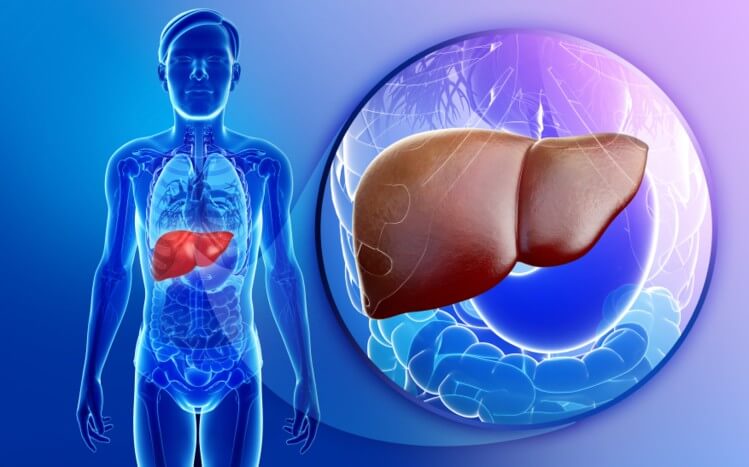
Symptom 7: Loss of Appetite
Many liver conditions can affect appetite.
Warning Signs
-
Eating less than usual
-
Reduced interest in food
-
Feeling full quickly
Changes that persist over time deserve attention.
Symptom 8: Unintentional Weight Loss
Unexpected weight loss can occur with various liver disorders.
When to Be Concerned
Weight loss that occurs without:
-
Dieting
-
Increased exercise
-
Intentional lifestyle changes
should be evaluated.
Symptom 9: Itchy Skin
Many people do not realize that chronic itching can sometimes be associated with liver disease.
Characteristics
-
Persistent itching
-
Widespread itching
-
No obvious rash
Why It Happens
Changes involving bile flow may contribute to skin irritation in certain liver conditions.
Symptom 10: Easy Bruising or Bleeding
The liver helps produce proteins involved in blood clotting.
Possible Signs
-
Frequent bruises
-
Nosebleeds
-
Bleeding gums
-
Prolonged bleeding after minor injuries
These symptoms should always be discussed with a healthcare professional.
Symptom 11: Swelling in the Legs and Ankles
Fluid retention may occur when liver function is significantly impaired.
What You May Notice
-
Puffy ankles
-
Swollen feet
-
Tight shoes
Persistent swelling requires evaluation.
Symptom 12: Abdominal Swelling
In advanced liver disease, fluid may accumulate within the abdomen.
Medical Term
This condition is called ascites.
Symptoms Include
-
Enlarged abdomen
-
Feeling bloated
-
Increased abdominal girth
Prompt medical assessment is important.
Symptom 13: Difficulty Concentrating
The liver plays an important role in filtering substances from the bloodstream.
Possible Cognitive Symptoms
-
Brain fog
-
Poor concentration
-
Memory difficulties
-
Confusion
These symptoms may occur in more advanced liver conditions.
Symptom 14: Spider-Like Blood Vessels on the Skin
Some liver diseases may be associated with visible blood vessel changes.
Appearance
Small blood vessels may resemble:
-
Tiny spiders
-
Star-shaped patterns
-
Red branching lines
These are often found on:
-
Face
-
Neck
-
Upper chest
Although not always related to liver disease, they can sometimes be an important clue.
Common Causes of Liver Damage
Many different conditions can affect liver health.
Fatty Liver Disease
One of the most common liver disorders worldwide.
Viral Hepatitis
Including:
-
Hepatitis B
-
Hepatitis C
Excessive Alcohol Consumption
Long-term alcohol misuse can significantly damage liver tissue.
Certain Medications
Some medications may affect liver function.
Autoimmune Conditions
The immune system may sometimes mistakenly attack liver cells.
Who Is at Higher Risk?
Several factors increase the risk of liver disease.
Obesity
Excess body weight is strongly associated with fatty liver disease.
Type 2 Diabetes
Metabolic disorders often affect liver health.
Heavy Alcohol Use
Alcohol remains a major risk factor for liver damage.
Family History
Genetics may influence susceptibility.
Can Liver Damage Be Reversed?
The answer depends on the cause and severity.
Early Stages
Some liver conditions can improve significantly with:
-
Lifestyle changes
-
Weight management
-
Proper treatment
Advanced Stages
Severe scarring, known as cirrhosis, may be irreversible.
This is why early detection is so important.
Supporting Liver Health
Maintain a Healthy Weight
Healthy body weight supports liver function.
Limit Alcohol Consumption
Moderation is important for long-term liver health.
Eat a Balanced Diet
Focus on:
-
Fruits
-
Vegetables
-
Whole grains
-
Lean proteins
Stay Physically Active
Regular exercise supports metabolic health.
Attend Regular Medical Checkups
Routine blood tests may help identify problems before symptoms appear.
Common Myths About Liver Disease
Myth 1: Liver Disease Always Causes Pain
Many liver conditions cause no pain at all during early stages.
Myth 2: Only Heavy Drinkers Develop Liver Problems
Many non-alcohol-related conditions can affect the liver.
Myth 3: You Will Always Know When Something Is Wrong
Because the liver often compensates for damage, symptoms may appear late.
When Should You See a Doctor?
Consider seeking medical evaluation if you experience:
-
Jaundice
-
Persistent fatigue
-
Unexplained weight loss
-
Ongoing nausea
-
Abdominal swelling
-
Persistent itching
-
Changes in urine or stool color
Early evaluation can help identify the cause and guide appropriate treatment.
Final Thoughts
The liver performs countless functions that keep the body healthy, yet liver disease often develops quietly. Persistent fatigue, jaundice, dark urine, pale stools, abdominal discomfort, nausea, itching, swelling, and other unexplained symptoms may all be signs that the liver needs attention.
Most of these symptoms can be caused by conditions other than liver disease. However, when symptoms persist or worsen, seeking medical advice is essential. Recognizing potential warning signs early and taking steps to support liver health can make a significant difference in long-term well-being.