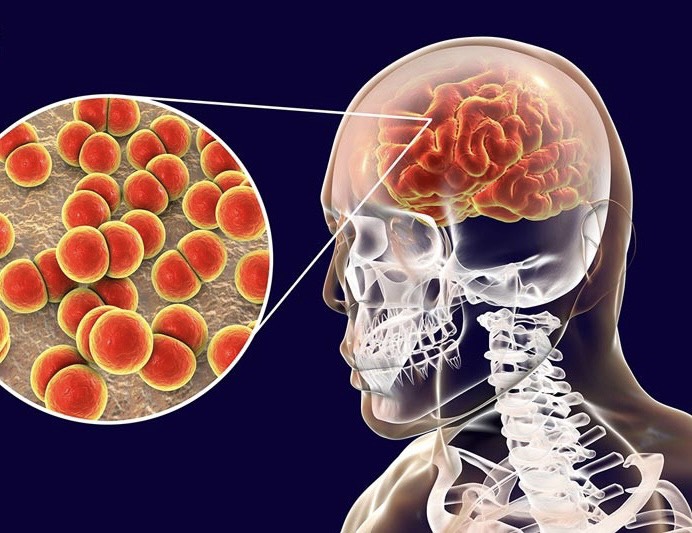
Meningitis is a condition that causes inflammation of the protective membranes surrounding the brain and spinal cord. It can be caused by viruses, bacteria, fungi, and other less common causes.
Some forms of meningitis are relatively mild, while bacterial meningitis can become life-threatening very quickly. The challenge is that the earliest symptoms can look surprisingly ordinary—like the flu, a stomach infection, or a bad headache. Symptoms can also appear in different orders, and not everyone develops every classic sign.
That's why knowing the warning signs matters.
If you suspect meningitis, don't wait for every symptom to appear. Seek urgent medical attention.
1. A Sudden or Severe Headache
A severe headache is one of the symptoms commonly associated with meningitis.
It may feel different from an ordinary headache and can become progressively worse.
You might notice:
-
Intense head pain
-
A headache that doesn't improve normally
-
Pain accompanied by fever
-
Headache combined with neck stiffness
-
Increasing sensitivity to light
A headache by itself does not mean meningitis. Migraines, dehydration, infections, and many other conditions can cause severe headaches.
The concern becomes greater when a severe headache appears together with several other meningitis symptoms.
2. Fever and Chills
Meningitis can begin with a sudden fever.
You may feel:
-
Hot and feverish
-
Chilled or shivery
-
Extremely cold despite having a fever
-
Weak or unusually unwell
Fever is common in many infections, so it isn't specific to meningitis.
However, a high fever combined with severe headache, stiff neck, vomiting, confusion, or a rapidly worsening condition requires urgent medical attention.
3. A Stiff or Painful Neck
Neck stiffness is one of the classic symptoms associated with meningitis.
You may find it difficult or painful to move your neck normally.
For example, bending your neck forward may become particularly uncomfortable.
But it's important not to assume that every stiff neck is meningitis.
Sleeping in an awkward position, muscle strain, arthritis, and other conditions can cause neck stiffness.
The concern is greater when neck stiffness occurs alongside:
-
Fever
-
Severe headache
-
Vomiting
-
Sensitivity to light
-
Confusion
-
Extreme sleepiness
4. Sensitivity to Bright Light
Another possible symptom is photophobia, meaning that bright light becomes uncomfortable or painful.
Someone who normally has no problem with sunlight or room lighting may suddenly want to stay somewhere dark.
They may:
-
Avoid opening curtains
-
Wear sunglasses indoors
-
Cover their eyes
-
Find phone or computer screens uncomfortable
Sensitivity to light can also occur with migraines and other conditions, so it shouldn't be considered a diagnosis by itself.
But when combined with fever, severe headache, and neck stiffness, it can be an important warning sign.
5. Nausea and Vomiting
Meningitis can cause nausea and vomiting.
This can make the illness initially look like:
-
Food poisoning
-
Stomach flu
-
A gastrointestinal infection
-
A severe migraine
That's one reason meningitis can sometimes be difficult to recognize during its early stages.
If vomiting is accompanied by a severe headache, fever, stiff neck, confusion, or unusual sleepiness, don't simply assume you've eaten something bad.
6. Extreme Sleepiness or Difficulty Waking
This is a symptom that should be taken seriously.
Someone who is normally alert may suddenly become:
-
Extremely sleepy
-
Difficult to wake
-
Confused
-
Less responsive
-
Unusually quiet or inactive
Severe sleepiness or altered consciousness can occur as meningitis becomes more serious.
If someone is difficult to wake or isn't responding normally, seek emergency medical help.
Don't assume they simply need more sleep.
7. Confusion or Unusual Behavior
Meningitis can affect the brain and cause changes in mental state.
A person may:
-
Become confused
-
Struggle to answer simple questions
-
Speak strangely
-
Seem disoriented
-
Behave differently from normal
-
Have difficulty staying alert
Sudden confusion is always something to take seriously, particularly when accompanied by fever or severe headache.
It can indicate a serious infection or another medical emergency.
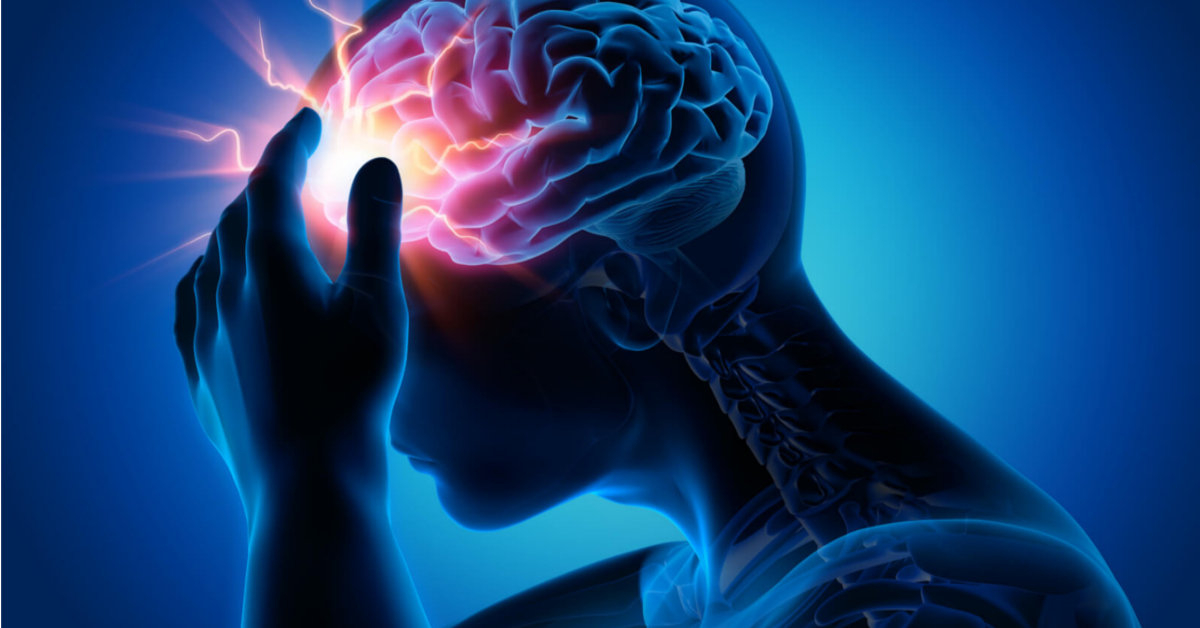
8. Seizures
Seizures can occur in severe cases of meningitis.
A seizure may involve:
-
Uncontrolled shaking
-
Loss of consciousness
-
Stiffening of the body
-
Unusual movements
-
Temporary unresponsiveness
A first-time seizure requires emergency medical evaluation.
Do not put anything in the person's mouth during a seizure.
Move nearby objects away to reduce the risk of injury and seek emergency medical help.
9. A Rash That Doesn't Fade When Pressed
One of the most recognizable warning signs associated with meningococcal disease is a rash that does not fade when pressure is applied.
It may begin as:
-
Small red or purple spots
-
Pinprick-like marks
-
Darker blotches
The rash can spread and become more obvious as the illness progresses.
However, here's an extremely important point:
Do not wait for a rash.
Not everyone with meningitis develops one, and a rash may not appear during the early stages. Symptoms can occur in different orders.
A person who appears seriously ill should receive medical attention even if there is no rash.
10. Very Cold Hands and Feet
Another possible warning sign is unusually cold hands and feet.
This can occur as the body responds to a serious infection.
You may notice that someone's:
-
Hands feel extremely cold
-
Feet feel unusually cold
-
Skin looks pale or mottled
-
Body feels generally unwell
Cold hands and feet alone are common and usually harmless.
But when they occur alongside fever, vomiting, severe pain, rapid breathing, confusion, or a non-fading rash, they can be part of a potentially serious infection.
11. Severe Muscle or Joint Pain
Some people with meningitis or meningococcal disease develop significant muscle or joint pain.
It may feel like an unusually severe flu-like illness.
You may experience:
-
Aching muscles
-
Joint pain
-
Severe weakness
-
Pain in the limbs
-
Difficulty standing or walking
This is particularly concerning when the pain occurs together with fever, vomiting, cold hands and feet, or rapidly worsening illness.
12. Rapid Breathing or Feeling Extremely Unwell
Meningococcal infection can sometimes lead to sepsis, a life-threatening response to infection.
Possible warning signs include:
-
Rapid breathing
-
Severe weakness
-
Pale or mottled skin
-
Cold hands and feet
-
Vomiting
-
Confusion
-
Extreme sleepiness
A person can deteriorate rapidly, sometimes over the course of hours.
If someone appears seriously ill and is getting worse quickly, don't wait to see what happens next.
What Does Meningitis Look Like at the Beginning?
One of the most difficult things about meningitis is that the beginning can look ordinary.
Someone may initially experience:
Fever → headache → tiredness → vomiting
It may seem like the flu.
Or:
Headache → nausea → sensitivity to light
It may seem like a migraine.
Or:
Fever → muscle aches → weakness
It may look like another viral infection.
The problem is that meningitis can progress quickly.
That's why the combination of symptoms and how rapidly someone becomes ill matter more than any single symptom.
Meningitis Symptoms in Babies Can Look Different
Babies cannot tell you that they have a headache or stiff neck.
Their symptoms may therefore be less obvious.
Possible warning signs include:
-
Refusing to feed
-
Unusual irritability
-
A weak or high-pitched cry
-
Being unusually sleepy
-
Difficulty waking
-
Being floppy or unresponsive
-
A stiff body
-
A bulging soft spot on the head
-
Fever or unusually low temperature
-
A non-fading rash
A baby who suddenly seems seriously unwell should be assessed urgently.
Meningitis in Young Children
Young children may also struggle to communicate their symptoms.
Instead of saying "my neck hurts," they might:
-
Cry continuously
-
Refuse food or drinks
-
Become unusually sleepy
-
Become irritable
-
Avoid bright lights
-
Vomit
-
Develop a fever
-
Act very differently from normal
Parents and caregivers should pay attention to significant changes in behavior.
You don't need to wait until every classic symptom appears.
Meningitis Doesn't Always Include the Classic Triad
You may have heard that meningitis always causes:
Fever + stiff neck + severe headache.
That's not necessarily true.
Symptoms can appear in different orders, and some symptoms may never occur. A rash may also be absent, particularly early in the illness.
This is why waiting for the "full checklist" can be dangerous.
If someone is becoming seriously ill and meningitis is a possibility, seek medical attention immediately.
What Causes Meningitis?
Meningitis has several possible causes.
Viral Meningitis
Viruses are a common cause and many cases are less severe than bacterial meningitis.
Bacterial Meningitis
Bacterial meningitis is less common but can be extremely serious and requires urgent hospital treatment.
Fungal Meningitis
This is less common and tends to occur more often in people with certain medical conditions affecting the immune system.
Other causes are also possible, including certain parasites, medications, and non-infectious inflammatory conditions.
The treatment depends heavily on the underlying cause.
Why Bacterial Meningitis Is an Emergency
Bacterial meningitis can progress rapidly.
It may cause complications such as:
-
Sepsis
-
Seizures
-
Hearing loss
-
Vision problems
-
Problems with memory or concentration
-
Movement or coordination problems
-
Brain damage
-
Death
Early treatment is therefore extremely important.
This doesn't mean every headache or fever requires an emergency visit.
It means that when symptoms strongly suggest meningitis—or someone is rapidly deteriorating—waiting at home is not the safe option.
What Should You Do If You Suspect Meningitis?
If you or someone around you develops a combination such as:
-
High fever
-
Severe headache
-
Stiff neck
-
Vomiting
-
Confusion
-
Extreme sleepiness
-
Seizure
-
Non-fading rash
-
Rapid deterioration
seek emergency medical care immediately.
Do not wait until all symptoms appear.
Do not wait for a rash.
Do not assume the person simply has the flu.
Meningitis can worsen quickly, and early assessment matters.
Can Meningitis Be Prevented?
Vaccination is one of the most important tools for preventing several forms of bacterial meningitis.
Depending on age, location, medical history, and risk factors, vaccines may protect against bacteria such as:
-
Meningococcus
-
Pneumococcus
-
Haemophilus influenzae type b
Vaccination schedules differ by country, so it's worth checking whether you and your children are up to date.
Good hygiene and avoiding close contact with people who are seriously ill can also reduce the risk of spreading certain infections.
The Bottom Line
Meningitis can begin with symptoms that look deceptively ordinary.
Fever, severe headache, stiff neck, vomiting, sensitivity to light, confusion, extreme sleepiness, seizures, unusual muscle or joint pain, cold hands and feet, and a non-fading rash are important warning signs to recognize.
But you don't need to experience every symptom for meningitis to be possible.
The most important message is simple:
Don't wait for the complete symptom checklist.
If someone becomes seriously ill, deteriorates quickly, develops a severe headache with fever and neck stiffness, becomes confused or difficult to wake, has a seizure, or develops a non-fading rash, seek emergency medical care immediately.
Meningitis is not something to diagnose at home. Recognizing the warning signs is about knowing when not to wait.