Ginger Isn’t for Everyone: 5 Health Conditions That Call for Extra Caution
Not Everyone Should Consume Ginger Freely — 5 Health Conditions to Know
⏱️ 1 min read 09/08/2026 00:25
The brain and nervous system control nearly every function in the human body—from movement and balance to memory, speech, vision, and sensation. Because of this, neurological disorders can produce a wide variety of symptoms that may appear suddenly or develop gradually over time.
Many neurological symptoms are caused by relatively common or treatable conditions, such as migraines, inner ear disorders, vitamin deficiencies, or medication side effects. However, some symptoms may signal a medical emergency, including stroke, bleeding in the brain, severe infections, or other serious neurological conditions.
Recognizing these warning signs does not mean you can diagnose yourself. Instead, understanding them may help you recognize when prompt medical evaluation is needed.
:format(webp)/Benh_than_kinh_1_ad90b0a21d.jpg)
Your nervous system includes:
The brain
The spinal cord
Peripheral nerves throughout the body
These structures work together to:
Control movement
Process sensory information
Regulate balance
Coordinate speech
Support memory and thinking
Control breathing and many automatic body functions
When something interferes with these systems, noticeable symptoms may develop.
One of the most important neurological warning signs is the sudden onset of:
Weakness
Numbness
Tingling
particularly if it affects:
One side of the face
One arm
One leg
These symptoms may occur with several neurological conditions, including stroke.
People may notice:
Difficulty lifting one arm
Drooping of one side of the face
Trouble walking
Reduced grip strength
Sudden one-sided weakness requires immediate emergency medical evaluation.
Problems with communication can develop rapidly during neurological emergencies.
Examples include:
Slurred speech
Difficulty finding words
Speaking nonsensically
Trouble understanding others
These symptoms can occur during:
Stroke
Brain injury
Certain seizures
Other neurological disorders
Because early treatment greatly improves outcomes for many stroke patients, sudden speech difficulties should never be ignored.
Most headaches are not caused by serious neurological disease.
However, a headache that is:
Sudden
Extremely severe
Different from previous headaches
may require emergency evaluation.
A sudden "thunderclap headache" has been associated with conditions such as:
Bleeding around the brain (subarachnoid hemorrhage)
Certain blood vessel disorders
Other neurological emergencies
If accompanied by neck stiffness, confusion, vomiting, weakness, or loss of consciousness, emergency care is essential.
The brain plays a central role in processing vision.
Neurological problems may cause:
Sudden loss of vision
Double vision
Blurred vision
Loss of part of the visual field
These symptoms may result from neurological, eye, or vascular conditions.
Sudden vision changes should always receive prompt medical attention.
Unexpected difficulty with balance can increase the risk of falls and injuries.
Symptoms may include:
Unsteady walking
Loss of coordination
Dizziness accompanied by other neurological symptoms
Difficulty controlling movements
Although balance problems often arise from inner ear disorders, they may also occur with stroke or diseases affecting the brain or cerebellum.
Persistent or sudden balance changes should be evaluated.
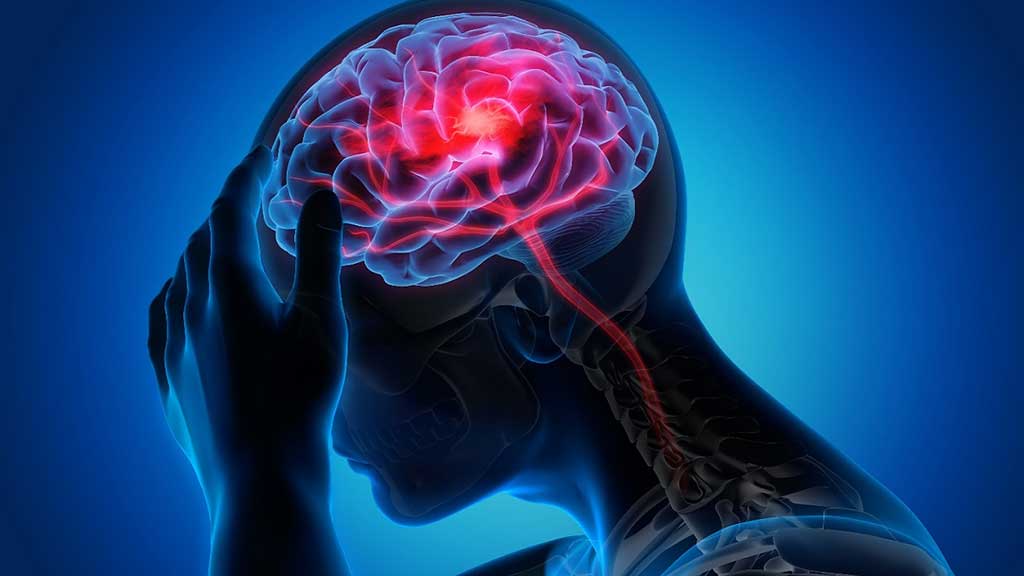
A seizure occurring for the first time is always an important medical event.
Symptoms may include:
Loss of consciousness
Muscle stiffening
Rhythmic jerking movements
Staring spells
Confusion after the event
Many different medical conditions can cause seizures, including epilepsy, infections, brain injuries, metabolic disorders, or stroke.
Anyone experiencing a first seizure should receive prompt medical evaluation.
Sudden confusion is never a normal part of aging.
Possible symptoms include:
Difficulty recognizing familiar people
Disorientation
Memory problems
Difficulty concentrating
Unusual behavior
Reduced alertness
These symptoms may result from:
Stroke
Infection
Medication reactions
Low blood sugar
Dehydration
Brain injury
Other neurological conditions
Rapid changes in mental status require urgent assessment.
Depending on the underlying condition, additional symptoms may include:
Persistent numbness
Tremors
Muscle weakness
Difficulty swallowing
Chronic headaches
Persistent dizziness
Memory decline
Changes in personality
While these symptoms are not always emergencies, they should be discussed with a healthcare professional if they persist or worsen.
Neurological symptoms can have many different causes.
Examples include:
Stroke
Migraine
Brain tumors
Multiple sclerosis
Parkinson's disease
Epilepsy
Peripheral neuropathy
Vitamin B12 deficiency
Brain infections
Head injuries
Medication side effects
Low blood sugar
Inner ear disorders
Because the causes are so varied, medical evaluation is essential.
Doctors begin by taking a detailed medical history and performing a neurological examination.
Depending on the symptoms, additional tests may include:
Blood tests
CT scan
MRI
Electroencephalogram (EEG)
Electromyography (EMG)
Nerve conduction studies
Lumbar puncture (in selected situations)
The appropriate tests depend on the suspected cause.
While not every neurological disorder can be prevented, healthy lifestyle choices may help reduce the risk of certain conditions.
High blood pressure is a major risk factor for stroke.
Regular monitoring and appropriate treatment are important.
Regular exercise supports:
Healthy circulation
Brain health
Balance
Mood
Overall well-being
Aim for regular physical activity most days of the week.
A diet rich in:
Fruits
Vegetables
Whole grains
Legumes
Fish
Nuts
Healthy fats
provides nutrients that support overall health.
Smoking damages blood vessels and increases the risk of stroke and other cardiovascular diseases.
Quitting smoking provides health benefits at any age.
Adults generally benefit from 7–9 hours of quality sleep each night.
Sleep supports:
Memory
Learning
Mood
Brain recovery
Managing conditions such as:
Diabetes
High cholesterol
Heart disease
can help reduce the risk of certain neurological complications.
Fact: Most headaches are not caused by serious neurological disease, although sudden severe headaches require immediate evaluation.
Fact: Stroke can occur at any age, although the risk increases with age.
Fact: Numbness has many possible causes, including stroke, vitamin deficiencies, nerve disorders, and diabetes.
Fact: Temporary symptoms may represent a transient ischemic attack (TIA), often called a "mini-stroke," which requires urgent medical assessment because it increases the risk of a future stroke.
Fact: Significant or rapidly progressing memory problems should be evaluated by a healthcare professional.
Call emergency medical services immediately if you or someone else experiences:
Sudden weakness or numbness on one side of the body
Difficulty speaking or understanding speech
Sudden loss of vision
A severe, sudden headache unlike previous headaches
Loss of consciousness
A first-time seizure
Sudden confusion
Difficulty walking or loss of balance that develops suddenly
Prompt treatment can significantly improve outcomes for many neurological emergencies, particularly stroke.

Neurological symptoms can arise from many different conditions, ranging from relatively minor problems to life-threatening medical emergencies. Sudden weakness or numbness, speech difficulties, severe headaches, vision changes, balance problems, new-onset seizures, and sudden confusion are among the most important warning signs that deserve prompt medical evaluation.
While these symptoms do not always indicate a serious brain disorder, they should never be ignored—especially when they appear suddenly or are accompanied by other neurological changes. Early recognition and timely medical care are critical for conditions such as stroke, brain hemorrhage, or severe infections, where every minute counts. Maintaining a healthy lifestyle, controlling chronic medical conditions, and seeking prompt medical attention when symptoms occur remain some of the best ways to protect your long-term brain and nervous system health.
Not Everyone Should Consume Ginger Freely — 5 Health Conditions to Know
🥑 Healthy for Many, But Not for Everyone: 5 Groups Who Should Be Cautious With Avocados
Think all vegetables are safe? These 7 may surprise you.
Is Menopause Starting? 10 Early Signs and Symptoms to Know
What Does Breast Size Really Say About a Woman? Separating Facts From Myths
Dark urine seemed harmless at first, but doctors uncovered a surprise.
Poor sleep hygiene may contribute to eye irritation and discomfort.
Your Liver and Your Diet: 3 Foods to Enjoy in Moderation
Prominent hand veins are common and often linked to normal aging.
A daily banana may offer surprising benefits for adults over sixty.
A simple breakfast habit led to surprising improvements in health.
🔎 Could Your Feet Be Showing Signs of Liver Trouble? Here’s What to Know
🔍 5 Subtle Signs of Cervical Can.cer You Should Never Brush Off
😱 If Your Mouth Is Always Dry When You Wake Up, These 8 Causes May Surprise You
🔥 Stop and Think Before Eating These 6 Foods — Your Thyroid May Thank You!
👀 Your Body Could Be Crying Out for Magnesium — 32 Signs You Should Know
🤯 These Tiny Buttons Can Do WAY More Than You Think — 6 Phone Tricks Revealed!
Belly Fat vs. Liver-Related Abdominal Swelling: What’s the Difference?
Skip the Expensive Salmon: This Affordable Fish Offers Plenty of Protein for Less
7 Water-Drinking Habits You Might Have Every Day Without Realizing Their Potential Risks
Not Everyone Should Consume Ginger Freely — 5 Health Conditions to Know
🥑 Healthy for Many, But Not for Everyone: 5 Groups Who Should Be Cautious With Avocados
Think all vegetables are safe? These 7 may surprise you.
My father disappeared for 10 years and walked into my wedding when I had already given up waiting.
The Violinist They Laughed At
Is Menopause Starting? 10 Early Signs and Symptoms to Know
What Does Breast Size Really Say About a Woman? Separating Facts From Myths
Dark urine seemed harmless at first, but doctors uncovered a surprise.
After 27 years of always turning back for her husband and family, Rebecca Mercer finally chose to walk away—leaving behind a secret that could bring the entire Northstar empire crashing down. 2. While Grant and his mistress scramble to sav
Poor sleep hygiene may contribute to eye irritation and discomfort.
Your Liver and Your Diet: 3 Foods to Enjoy in Moderation
Prominent hand veins are common and often linked to normal aging.
A daily banana may offer surprising benefits for adults over sixty.
A simple breakfast habit led to surprising improvements in health.