When most people think about stroke, they usually associate it with older adults. However, although less common, strokes can also occur in infants, children, and teenagers. Because many parents and even some caregivers do not expect a stroke to happen in a child, the warning signs can sometimes be overlooked or mistaken for other medical conditions.
Medical experts emphasize that early recognition is extremely important. The sooner a child receives appropriate medical attention, the better the chances of reducing complications and improving recovery outcomes.
Understanding the warning signs of stroke in children may help parents respond quickly in an emergency.
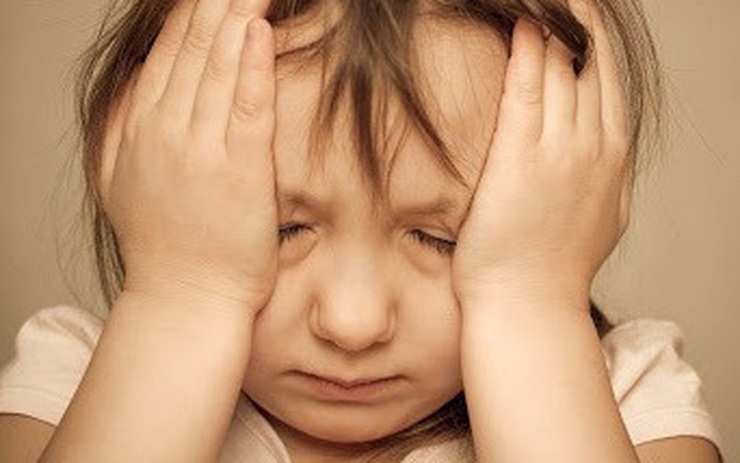
Can Children Really Have a Stroke?
Yes.
Although stroke is far more common in adults, it can occur at any age.
A stroke happens when blood flow to part of the brain is interrupted or when bleeding occurs within the brain. Without adequate blood supply, brain cells can begin to die within minutes.
Types of Stroke in Children
There are two main types:
Ischemic Stroke
This occurs when a blood vessel supplying the brain becomes blocked.
Hemorrhagic Stroke
This occurs when a blood vessel ruptures and causes bleeding in the brain.
Both types require immediate medical attention.
Why Childhood Stroke Is Often Missed
Many symptoms of stroke in children can resemble other conditions.
For example, symptoms may be mistaken for:
-
Migraines
-
Seizures
-
Viral illnesses
-
Fatigue
-
Minor injuries
Because parents rarely expect a stroke, diagnosis can sometimes be delayed.
This is why awareness is so important.
Sign 1: Sudden Weakness or Numbness on One Side of the Body
One of the most common signs of stroke is sudden weakness affecting one side of the body.
What Parents May Notice
A child may:
-
Have difficulty lifting one arm
-
Drag one leg while walking
-
Suddenly lose balance
-
Have weakness on one side of the face
Facial Drooping
Parents may notice:
-
One side of the smile appears uneven
-
Drooping around the mouth
-
Difficulty controlling facial muscles
These symptoms occur because the brain controls movement throughout the body.
When blood flow is interrupted, muscle control may suddenly be affected.
Why Immediate Action Matters
Even temporary weakness should be taken seriously because some symptoms may improve before worsening again.
Sign 2: Difficulty Speaking or Understanding Language
Stroke can affect areas of the brain responsible for communication.
Possible Symptoms
A child may:
-
Suddenly slur words
-
Have difficulty forming sentences
-
Struggle to find familiar words
-
Appear confused when spoken to
In Younger Children
The signs may be less obvious.
Parents might notice:
Why It Happens
Language processing depends on specific regions of the brain.
Reduced blood flow can temporarily or permanently affect these areas.
Sign 3: Sudden Vision Problems
Vision changes can sometimes be an important warning sign.
Symptoms May Include
What Younger Children Might Do
Children may:
-
Rub their eyes repeatedly
-
Turn their head unusually
-
Bump into objects
-
Seem frightened or confused
Because young children may struggle to describe visual symptoms, parents should pay attention to unusual behavior.
Sign 4: Severe Sudden Headache, Dizziness, or Loss of Balance
A sudden and unusually severe headache should never be ignored.
Possible Symptoms
-
Intense headache
-
Dizziness
-
Difficulty walking
-
Loss of coordination
-
Sudden falls
Additional Warning Signs
Some children may also experience:
-
Nausea
-
Vomiting
-
Extreme lethargy
-
Difficulty staying awake
Why This Can Occur
Certain strokes, particularly hemorrhagic strokes, may cause abrupt increases in pressure within the brain.
This can lead to severe headaches and neurological symptoms.
The FAST Method: A Useful Tool for Parents
Healthcare organizations often promote the FAST method for recognizing stroke symptoms.
F – Face
Ask the child to smile.
Does one side of the face droop?
A – Arms
Ask the child to raise both arms.
Does one arm drift downward?
S – Speech
Listen for:
-
Slurred speech
-
Confusion
-
Difficulty speaking
T – Time
If any symptoms are present, seek emergency medical care immediately.
Time is critical.
Additional Symptoms That May Occur
Not every child experiences the same symptoms.
Other warning signs can include:
Seizures
Some childhood strokes may present with seizures, especially in younger children.
Sudden Behavioral Changes
Parents may notice:
-
Confusion
-
Irritability
-
Extreme fatigue
Difficulty Swallowing
Problems swallowing may occur when certain brain regions are affected.
Sudden Loss of Coordination
Children may suddenly appear clumsy or unable to perform normal activities.
Risk Factors for Childhood Stroke
Many childhood strokes occur without obvious warning.
However, certain conditions may increase risk.
Examples Include
Having a risk factor does not mean a child will experience a stroke, but awareness can help support early detection.
What Should Parents Do If They Suspect a Stroke?
The most important step is seeking emergency medical care immediately.
Do Not Wait
Parents should not assume symptoms will disappear on their own.
Do Not Drive Long Distances if Emergency Services Are Available
Emergency medical teams can begin evaluation and treatment during transport.
Note the Time Symptoms Began
Doctors often need to know when symptoms first appeared.
This information can affect treatment decisions.
How Is Stroke Diagnosed in Children?
Doctors may use several tests.
Brain Imaging
Common imaging studies include:
Blood Tests
These may help identify underlying causes.
Heart Evaluation
Some children may undergo heart testing if doctors suspect a cardiac cause.
Can Children Recover From Stroke?
Many children recover remarkably well, particularly when treatment begins quickly.
Factors Influencing Recovery
Recovery depends on:
-
Stroke type
-
Severity
-
Brain area affected
-
Speed of treatment
-
Rehabilitation services
Rehabilitation May Include
-
Physical therapy
-
Occupational therapy
-
Speech therapy
The developing brain often has a greater capacity for adaptation than adult brains.
Common Myths About Childhood Stroke
Myth 1: Children Cannot Have Strokes
False.
Strokes can occur at any age.
Myth 2: Symptoms Always Look Dramatic
Not necessarily.
Some symptoms may be subtle.
Myth 3: If Symptoms Improve, There Is No Need for Medical Care
Even temporary symptoms require evaluation.
Why Early Detection Saves Lives
Every minute matters during a stroke.
Rapid treatment may help:
This is why healthcare professionals stress immediate action whenever stroke symptoms are suspected.

Final Thoughts
Although strokes in children are uncommon, they are medical emergencies that require immediate attention. Sudden weakness on one side of the body, speech difficulties, vision changes, and severe headaches or balance problems are four important warning signs that parents should recognize.
Most childhood illnesses are not strokes, and many symptoms may have harmless explanations. However, when neurological symptoms appear suddenly, it is always safer to seek prompt medical evaluation. Early detection and rapid treatment can make a significant difference in a child's recovery and long-term health.
Knowing the warning signs today could help protect a child tomorrow.