When most people think about stroke, they often picture an older adult. However, stroke can occur at any age, including in teenagers, young adults, and people in their 20s, 30s, and 40s. Although strokes are less common in younger individuals than in older adults, recognizing the warning signs quickly is just as important.
A stroke is a medical emergency that occurs when blood flow to part of the brain is interrupted or when a blood vessel in the brain ruptures. Without enough oxygen and nutrients, brain cells begin to die within minutes. Prompt treatment can improve the chances of recovery and reduce the risk of long-term disability.
Because younger people may not expect a stroke, symptoms can sometimes be overlooked or mistaken for less serious conditions such as migraines, fatigue, or anxiety. Knowing the warning signs can help you respond quickly if they occur.
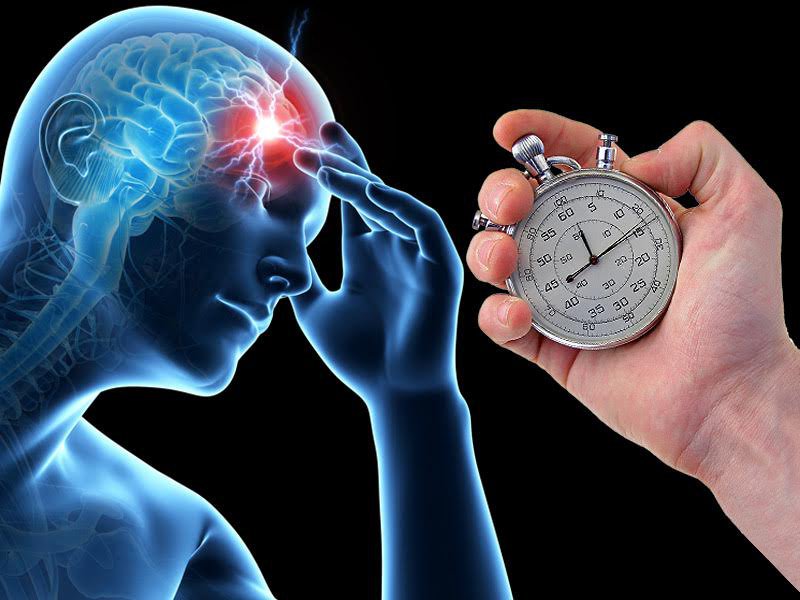
What Is a Stroke?
There are two main types of stroke:
Ischemic Stroke
This is the most common type and occurs when a blood clot blocks blood flow to part of the brain.
Hemorrhagic Stroke
This type occurs when a blood vessel in the brain ruptures, causing bleeding into or around the brain.
A related condition called a transient ischemic attack (TIA), often referred to as a "mini-stroke," causes temporary stroke-like symptoms. Even though symptoms may resolve quickly, a TIA is also a medical emergency because it can be a warning sign of a future stroke.
1. Sudden Weakness or Numbness on One Side of the Body
One of the hallmark symptoms of stroke is sudden weakness or numbness affecting:
-
The face
-
An arm
-
A leg
The symptoms usually occur on one side of the body.
A person may suddenly find it difficult to:
-
Raise one arm
-
Grip objects
-
Walk normally
-
Smile evenly
Facial drooping is a common early sign.
2. Difficulty Speaking or Understanding Speech
A stroke can affect the parts of the brain responsible for language.
Warning signs include:
-
Slurred speech
-
Difficulty finding words
-
Speaking nonsensically
-
Trouble understanding what others are saying
If someone suddenly becomes confused or cannot communicate normally, seek emergency medical care immediately.
3. Sudden Vision Changes
A stroke can interfere with the brain's visual processing centers.
Possible symptoms include:
-
Blurred vision
-
Double vision
-
Partial vision loss
-
Sudden blindness in one eye
-
Difficulty seeing on one side
Any sudden, unexplained change in vision requires prompt medical evaluation.
4. Severe, Sudden Headache
A sudden, extremely severe headache—especially if it is unlike any headache experienced before—may be a symptom of a hemorrhagic stroke.
The headache may occur together with:
-
Vomiting
-
Neck stiffness
-
Confusion
-
Loss of consciousness
While many headaches are not caused by stroke, a sudden "worst headache of your life" should never be ignored.
5. Dizziness, Loss of Balance, or Difficulty Walking
Stroke may affect the parts of the brain responsible for coordination and balance.
Symptoms can include:
-
Sudden dizziness
-
Difficulty walking
-
Loss of coordination
-
Frequent stumbling
-
Trouble standing upright
These symptoms are especially concerning when they appear suddenly and are accompanied by other neurological signs.

6. Sudden Confusion
Some people experience abrupt mental changes, including:
-
Confusion
-
Difficulty concentrating
-
Memory problems
-
Trouble following simple instructions
Because confusion has many possible causes, it is important not to dismiss sudden neurological symptoms, particularly if they develop quickly.
7. Facial Drooping
Ask the person to smile.
If one side of the face appears to droop or does not move normally, this could indicate a stroke.
Facial weakness is one of the easiest symptoms to recognize and is included in many public stroke awareness campaigns.
8. Sudden Difficulty Swallowing
Some strokes affect muscles involved in swallowing.
Signs may include:
-
Choking while drinking
-
Trouble swallowing food
-
Coughing during meals
-
A sensation that food is "stuck"
Difficulty swallowing after a suspected stroke increases the risk of aspiration and should be evaluated promptly.
Remember the FAST Warning Signs
A simple way to recognize stroke is the FAST acronym:
F – Face Drooping
Ask the person to smile. Does one side of the face droop?
A – Arm Weakness
Ask them to raise both arms. Does one arm drift downward?
S – Speech Difficulty
Is speech slurred, strange, or difficult to understand?
T – Time to Call Emergency Services
If you notice any of these signs, seek emergency medical help immediately.
Do not wait to see whether symptoms improve on their own.
Why Stroke Can Occur in Younger People
Although aging is a major risk factor, strokes in younger adults can occur for many reasons.
Risk factors may include:
-
High blood pressure
-
Smoking
-
Diabetes
-
High cholesterol
-
Obesity
-
Physical inactivity
-
Certain heart conditions
-
Blood clotting disorders
-
Migraine with aura (in some individuals)
-
Pregnancy and the postpartum period
-
Use of certain recreational drugs
-
Excessive alcohol use
In some cases, no clear cause is identified.
When Every Minute Matters
Brain cells begin to die soon after blood flow is interrupted.
Prompt treatment may:
-
Reduce brain damage
-
Improve recovery
-
Lower the risk of permanent disability
-
Increase treatment options
Never drive yourself or another person to the hospital if stroke is suspected unless emergency medical services are unavailable. Calling emergency services allows medical care to begin as quickly as possible.
Can Stroke Be Prevented?
While not every stroke can be prevented, many risk factors are manageable.
Healthy habits include:
-
Controlling blood pressure
-
Managing diabetes
-
Maintaining healthy cholesterol levels
-
Not smoking
-
Exercising regularly
-
Eating a balanced diet rich in fruits, vegetables, whole grains, and lean proteins
-
Maintaining a healthy weight
-
Limiting alcohol intake
-
Following prescribed treatment for underlying medical conditions
Regular medical checkups are also important, particularly for people with known cardiovascular risk factors.
Common Myths About Stroke in Young People
Myth: Young people cannot have strokes.
Fact: Although strokes are more common in older adults, they can occur at any age, including in children and young adults.
Myth: Stroke symptoms always cause severe pain.
Fact: Many strokes are painless. Sudden weakness, numbness, speech difficulty, or vision changes may occur without pain.
Myth: If symptoms go away, there is nothing to worry about.
Fact: Temporary symptoms may indicate a transient ischemic attack (TIA), which requires urgent medical evaluation because it can be a warning sign of a future stroke.
Myth: It's okay to wait and see if symptoms improve.
Fact: Stroke is a medical emergency. Immediate medical attention offers the best chance of reducing brain injury and improving outcomes.
The Bottom Line
Stroke is not limited to older adults—it can affect younger people as well. Knowing the warning signs, including sudden weakness on one side of the body, facial drooping, speech difficulty, vision changes, severe headache, dizziness, confusion, and difficulty swallowing, can help you recognize a potential stroke and seek medical care without delay.
If you or someone nearby develops symptoms that could indicate a stroke, remember FAST and call emergency services immediately. Rapid evaluation and treatment can make a critical difference in survival, recovery, and long-term quality of life.