Your kidneys are among the hardest-working organs in your body, yet they often receive very little attention until something goes wrong.
Every day, these two bean-shaped organs filter approximately 50 gallons (about 190 liters) of blood, removing waste products, balancing fluids, regulating electrolytes, helping control blood pressure, supporting red blood cell production, and maintaining healthy bones through vitamin D activation.
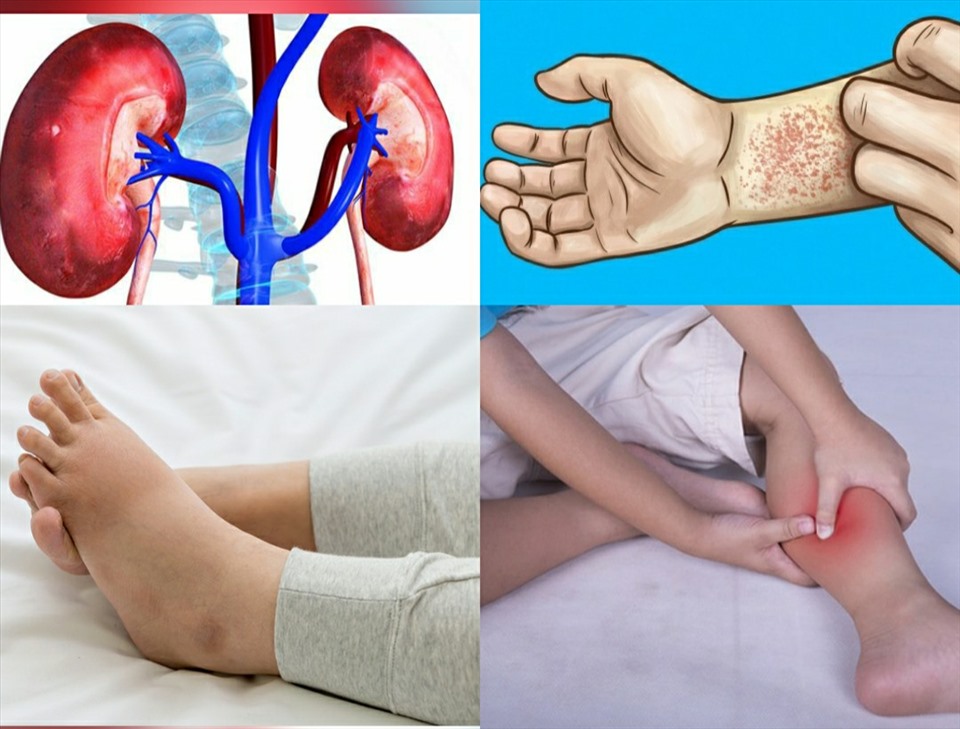
Despite performing these essential tasks around the clock, kidney disease is often called a "silent condition" because it may develop gradually with few or no noticeable symptoms in its early stages.
The good news is that early detection and healthy lifestyle habits can make a significant difference. Recognizing possible warning signs and understanding how to protect your kidneys may help reduce the risk of long-term complications.
Here are some of the early signs of kidney problems and practical ways to support kidney health.
Why Healthy Kidneys Matter
Healthy kidneys perform many vital functions beyond simply producing urine.
They help:
-
Remove waste products from the blood
-
Balance water and electrolytes
-
Regulate blood pressure
-
Maintain healthy acid-base balance
-
Produce hormones involved in red blood cell production
-
Activate vitamin D to support bone health
When kidney function declines, waste products and excess fluid can gradually build up in the body.
Because this process often occurs slowly, symptoms may not appear until kidney function has already been significantly affected.
1. Changes in Urination
One of the earliest clues that something may be affecting the kidneys is a change in urination.
You might notice:
-
Urinating more often than usual
-
Urinating less than usual
-
Waking up frequently at night to urinate
-
Difficulty passing urine
-
Foamy or bubbly urine
-
Blood in the urine
-
Dark-colored urine
It's important to remember that these symptoms can have many causes besides kidney disease, including dehydration, urinary tract infections, prostate enlargement, certain medications, and diabetes.
However, persistent changes should always be discussed with a healthcare professional.
2. Swelling in the Feet, Ankles, or Hands
Healthy kidneys help regulate the body's fluid balance.
When kidney function declines, excess fluid and sodium may accumulate.
This can lead to swelling, particularly in:
-
Feet
-
Ankles
-
Lower legs
-
Hands
-
Around the eyes
Swelling may also result from heart disease, liver disease, certain medications, or problems with circulation.
Regardless of the cause, persistent swelling deserves medical evaluation.
3. Persistent Fatigue
Feeling tired after a busy day is normal.
Constant fatigue that doesn't improve with rest is different.
As kidney function declines, several factors may contribute to fatigue.
For example:
-
Waste products can accumulate in the bloodstream.
-
Kidney disease may contribute to anemia by reducing production of erythropoietin, a hormone involved in red blood cell production.
-
Poor sleep and nutritional changes may also play a role.
Fatigue alone doesn't diagnose kidney disease, but when combined with other symptoms, it may warrant further evaluation.
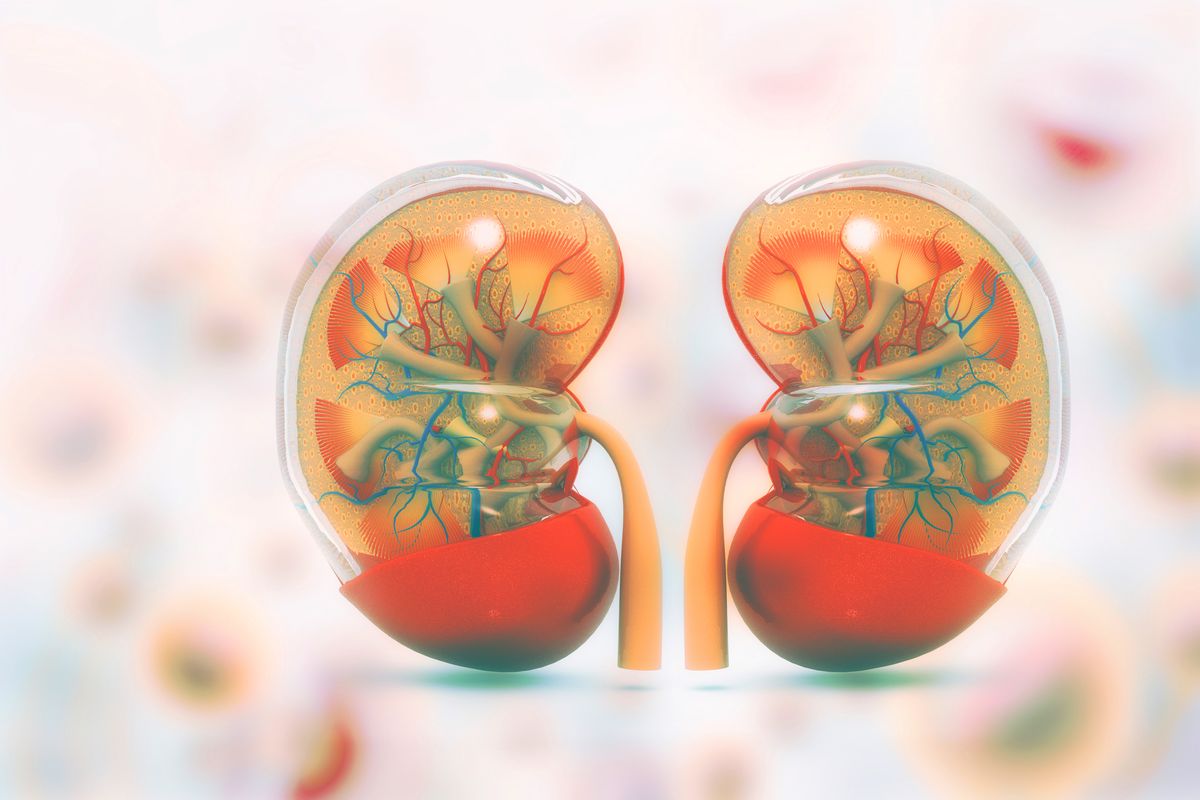
4. Foamy or Bubbly Urine
Occasional bubbles in the toilet are usually nothing to worry about.
However, persistent, unusually foamy urine may sometimes indicate that protein is leaking into the urine.
This condition, known as proteinuria, can occur when the kidneys' filtering units become damaged.
Proteinuria doesn't always cause symptoms, which is why routine urine testing is an important part of preventive healthcare for people at increased risk.
5. Blood in the Urine
Seeing blood in the urine can be alarming.
Possible causes include:
-
Urinary tract infections
-
Kidney stones
-
Kidney disease
-
Enlarged prostate
-
Bladder conditions
-
Certain cancers
Blood in the urine should never be ignored, even if it occurs only once.
Medical evaluation is necessary to determine the underlying cause.
6. High Blood Pressure
Many people think high blood pressure causes kidney disease.
That's true—but the relationship goes both ways.
High blood pressure can damage the kidneys over time.
At the same time, kidney disease can contribute to elevated blood pressure.
This creates a cycle in which each condition may worsen the other.
Routine blood pressure monitoring is therefore one of the simplest ways to protect both heart and kidney health.
7. Persistent Itching
The kidneys help remove waste products from the bloodstream.
In advanced kidney disease, waste products can build up, sometimes contributing to persistent itching.
However, itching has many more common causes, including:
-
Dry skin
-
Allergies
-
Eczema
-
Liver disease
-
Medication reactions
Persistent itching alone is not enough to diagnose kidney disease, but it may be one piece of a larger clinical picture.
8. Loss of Appetite or Nausea
As kidney function declines, waste products can accumulate in the blood.
Some people develop:
-
Reduced appetite
-
Nausea
-
Vomiting
-
Metallic taste in the mouth
-
Unintentional weight loss
These symptoms usually appear in more advanced disease rather than the earliest stages.
Many other gastrointestinal conditions can produce similar symptoms.
9. Muscle Cramps
Healthy kidneys help regulate electrolytes such as sodium, potassium, calcium, and phosphorus.
When these balances are disrupted, muscle cramps may occur.
Of course, cramps can also result from dehydration, vigorous exercise, certain medications, or mineral deficiencies.
Persistent or unexplained muscle cramps should be discussed with a healthcare provider.
10. Difficulty Concentrating
People with significant kidney dysfunction sometimes report:
-
Difficulty concentrating
-
Mental fog
-
Reduced alertness
Several factors may contribute, including anemia, poor sleep, metabolic changes, and the buildup of waste products.
Again, these symptoms are not specific to kidney disease but may occur alongside other warning signs.
Who Is Most at Risk?
Anyone can develop kidney disease, but certain people have a higher risk.
Major risk factors include:
-
Diabetes
-
High blood pressure
-
Heart disease
-
Obesity
-
Family history of kidney disease
-
Older age
-
Smoking
-
Long-term use of certain medications, including frequent use of some pain relievers
People with these risk factors often benefit from regular kidney function testing.
How Doctors Check Kidney Health
Kidney disease often develops silently, which is why laboratory testing is so important.
Common tests include:
Blood Tests
A blood test measuring creatinine helps estimate the estimated glomerular filtration rate (eGFR), an important indicator of kidney function.
Urine Tests
Urine testing can detect:
-
Protein
-
Blood
-
Signs of infection
-
Other abnormalities
Blood Pressure Measurement
Because hypertension and kidney disease are closely linked, regular blood pressure monitoring is essential.
7 Simple Habits That Support Kidney Health
Fortunately, many healthy habits support both kidney health and overall well-being.
1. Stay Well Hydrated
Water helps the kidneys perform their normal filtering functions.
Most healthy people can simply drink according to thirst, although fluid needs vary depending on climate, activity, medications, and medical conditions.
People with certain heart or kidney diseases may receive individualized fluid recommendations from their healthcare provider.
2. Control Blood Pressure
Keeping blood pressure within your healthcare provider's recommended range is one of the most effective ways to protect the kidneys.
This may involve:
-
Reducing sodium intake
-
Regular exercise
-
Weight management
-
Medication when prescribed
3. Manage Diabetes Carefully
Diabetes remains one of the leading causes of chronic kidney disease.
Good blood glucose management can help reduce long-term damage to the kidneys.
Routine medical follow-up is essential.
4. Eat a Balanced Diet
A kidney-friendly eating pattern generally emphasizes:
-
Vegetables
-
Fruits
-
Whole grains
-
Beans
-
Fish
-
Healthy fats
-
Moderate sodium intake
People with advanced kidney disease may require individualized dietary advice regarding potassium, phosphorus, and protein.
Always follow your healthcare provider's recommendations.
5. Avoid Smoking
Smoking damages blood vessels throughout the body, including those supplying the kidneys.
Quitting smoking benefits nearly every organ system.
6. Use Medications Wisely
Some over-the-counter pain relievers—particularly nonsteroidal anti-inflammatory drugs (NSAIDs) such as ibuprofen and naproxen—can affect kidney function, especially when taken frequently or in high doses.
Always follow dosing instructions and speak with your healthcare provider if you need long-term pain management.
7. Get Regular Checkups
Routine medical care is particularly important if you have:
-
Diabetes
-
High blood pressure
-
Heart disease
-
A family history of kidney disease
Early detection allows treatment before significant damage occurs.
Can Kidney Disease Be Prevented?
Not every case can be prevented.
Some kidney diseases result from inherited conditions, autoimmune disorders, or structural abnormalities.
However, many cases related to diabetes, hypertension, and lifestyle factors may be delayed or slowed through healthy habits and appropriate medical care.
Early diagnosis remains one of the most powerful tools available.
When Should You See a Doctor?
Seek medical evaluation if you experience:
-
Blood in the urine
-
Persistent swelling
-
Significant changes in urination
-
Severe fatigue
-
Persistent nausea
-
High blood pressure
-
Ongoing flank pain
-
Foamy urine that doesn't improve
Seek urgent medical attention if you develop severe symptoms such as inability to urinate, severe swelling, confusion, chest pain, or difficulty breathing.
Common Myths About Kidney Health
Myth: If my kidneys are failing, I'll definitely feel it early.
Not necessarily.
Kidney disease often causes few symptoms in its early stages.
Myth: Drinking huge amounts of water will "clean" the kidneys.
Healthy hydration supports kidney function, but excessive water intake does not "flush toxins" or cure kidney disease.
Myth: Herbal detox drinks protect the kidneys.
Many detox products lack strong scientific evidence, and some herbal supplements may even harm the kidneys or interact with medications.
Always discuss supplements with your healthcare provider.
The Bottom Line
Your kidneys quietly perform essential work every day, filtering blood, balancing fluids, regulating blood pressure, and supporting many other vital functions.
Because kidney disease often develops without obvious symptoms, paying attention to changes such as unusual urination, swelling, persistent fatigue, foamy urine, or blood in the urine—and seeking medical evaluation when needed—can make an important difference.
The most effective way to support kidney health is not through miracle cleanses or detox products.
Instead, focus on the habits that have consistently been shown to protect the kidneys: managing blood pressure and diabetes, staying hydrated, eating a balanced diet, avoiding tobacco, using medications responsibly, and attending regular health checkups.
Small, consistent choices made over time can help your kidneys continue doing their remarkable work for years to come.