Lung cancer remains one of the most common cancers worldwide and is a leading cause of cancer-related deaths. One of the biggest challenges is that early-stage lung cancer often causes few or no symptoms, allowing the disease to progress before it is detected.
However, some people do develop warning signs that deserve medical attention. It's important to remember that these symptoms are not specific to lung cancer. Many can also be caused by infections, asthma, chronic obstructive pulmonary disease (COPD), acid reflux, or other non-cancerous conditions.
Even so, persistent or unexplained symptoms should never be ignored, especially if you have risk factors such as smoking, long-term exposure to secondhand smoke, radon, asbestos, or a family history of lung cancer.
Here are 9 possible early symptoms of lung cancer that are worth discussing with your healthcare provider.
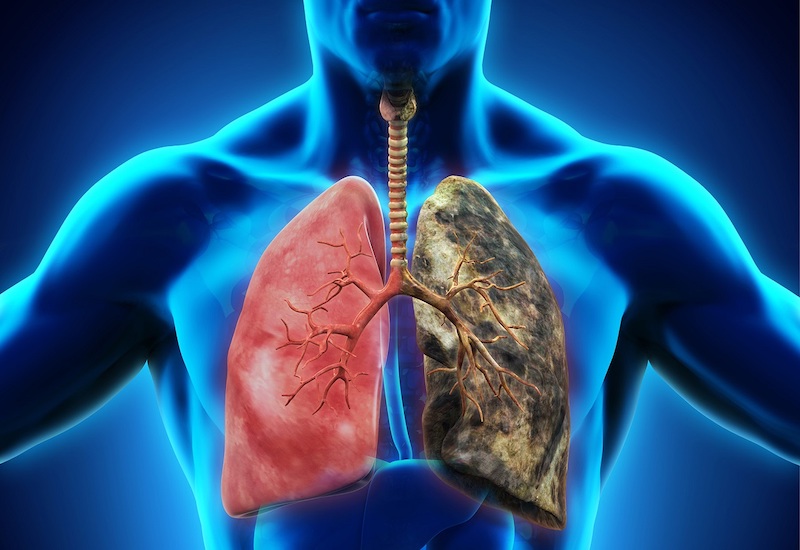
Why Early Detection Matters
When lung cancer is found at an earlier stage, treatment options are often more effective.
Depending on the type and stage of cancer, treatment may include:
-
Surgery
-
Radiation therapy
-
Chemotherapy
-
Targeted therapy
-
Immunotherapy
-
A combination of treatments
Early diagnosis does not guarantee a cure, but it can significantly improve the chances of successful treatment.
1. A Persistent Cough That Doesn't Go Away
One of the most common early symptoms is a cough that lasts for several weeks.
You should consider seeing a healthcare provider if you have:
-
A cough lasting longer than three weeks
-
A cough that continues to worsen
-
A cough that keeps returning
-
A change in a long-standing smoker's cough
Most persistent coughs are not caused by lung cancer, but they should still be evaluated to determine the underlying cause.
2. Coughing Up Blood
Even a small amount of blood when coughing should never be ignored.
Blood may appear:
-
Bright red
-
Mixed with mucus
-
Rust-colored
While coughing up blood can result from infections, bronchitis, or other lung conditions, it can also be associated with lung cancer.
Prompt medical evaluation is essential.
3. Shortness of Breath
Feeling unusually breathless during everyday activities may occur if a lung tumor affects airflow or if fluid builds up around the lungs.
You may notice:
-
Difficulty climbing stairs
-
Becoming winded during light exercise
-
Shortness of breath while walking
-
Feeling unable to take a full breath
These symptoms can also occur with asthma, heart disease, COPD, and other conditions.
4. Chest Pain
Chest discomfort related to lung cancer may:
-
Persist over time
-
Become worse with deep breathing
-
Increase when coughing
-
Occasionally spread to the shoulder or back
Chest pain has many possible causes, including muscle strain, heart disease, acid reflux, and lung infections.
Persistent or unexplained chest pain should always be evaluated.
5. Hoarseness or Voice Changes
If a tumor affects nerves involved in controlling the vocal cords, hoarseness may develop.
Voice changes lasting longer than two or three weeks deserve medical attention, particularly if they occur without a recent cold or other obvious explanation.
Persistent hoarseness can also result from:
-
Acid reflux
-
Vocal strain
-
Thyroid disorders
-
Benign vocal cord conditions
6. Recurrent Chest Infections
Repeated episodes of:
-
Bronchitis
-
Pneumonia
-
Chest infections
may occasionally occur if part of the airway becomes blocked.
Although infections are usually caused by bacteria or viruses, recurrent infections in the same area of the lung may require further investigation.
7. Unexplained Weight Loss
Losing weight without intentionally changing your diet or exercise routine can sometimes be an early warning sign of several medical conditions, including cancer.
Unexpected weight loss should be discussed with a healthcare provider, particularly if accompanied by other symptoms such as fatigue or persistent cough.
8. Persistent Fatigue
Feeling tired after a busy day is normal.
However, ongoing fatigue that doesn't improve with rest may sometimes occur in people with chronic illnesses, including cancer.
Fatigue is one of the least specific symptoms because it can also result from:
-
Poor sleep
-
Stress
-
Anemia
-
Thyroid disorders
-
Depression
-
Heart disease
Persistent fatigue deserves evaluation when no obvious explanation is found.
9. Bone Pain or Shoulder Pain
Although bone pain is more commonly associated with advanced disease, persistent shoulder, back, or bone pain without a clear injury should be evaluated.
Pain that:
-
Worsens at night
-
Persists for weeks
-
Doesn't improve with usual treatment
may require further investigation.
Remember that muscle strain and arthritis are much more common causes.
Who Is at Higher Risk of Lung Cancer?
Anyone can develop lung cancer, but certain factors increase the risk.
These include:
Smoking
Cigarette smoking remains the leading risk factor.
The risk generally increases with:
-
Number of cigarettes smoked
-
Number of years smoked
However, lung cancer can also occur in people who have never smoked.
Secondhand Smoke
Long-term exposure to tobacco smoke from others also increases risk.
Radon Gas
Radon is a naturally occurring radioactive gas that can accumulate inside buildings.
Long-term exposure is a recognized cause of lung cancer.
Testing homes for radon is recommended in areas where levels are known to be elevated.
Occupational Exposures
Some workplace exposures increase lung cancer risk, including:
-
Asbestos
-
Silica
-
Diesel exhaust
-
Certain industrial chemicals
Using appropriate protective equipment is important in high-risk occupations.
Family History
Having a close relative with lung cancer may modestly increase your own risk.
How Is Lung Cancer Diagnosed?
If symptoms or risk factors raise concern, your healthcare provider may recommend:
Medical History and Physical Examination
Including questions about:
-
Smoking history
-
Occupational exposures
-
Symptoms
-
Family history
Chest Imaging
This may include:
-
Chest X-ray
-
CT scan
Low-dose CT screening is recommended for certain high-risk individuals based on age and smoking history.
Sputum Testing
In selected cases, mucus coughed up from the lungs may be examined for abnormal cells.
Bronchoscopy
A thin, flexible camera may be used to examine the airways and collect tissue samples.
Biopsy
If imaging identifies a suspicious area, a tissue sample is often needed to confirm the diagnosis.
Can Lung Cancer Be Prevented?
Not every case can be prevented.
However, several steps may help reduce risk.
Don't Smoke
If you don't smoke, don't start.
If you do smoke, quitting is one of the most important steps you can take for your health.
The benefits begin almost immediately and continue to increase over time.
Avoid Secondhand Smoke
Whenever possible, reduce exposure to tobacco smoke.
Test for Radon
In areas where radon is common, home testing may help identify elevated levels.
Follow Workplace Safety Guidelines
Use recommended protective equipment when working around hazardous dusts or chemicals.
Maintain a Healthy Lifestyle
Although no diet prevents lung cancer, overall health benefits from:
-
Eating plenty of fruits and vegetables
-
Regular physical activity
-
Maintaining a healthy weight
-
Limiting alcohol
-
Getting enough sleep
Who Should Consider Lung Cancer Screening?
Some people with a high risk of lung cancer may benefit from annual low-dose CT screening.
Guidelines vary slightly by country, but screening is generally recommended for certain adults based on:
-
Age
-
Smoking history
-
Current smoking status or years since quitting
Screening is not recommended for everyone.
Talk with your healthcare provider about whether you qualify.
Common Myths About Lung Cancer
Myth: Only smokers get lung cancer.
False.
Although smoking is the leading risk factor, people who have never smoked can also develop lung cancer.
Myth: If I don't have chest pain, I don't have lung cancer.
False.
Early lung cancer often causes no symptoms at all.
Myth: A persistent cough is always just a cold.
Most long-lasting coughs are not caused by lung cancer, but any cough lasting several weeks should be evaluated.
Myth: Healthy eating alone prevents lung cancer.
A balanced diet supports overall health, but it cannot eliminate lung cancer risk.
Avoiding tobacco remains the most effective preventive measure.
When Should You Seek Medical Attention?
Make an appointment with your healthcare provider if you experience:
-
A cough lasting more than three weeks
-
Coughing up blood
-
Persistent hoarseness
-
Unexplained weight loss
-
Ongoing chest pain
-
Recurrent lung infections
-
Persistent shortness of breath
-
Symptoms that continue to worsen
Seek emergency medical care if you experience severe difficulty breathing, significant coughing up of blood, or severe chest pain.
The Bottom Line
Lung cancer often develops silently, but persistent symptoms such as a long-lasting cough, coughing up blood, shortness of breath, chest pain, hoarseness, recurrent chest infections, unexplained weight loss, fatigue, or persistent bone pain should never be ignored.
These symptoms do not necessarily mean you have lung cancer, as they can be caused by many other medical conditions. However, early medical evaluation is the best way to determine the cause and, if necessary, begin treatment as early as possible.
If you have significant risk factors - especially a history of smoking or long-term exposure to secondhand smoke, radon, or occupational hazards talk with your healthcare provider about your personal risk and whether lung cancer screening may be appropriate.
Recognizing symptoms early, avoiding tobacco, attending recommended screenings, and seeking prompt medical care when something doesn't feel right are among the most important steps you can take to protect your lung health.