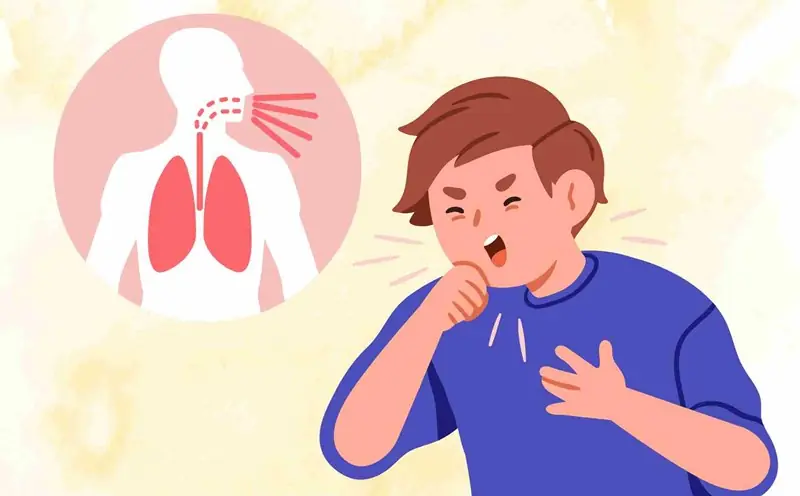
Your Body May Be Sending These 8 Low Blood Oxygen Warning Signals
8 Symptoms That Could Signal Your Blood Oxygen Is Too Low
Health 06/07/2026 11:05
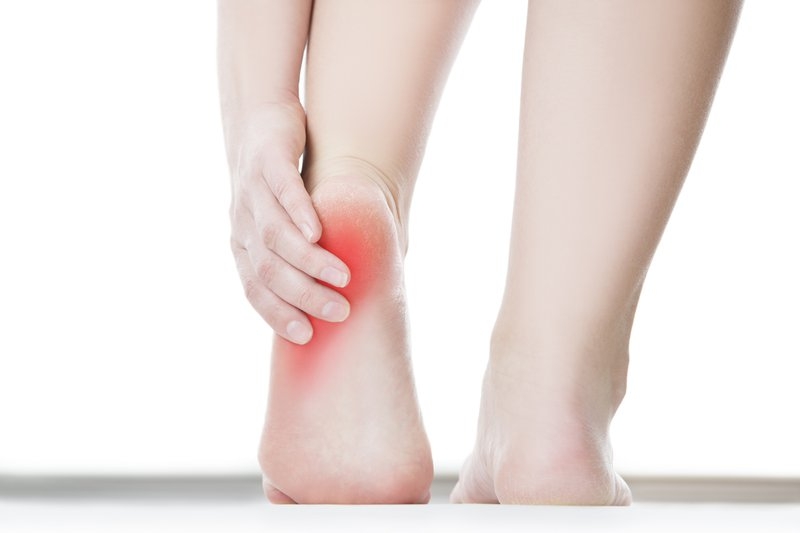
Nerve pain in the feet, toes, and legs can range from a mild tingling sensation to sharp, burning discomfort that interferes with walking, sleeping, and daily activities. Unlike muscle soreness or joint pain, nerve pain often feels like pins and needles, electric shocks, numbness, or an unexplained burning sensation.
Many different conditions can affect the nerves in the lower body, including diabetes, vitamin deficiencies, injuries, poor circulation, and prolonged pressure on the nerves. While proper medical treatment is essential for persistent or severe symptoms, several simple strategies may help reduce discomfort and support healthier nerves.

Nerve pain does not always feel the same from person to person. Common symptoms include:
If these symptoms last for more than a few days, become more severe, or interfere with daily life, it's important to seek medical evaluation.
Several health conditions can damage or irritate nerves.
One of the most common causes is diabetic neuropathy. High blood sugar over time can damage small nerves, especially in the feet.
Low levels of vitamin B12, vitamin B6, or other essential nutrients may contribute to nerve dysfunction.
Accidents, fractures, sports injuries, or repetitive strain can compress or damage nerves.
Reduced blood flow may limit oxygen and nutrients reaching the nerves.
A compressed nerve in the lower back may cause pain that radiates into the legs and feet.
Some chemotherapy drugs and other medications may have nerve-related side effects.
Conditions affecting the immune system can sometimes attack peripheral nerves.
Although treatment depends on the underlying cause, these approaches may help relieve symptoms.
Gentle exercise improves circulation and helps nourish nerves.
Good options include:
Avoid activities that worsen the pain.
Tight muscles may increase pressure on nearby nerves.
Simple stretches for the calves, hamstrings, ankles, and feet may improve flexibility and reduce discomfort.
Stretch slowly without bouncing and stop if pain becomes severe.
For people with diabetes, keeping blood sugar within the target range is one of the most effective ways to slow nerve damage.
Follow your healthcare provider's recommendations regarding:
Healthy nerves require proper nutrition.
Focus on foods rich in:
Include plenty of vegetables, fruits, lean proteins, whole grains, nuts, seeds, and fish.
Even mild dehydration may contribute to muscle cramps and discomfort.
Drink enough water throughout the day unless your healthcare provider advises otherwise.
Proper footwear reduces pressure on nerves.
Look for shoes that provide:
Avoid shoes that are too tight or have very high heels.
People with reduced sensation may not notice small cuts or blisters.
Inspect your feet every day for:
Early treatment can prevent complications.
Some people find relief with:
Protect your skin by wrapping hot or cold packs in a towel and limiting application to about 15–20 minutes.
Nerve pain often becomes worse at night.
Good sleep habits may include:
Quality sleep helps the body recover and may reduce pain sensitivity.
Stress can make pain feel more intense.
Helpful stress-management techniques include:
If home care is not enough, a healthcare provider may recommend additional treatment.
Depending on the cause, options may include:
Treatment should always address the underlying condition rather than simply masking symptoms.
Seek medical attention if nerve pain:
Prompt evaluation can help prevent permanent nerve damage.
While not every case can be prevented, healthy habits can lower the risk.
These include:
:format(webp)/776_dau_ban_chan_8887_624a_large_03d655689f.jpg)
Nerve pain in the feet, toes, and legs can have many different causes, but it should never be ignored—especially if it is persistent, worsening, or accompanied by weakness or numbness. Lifestyle measures such as regular exercise, a nutritious diet, supportive footwear, stress management, and proper control of underlying health conditions may help ease symptoms and support long-term nerve health.
If your symptoms continue despite self-care or begin affecting your mobility and quality of life, consult a healthcare professional. Early diagnosis and appropriate treatment offer the best chance of reducing pain and preventing further nerve damage.
8 Symptoms That Could Signal Your Blood Oxygen Is Too Low
She Never Expected a Sore Throat to Lead Here—Doctors Reveal 2 Foods They Recommend Cutting Back On

If You Think Salmon Is the “King of DHA”, Think Again — This Fish Is the Real Champion

What to Eat During Cold and Flu Season: 6 Foods That May Help
Shoulder Symptoms May Be an Early Warning Sign of Liver Cancer — What You Need to Know
Eating Avocados Every Day? Here's What Doctors Say Could Happen 👇
👀 These 5 Warning Signs Could Mean Kidney Stones Are Developing

Doctors Explain the Health Effects of Ginger That Many People Don't Know 👇

The Hidden Benefits—and Possible Risks—of Ginger, According to Doctors 👇

😲 Before You Eat Sweet Potatoes Again, Read These 10 Eye-Opening Facts
The Hidden Meaning Behind Lines and Ridges on Your Nails

This Common Shower Habit May Not Be as Harmless as It Seems
7 Arthritis Symptoms That Often Start as "Just Joint Pain"
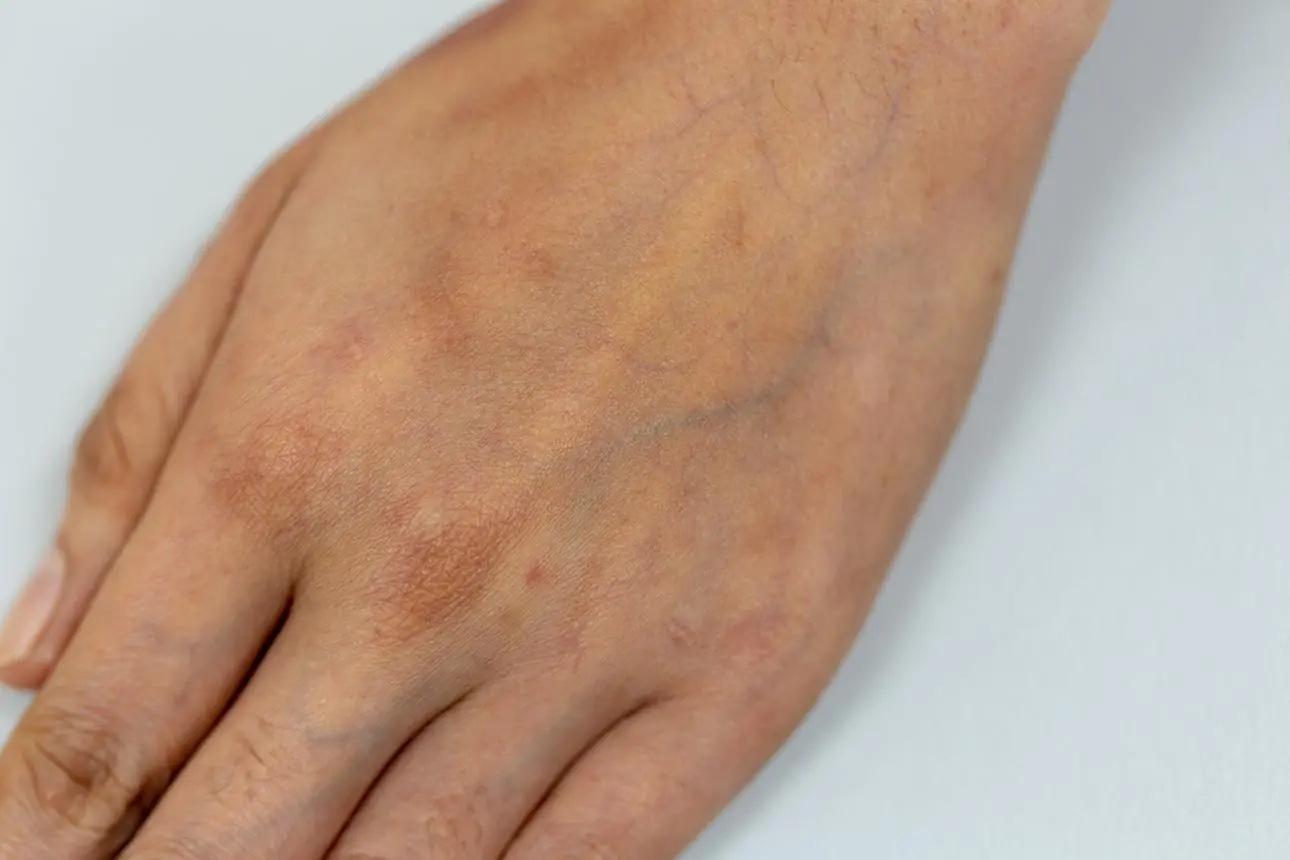
Visible hand veins may be harmless—or a clue to changes in your body.

Frequent drooling during sleep may signal hidden health issues worth checking.

A sagging neck may reflect natural aging, lifestyle habits, and skin changes.

Protect your kidneys before it's too late—recognize these hidden red flags.

The Breakfast Combo Nutrition Experts Love: Eggs and Sweet Potatoes 🍳🍠

🥜 The Hidden Truth About Cashews That Most People Never Hear About
8 Symptoms That Could Signal Your Blood Oxygen Is Too Low

Dogs Use Their Sense of Smell to Learn About You - Here's How
She Never Expected a Sore Throat to Lead Here—Doctors Reveal 2 Foods They Recommend Cutting Back On
If You Think Salmon Is the “King of DHA”, Think Again — This Fish Is the Real Champion
What to Eat During Cold and Flu Season: 6 Foods That May Help
Shoulder Symptoms May Be an Early Warning Sign of Liver Cancer — What You Need to Know
Eating Avocados Every Day? Here's What Doctors Say Could Happen 👇
👀 These 5 Warning Signs Could Mean Kidney Stones Are Developing
Doctors Explain the Health Effects of Ginger That Many People Don't Know 👇
The Hidden Benefits—and Possible Risks—of Ginger, According to Doctors 👇
😲 Before You Eat Sweet Potatoes Again, Read These 10 Eye-Opening Facts
The Hidden Meaning Behind Lines and Ridges on Your Nails
This Common Shower Habit May Not Be as Harmless as It Seems
7 Arthritis Symptoms That Often Start as "Just Joint Pain"
Visible hand veins may be harmless—or a clue to changes in your body.
Frequent drooling during sleep may signal hidden health issues worth checking.
A sagging neck may reflect natural aging, lifestyle habits, and skin changes.
Protect your kidneys before it's too late—recognize these hidden red flags.
The Breakfast Combo Nutrition Experts Love: Eggs and Sweet Potatoes 🍳🍠