“Remove This From Your Room Immediately… Lung Cancer?” — Let’s Clear This Up
That image is pointing at a Wi-Fi router and trying to link it directly to lung cancer. Short answer: that claim is misleading.
Routers don’t emit the kind of radiation that damages DNA or directly causes cancer. But—there are some legit things about your bedroom environment that can affect sleep and long-term health. Let’s separate facts from clickbait.
📡 What a Wi-Fi Router Actually Emits


6
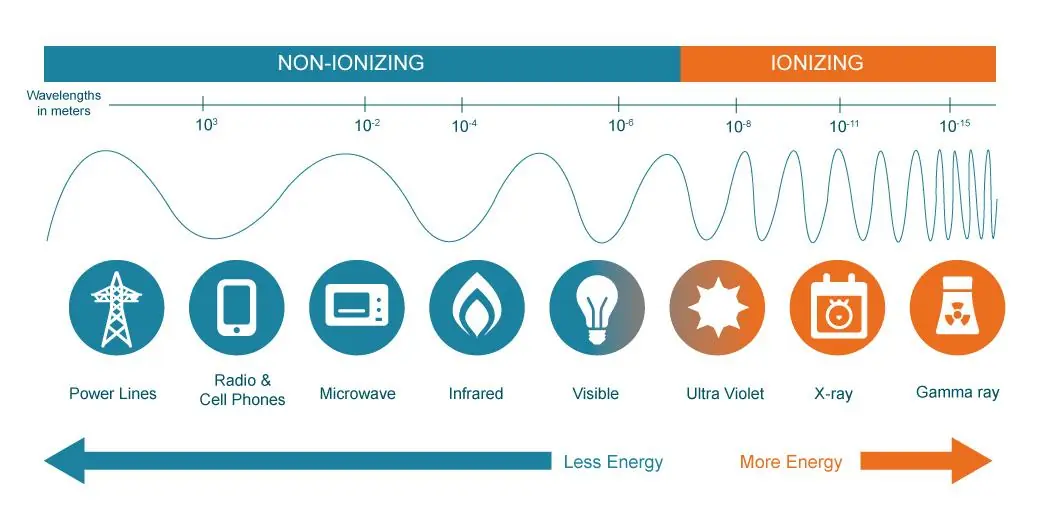
Wi-Fi uses non-ionizing radiation (radiofrequency waves). That means:
- It does NOT have enough energy to damage DNA
- It’s very different from ionizing radiation (like X-rays), which can cause cancer
Major health organizations (WHO, FDA) say:
👉 There’s no consistent evidence that Wi-Fi causes cancer
So no, your router isn’t secretly “giving you lung cancer.”
⚠️ But Should You Keep It Next to Your Bed?
Even if it’s not causing cancer, putting a router right next to your head all night isn’t ideal either.
Why?
- It may disrupt sleep quality (light, signals, habit of checking phone)
- It keeps you mentally “connected” → harder to relax
- Some people are more sensitive to environmental factors
👉 So the issue is more about sleep hygiene, not cancer risk.
🛏️ What Actually Affects Your Bedroom Health


9
If you’re serious about health, these matter way more:
1. Air Quality
- Dust, mold, poor ventilation → real lung irritants
2. Light Exposure
- Blue light from screens messes with melatonin
3. Noise & Temperature
- Even small disruptions affect deep sleep
4. Phone Addiction Before Sleep
- This is the real “sleep killer,” not the router itself
🚨 So What Should You Do?
No need to panic or throw your router out.
Just optimize:
- Don’t place it right next to your pillow
- Keep some distance (1–2 meters is fine)
- Turn off Wi-Fi at night if you want deeper sleep
- Focus more on reducing screen time before bed
✨ Real Talk
That viral claim?
👉 Fear-based, oversimplified, and not backed by strong evidence
But the underlying idea—improving your sleep environment—is actually valid.
🧘 Final Take
Your Wi-Fi router isn’t the villain.
But your habits around sleep?
That’s where the real impact is.
Fix your environment. Fix your routine. That’s what actually protects your health long-term.
10 Hidden Bedroom Hazards That Could Affect Your Health
Your bedroom should be one of the safest and most comfortable places in your home. It is where your body rests, repairs itself, and prepares for another day. Yet, many people unknowingly bring things into their bedrooms that may interfere with sleep quality or affect their health over time.
While a Wi-Fi router is unlikely to be the dangerous object that viral headlines make it out to be, other environmental factors deserve considerably more attention.
From invisible dust particles and hidden mold to chemical fumes and excessive humidity, your bedroom environment can influence your respiratory system, skin, sleep patterns, and general well-being.
The good news is that most of these problems can be addressed through relatively simple changes.
1. Dust Mites: Tiny Organisms Hiding in Your Bedding
One of the most common bedroom-related allergens is dust mites.
These microscopic organisms are too small to be seen with the naked eye. They commonly live in mattresses, pillows, blankets, carpets, and upholstered furniture.
Dust mites feed primarily on flakes of dead human skin. Although they do not bite people or directly transmit diseases, their waste particles and body fragments can trigger allergic reactions.
People who are sensitive to dust mites may experience:
-
Frequent sneezing after waking up.
-
A stuffy or runny nose.
-
Itchy, watery eyes.
-
Persistent coughing.
-
Worsening asthma symptoms.
-
Skin irritation in some individuals.
The bedroom provides a favorable environment for dust mites because it contains abundant skin flakes and often retains warmth and moisture.
This is why cleaning your bedroom regularly is important.
How to reduce dust mites:
Wash sheets, pillowcases, and blankets regularly. For people with dust mite allergies, washing bedding weekly in hot water, when the fabric allows, can help reduce allergen levels.
Mattress and pillow covers designed to prevent allergen penetration may also be useful.
Vacuum carpets and upholstered furniture regularly, preferably using a vacuum cleaner equipped with a HEPA filter.
If possible, reduce unnecessary fabric decorations and avoid allowing dust to accumulate underneath the bed.