A storm may strengthen, weaken, change direction, or produce different hazards in different parts of the same community.
That is why weather awareness matters even when the forecast doesn't initially appear alarming.
People should remain attentive to changing conditions.
Darkening skies alone aren't enough to determine how severe a storm will become, but sudden wind changes, frequent lightning, severe weather alerts, and rapidly deteriorating conditions are reasons to seek reliable information and prepare.
What Residents Can Do Before the Next Storm
The experience may encourage people to prepare differently for future severe weather.
Some residents may decide to identify a safer indoor location.
Others may purchase protective covers for vehicles.
Some may trim vulnerable tree branches before storm season.
Homeowners may inspect roofs and gutters regularly.
Families may prepare emergency kits containing flashlights, batteries, chargers, water, essential medications, and basic supplies.
None of these measures can guarantee protection from severe weather.
But preparedness can reduce the amount of scrambling required when a warning arrives.
The Value of a Simple Emergency Plan
Every household can benefit from having a basic storm plan.
The plan doesn't need to be complicated.
Family members can know:
Where should we go if severe weather arrives?
How will we receive alerts?
Where are the flashlights?
How will we contact each other if phone service becomes difficult?
What should we do with pets?
Who should we check on afterward?
Answering these questions before an emergency is much easier than trying to solve them while hail is striking the windows.
Severe Weather Doesn't Always Look the Same
Another important lesson is that storms vary.
One storm may produce large hail but relatively limited wind.
Another may produce intense rainfall.
Another may produce damaging wind gusts.
Some may generate several hazards simultaneously.
That means people should avoid assuming that because a previous storm wasn't dangerous, the next one won't be either.
Each weather event deserves attention based on the current conditions and official warnings.
The Storm Eventually Passed
Eventually, the clouds moved away.
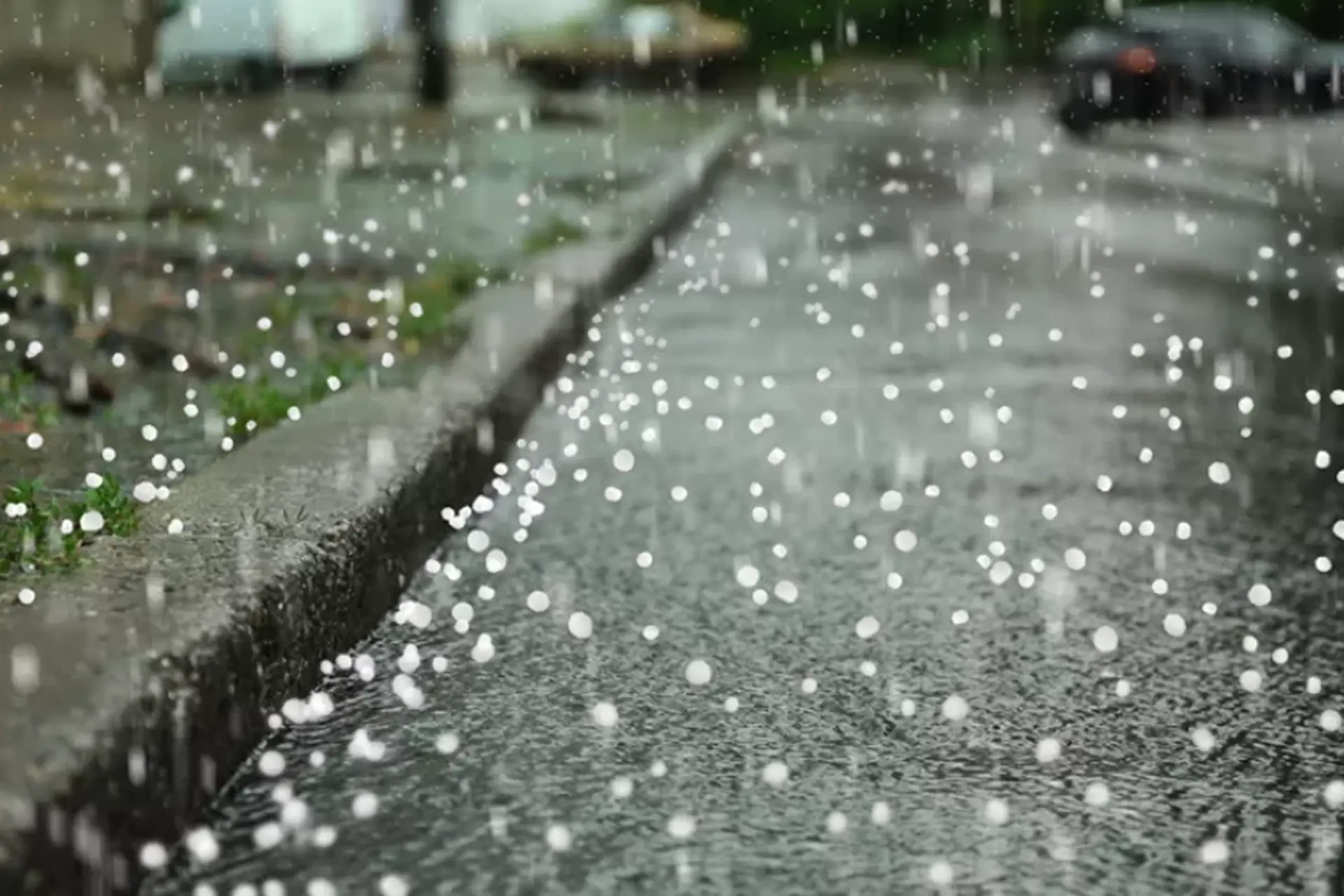
The hail stopped.
The thunder faded.
The wind became quieter.
And the community slowly began returning to normal.
But normal did not mean untouched.
There were roofs to inspect.
Cars to repair.
Branches to remove.
Windows to replace.
Streets to clear.
And stories to share.
For some residents, the most lasting memory would be the physical damage.
For others, it would be the suddenness of the storm.
And for many, it would simply be the realization that a perfectly ordinary evening can change dramatically within minutes.
What the Community Can Take Away
The storm left behind more than hailstones and damaged property.
It offered a reminder about preparedness.
Severe weather doesn't always provide a long period of warning before conditions become dangerous.
The ability to recognize changing conditions and respond quickly can make a significant difference.
It also demonstrated why people should respect weather warnings even when the storm initially appears distant.
A thunderstorm can evolve quickly.
Hail can increase in size.
Winds can strengthen.
Road conditions can deteriorate.
And outdoor conditions can become hazardous before someone has time to react.
A Quiet Evening, Interrupted
Perhaps the most striking part of the entire event was the contrast.
The evening had begun without anything particularly unusual.
Residents were going about ordinary activities.
Nobody expected the town to become the scene of an intense hailstorm.
But within a matter of minutes, the atmosphere changed.
The sky darkened.
Wind moved through the streets.
Thunder echoed across the community.
Then large hail began falling.
The event was a reminder that severe weather doesn't need to fit into our schedules.
It can arrive while people are eating dinner.
While children are doing homework.
While someone is driving home.
While families are preparing for bed.
Nature doesn't wait for a convenient moment.
Preparedness is therefore about accepting that uncertainty and knowing what to do when conditions change.
Looking Ahead After the Storm
In the days following a major hailstorm, the focus naturally shifts from survival to recovery.
Residents begin repairing what was damaged.
Insurance claims may be filed.
Contractors may assess roofs.
Vehicle owners may seek estimates.
Utility crews may restore damaged infrastructure.
Municipal workers may clear roads and public spaces.
And gradually, the physical signs of the storm begin disappearing.
Hail melts.
Branches are removed.
Debris is collected.
Damaged vehicles are repaired.
Roofing materials are replaced.
Eventually, the streets may look almost exactly as they did before.
But the experience remains.
The Most Important Reminder
A severe hailstorm can be fascinating to watch from a safe distance, but large hail is not something to underestimate.
The same ice that looks extraordinary on the ground can cause significant injuries and property damage while falling.
That is why the safest response is not to stand outside recording the largest hailstones.
It is to get indoors.
Move away from windows.
Listen for updated warnings.
Stay sheltered until the dangerous conditions have passed.
Then, once it is safe, assess the situation carefully.
That simple response can reduce the risk of turning an already difficult weather event into a preventable emergency.
Final Thoughts
The powerful hailstorm that swept through the town transformed an ordinary Tuesday evening into an event that residents were unlikely to forget.
What began as a quiet night quickly became a combination of thunder, powerful winds, heavy precipitation, and unusually large hail.
The aftermath revealed damage to vehicles, roofs, trees, windows, roads, and outdoor property.
Yet the event also offered lessons that extend beyond this particular community.
Severe weather can develop rapidly.
Large hail can cause substantial damage.
Wind can create hazards that remain after the storm appears to have ended.
And the first priority during dangerous weather should always be personal safety.
Property can be repaired.
Vehicles can be fixed.
Branches can be removed.
Windows can be replaced.
But injuries can have consequences that last much longer than the storm itself.
The best response to severe weather is therefore preparation, awareness, and a willingness to act before conditions become dangerous.
For the residents who experienced this storm, the memory may remain tied to the sound of ice pounding against rooftops, the sight of streets covered in hail, and the shock of watching an ordinary evening transform so quickly.
The storm eventually moved on.
The thunder faded.
The hail melted.
The streets were cleaned.
But the lesson remained.
Severe weather can arrive with astonishing speed, and a quiet evening can become dangerous in a matter of minutes. Staying informed, preparing in advance, and taking shelter early may be the most important things anyone can do when the sky suddenly begins to change.