Have you ever heard that ordinary rice can help get rid of rats and cockroaches?
The idea has been circulating as a popular home remedy for years. Because rice is inexpensive, easy to find, and already present in almost every kitchen, many people are curious about whether a simple bowl of rice can really solve a pest problem.
The truth, however, is more interesting than the viral claims suggest.
Rice by itself is not a proven method for killing rats or cockroaches. In fact, leaving rice or other food exposed can sometimes attract pests rather than eliminate them.
So why do people recommend rice?
And is there a safe way to use ordinary household ingredients as part of a pest-control strategy?
Let's take a closer look.
Why Do People Use Rice in Homemade Pest Remedies?
Rice is often included in traditional pest-control recipes because it is cheap, dry, and readily available.
Some homemade methods combine rice with strongly scented ingredients or other household materials. The theory is usually that the mixture will either attract pests toward a particular location or discourage them from returning.
However, many of these claims are based on anecdotal experiences rather than controlled scientific evidence.
Rice itself does not contain a naturally occurring ingredient that reliably acts as a rat poison or cockroach killer.
If you find a recipe claiming that ordinary rice alone will kill an infestation, be skeptical.
Can Rice Kill Rats?
One common internet claim suggests that rats will eat dry rice, the rice will somehow expand inside their stomach, and this will kill them.
This is a popular myth, but it should not be treated as a reliable pest-control method.
Rats regularly consume grains and other dry foods. Their digestive systems are adapted to eating a wide range of foods, including grains.
So placing uncooked rice around your home is unlikely to provide the dramatic result that viral posts sometimes promise.
In fact, exposed rice can have the opposite effect.
It may provide an additional food source for rodents.
Rice May Attract Rats Instead
Rats are opportunistic feeders.
If they discover an easily accessible food source, they may continue returning to the area.
This means that leaving bowls of rice, grains, pet food, or other food scraps around your home can potentially make a rodent problem worse.
If you're trying to control rats, one of the most useful principles is simple:
Don't provide them with easy access to food.
Store rice, flour, cereal, pet food, and other dry goods in sealed containers.
Clean crumbs from countertops and floors.
Don't leave food sitting out overnight.
And make sure garbage containers are properly closed.
These basic steps are often more useful than relying on a homemade rice mixture.
What About Cockroaches?
Cockroaches are also attracted to accessible food.
Rice itself isn't a cockroach poison.
If cockroaches find spilled rice or food particles in your kitchen, they may simply treat them as another source of nourishment.
That's why cleanliness and food storage are so important when dealing with an infestation.
Cockroaches can survive on surprisingly small amounts of food, including crumbs and residue that may be difficult to notice.
A kitchen that looks clean to us can still contain enough food particles to sustain pests.
The Real Power of a “Natural” Pest Strategy
If you prefer to avoid unnecessary chemicals, you can still take several practical steps to make your home less attractive to rats and cockroaches.
The goal is not to find one magical ingredient.
The goal is to remove the conditions that allow pests to survive.
That means focusing on three things:
Food. Water. Shelter.
Remove or reduce these resources, and your home becomes a less attractive environment.
1. Store Food Properly
Keep rice, flour, cereal, nuts, pet food, and other dry foods in containers with tightly sealed lids.
Thin plastic bags or cardboard packaging may not be enough to prevent pests from accessing food.
Glass or sturdy food-grade plastic containers with secure seals are better choices.
Don't forget about pet food.
A bowl of pet food left out overnight can provide an easy meal for rodents and insects.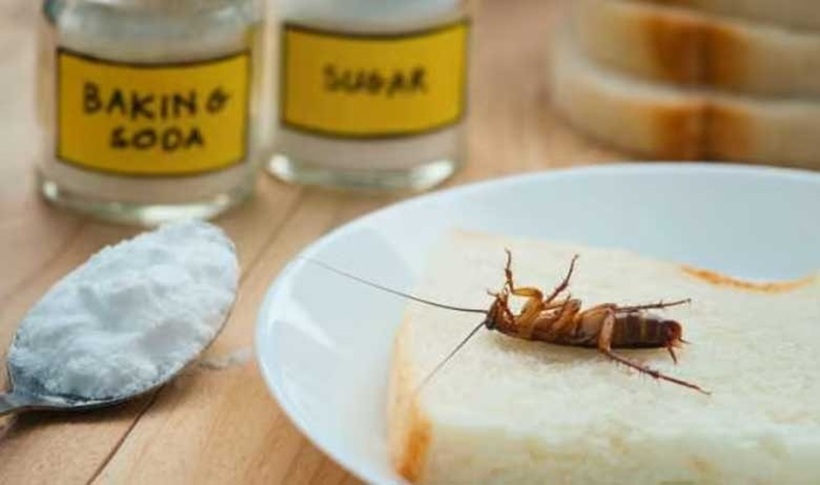
2. Clean Food Residue
You don't need to deep-clean your entire home every hour.
But regular cleaning of food-preparation areas can make a significant difference.
Wipe countertops.
Sweep or vacuum floors.
Clean beneath appliances when possible.
Pay particular attention to areas beneath refrigerators, ovens, cabinets, and furniture where crumbs can accumulate.
Small amounts of food may be enough to attract pests.
3. Eliminate Standing Water
Water is another major attraction.
Fix leaking faucets and pipes.
Dry wet areas beneath the sink.
Don't allow water to collect in containers.
Keep kitchen and bathroom areas as dry as reasonably possible.
Cockroaches especially benefit from humid environments, so reducing moisture can make your home less welcoming to them.
4. Seal Possible Entry Points
For rats and mice, prevention is especially important.
Rodents can squeeze through surprisingly small openings.
Inspect areas around:
- Pipes
- Doors
- Windows
- Vents
- Drains
- Utility lines
- Cracks in walls
- Gaps beneath cabinets
Seal appropriate openings with durable materials suited to the location.
Simply placing food-based remedies around the house won't solve the underlying problem if rodents still have easy access to your home.
5. Reduce Clutter
Pests need places to hide.
Stacks of cardboard boxes, unused containers, bags, and piles of materials can create convenient hiding spaces.
Keeping storage areas organized makes it easier to notice signs of an infestation.
It also makes it easier to identify where pests may be entering.
What About Strong-Smelling Ingredients?
You may have heard that certain household ingredients—such as peppermint, cloves, bay leaves, vinegar, or citrus—can drive pests away.
Some strong odors may temporarily discourage certain pests from particular areas.
But they should not be considered a guaranteed solution for an established infestation.
A scent that bothers one pest may have little effect on another.
And even when an odor causes temporary avoidance, the pests may simply move to another part of the house.
That's why scent-based remedies work best, if at all, as a possible supplement to good sanitation and exclusion—not as a replacement for them.
A Better Way to Think About Homemade Remedies
The internet is full of recipes claiming to eliminate pests overnight.
Some recommend rice.
Others suggest mixing common kitchen ingredients.
The problem is that these recipes often make claims that have not been properly tested.
A better question is:
Does this method make my home less attractive to pests, or am I simply putting more food into an area where pests already live?
If the answer is the second one, the remedy may be counterproductive.
Don't Mix Household Chemicals
This is especially important.
Never experiment by mixing household cleaning products, pesticides, or other chemicals together.
Some combinations can produce dangerous gases or other hazardous reactions.
A “natural” pest-control experiment should never involve creating an unknown chemical mixture.
If you choose to use a commercial pesticide, follow the product label carefully and keep it away from children and pets as directed.
What Should You Do If You Actually Have Rats?
If you see a rat repeatedly, find droppings, hear scratching inside walls, or notice gnaw marks, don't rely on rice alone.
Start by removing accessible food and water.
Then look for possible entry points.
If the problem continues, consider using appropriate traps or contacting a qualified pest-control professional.
Professional assistance becomes particularly important when rodents are entering wall cavities, ceilings, attics, or other inaccessible areas.
Rats can damage wiring and structures, contaminate food, and spread disease.
What Should You Do If You Have Cockroaches?
Cockroach control often requires more than killing the insects you can see.
Cockroaches may hide in cracks, cabinets, appliances, drains, and other protected areas.
Clean food residue, reduce moisture, remove clutter, and seal cracks where practical.
Depending on the species and severity of the infestation, targeted traps or commercially available pest-control products may be more effective than homemade remedies.
If an infestation is significant or persistent, professional treatment may be the most efficient solution.
Why You Shouldn't Rely on Viral “One-Ingredient” Tricks
A common feature of viral pest-control videos is the promise of an incredibly simple solution:
“One ingredient.”
“Leave it overnight.”
“Never see a cockroach again.”
Real pest management is usually more complicated.
Pests survive because they have access to food, water, shelter, and entry points.
Removing those resources is generally more reliable than hoping a single household ingredient will solve everything.
This doesn't mean traditional remedies are always useless.
It means they should be evaluated realistically.
The Most Effective “Natural” Remedy Is Prevention
If your goal is to keep your home free from rats and cockroaches without immediately reaching for strong chemicals, prevention is your best starting point.
Think about your home from a pest's perspective.
Is there food available?
Is there water?
Are there dark, undisturbed spaces?
Can the pest enter through a gap?
Are garbage containers accessible?
Once you identify the answers, you can begin removing those opportunities.
This approach is simple, inexpensive, and useful regardless of whether you use additional pest-control methods later.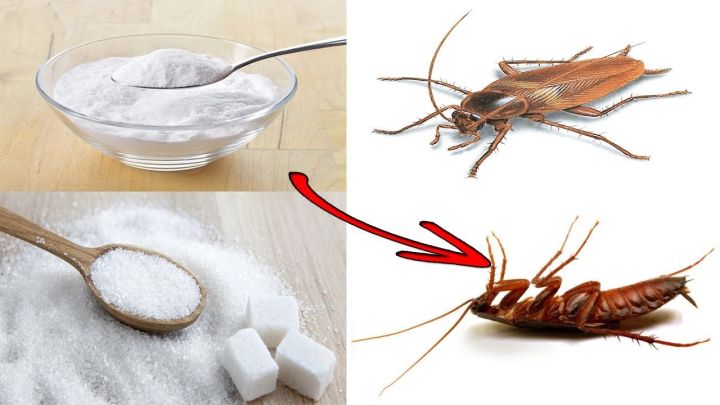
Final Thoughts
So, can rice get rid of rats and cockroaches?
Not by itself.
Rice is not a scientifically established rat poison or cockroach killer. In some situations, leaving rice exposed may actually provide pests with another food source.
The better approach is to use rice as what it really is—a food—and focus your pest-control efforts on sanitation, food storage, moisture control, clutter reduction, and sealing entry points.
If you enjoy trying traditional household remedies, treat them as supplementary measures rather than guaranteed solutions.
And remember:
A clean, dry, well-sealed home is far more difficult for pests to live in than a home filled with accessible food and hiding places.
When an infestation becomes persistent, extensive, or difficult to control, don't waste time trying endless kitchen remedies.
Use appropriate pest-control methods or contact a qualified professional.
Sometimes the simplest solution isn't a secret ingredient.
It's making your home a place where pests have fewer reasons—and fewer opportunities—to stay.