Rice is one of the world's most widely consumed staple foods, feeding billions of people every day. Yet while the grains themselves receive most of the attention, many people simply pour away the cloudy water left behind after rinsing or cooking rice without realizing that it has been traditionally used for generations in homes across Asia and other parts of the world.
Known as rice water, this simple kitchen by-product has long been valued in traditional beauty routines, household practices, and home gardening. From hair and skin care to supporting healthy plants, rice water has earned a reputation as a versatile household ingredient. More recently, scientists have begun studying some of its components, although many traditional claims still require further research.
While rice water is not a miracle solution or a substitute for medical treatment, it remains an interesting example of how everyday kitchen ingredients can be used in practical and resourceful ways.
Let's explore the traditional uses of rice water, what it contains, and what current science suggests.

What Is Rice Water?
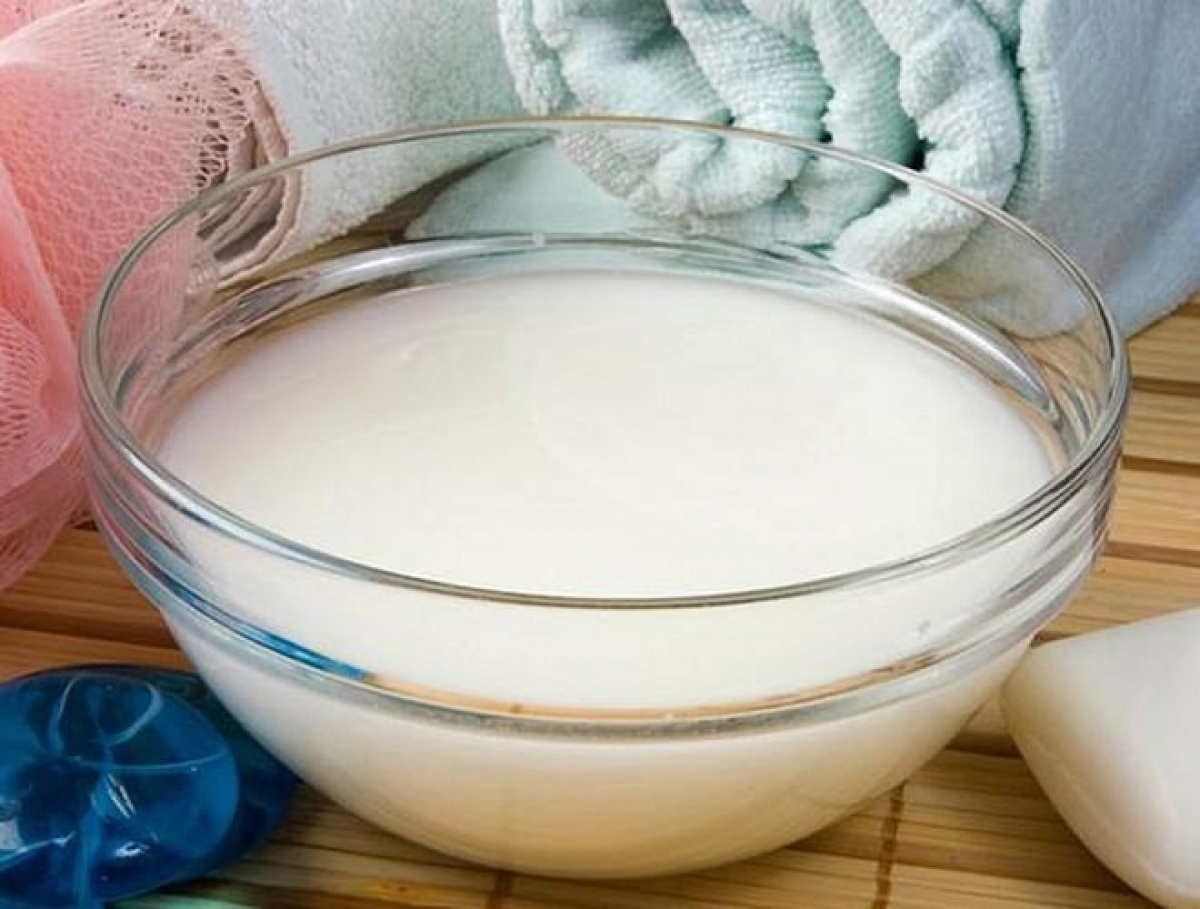
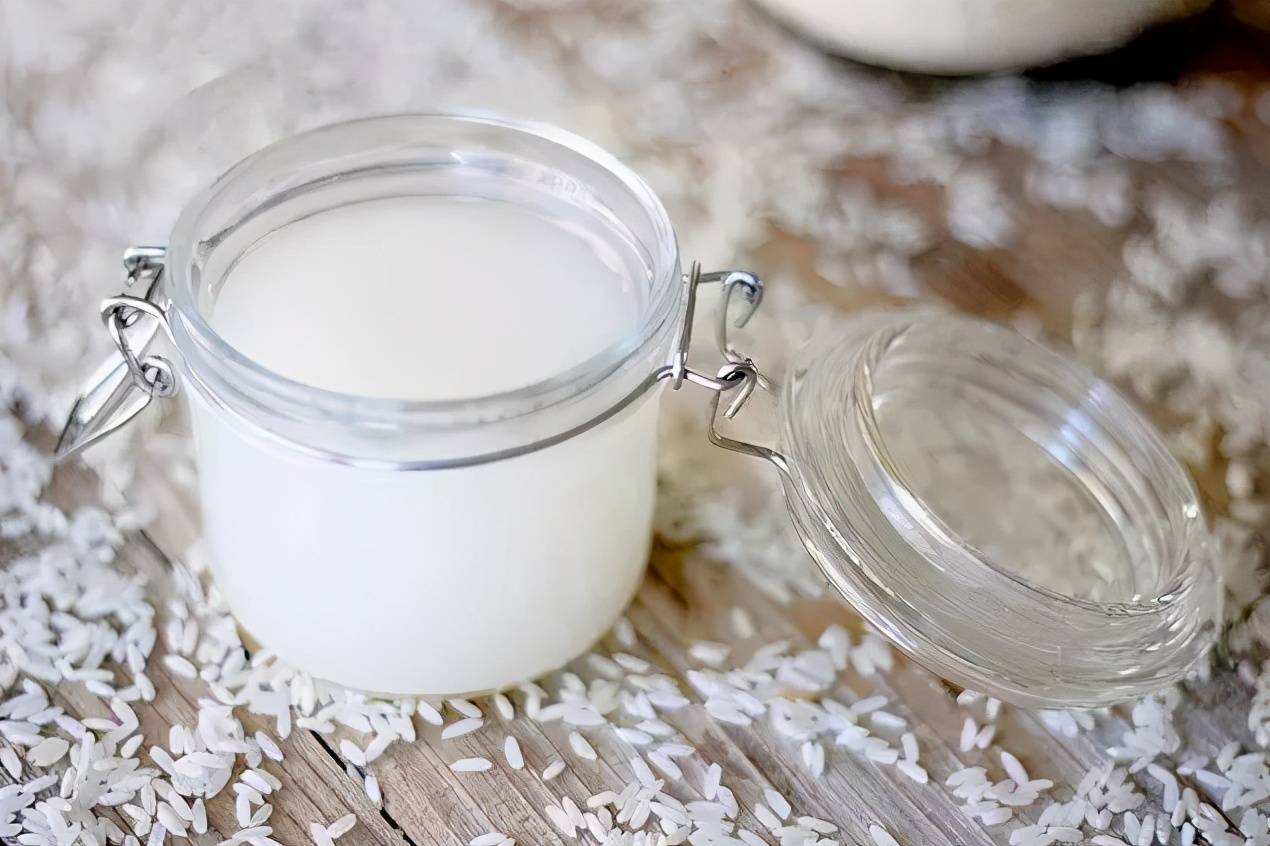
Rice water is the cloudy liquid that remains after rinsing or cooking rice.
It contains varying amounts of:
-
Starch
-
Small quantities of B vitamins
-
Trace minerals
-
Amino acids
-
Plant compounds
-
Tiny amounts of protein
The exact composition depends on:
-
The type of rice
-
Whether it was rinsed or cooked
-
The amount of water used
-
How long the rice soaked
Fresh rice water is generally preferred for household use because it is less likely to spoil.
Traditional Uses Around the World
For centuries, rice water has played a role in many cultures.
Traditional uses include:
-
Hair rinses
-
Skin cleansing
-
Household cleaning
-
Plant care
-
Cooking
-
Textile care
Although these practices have been passed down through generations, scientific evidence varies depending on the specific use.
1. Traditional Hair Care
One of the best-known traditional uses of rice water is as a hair rinse.
Historical records suggest that women in parts of East Asia used rice water as part of their regular hair care routines.
People traditionally believed it helped:
-
Improve hair smoothness
-
Reduce tangles
-
Add shine
-
Make hair easier to manage
Some researchers believe these effects may be partly related to inositol, a naturally occurring carbohydrate found in rice that has been studied for its interactions with hair fibers.
However, more human research is needed to determine how effective rice water is compared with modern hair care products.
2. Gentle Skin Care
Rice water has also been traditionally used as a mild facial rinse.
Many people appreciate its lightweight feel and use it after cleansing the skin.
Some laboratory studies suggest rice contains antioxidant compounds that may help protect skin cells from oxidative stress.
However, rice water is not a treatment for eczema, acne, psoriasis, or other skin conditions.
If irritation develops, discontinue use and consult a healthcare professional.
3. A Natural Ingredient for Home Gardening
Rice water has become popular among home gardeners.
Because it contains small amounts of starch and trace nutrients, some gardeners use it to water ornamental plants.
Potential benefits may include:
-
Recycling kitchen water
-
Reducing household waste
-
Providing small amounts of organic material to the soil
However, rice water should be used in moderation.
Large amounts or stale rice water may encourage unwanted odors, mold, or pests.
Avoid using salted or seasoned rice water on plants.
4. Traditional Household Cleaning
In some households, rice water has historically been used for light cleaning tasks.
People have traditionally used it to:
-
Wipe wooden surfaces
-
Clean certain kitchen utensils
-
Remove light dust
These traditional uses rely mainly on the mild starch content of the liquid.
For disinfecting surfaces, modern cleaning products remain more reliable.
5. Cooking Uses
Rice water can also be reused in cooking.
Some people add it to:
-
Soups
-
Stews
-
Sauces
-
Bread dough
The starch contributes a slightly thicker texture and helps reduce food waste.
6. Traditional Fabric Care
Historically, diluted rice starch has been used to stiffen fabrics.
Rice water has traditionally been applied to:
-
Cotton clothing
-
Table linens
-
Handkerchiefs
Once dried and ironed, the fabric develops a crisp finish.
Modern fabric starch products now perform this role more consistently.
7. Supporting Sustainable Living
One reason rice water continues to attract attention is its role in reducing waste.
Instead of discarding rinse water immediately, some households choose to reuse it in practical ways.
This simple habit reflects broader sustainability practices such as:
-
Conserving water
-
Reducing household waste
-
Making greater use of everyday resources
Although the environmental impact of one household is modest, small habits can add up over time.
What Does Science Say?
Scientists have begun examining several components found in rice water.
Research has explored:
-
Antioxidant activity
-
Hair fiber interactions
-
Skin hydration
-
Plant nutrition
Some laboratory studies have reported encouraging findings, particularly regarding the effects of rice-derived compounds on hair.
However, many popular claims circulating online remain unsupported by high-quality clinical evidence.
For example, there is currently insufficient evidence that rice water:
-
Cures skin diseases
-
Eliminates wrinkles
-
Stimulates dramatic hair growth
-
Treats medical conditions
More research is needed.
How to Make Rice Water at Home
One simple method involves:
Ingredients
-
½ cup uncooked rice
-
2–3 cups clean water
Instructions
-
Rinse the rice briefly to remove surface dust if desired.
-
Place the rice in a bowl.
-
Add clean water.
-
Stir gently for several minutes.
-
Strain the liquid into a clean container.
Fresh rice water should be refrigerated if not used immediately and discarded if it develops an unpleasant odor or visible signs of spoilage.
Can Rice Water Be Fermented?
Some people prepare fermented rice water by allowing it to sit for a period before use.
Fermentation changes the composition of the liquid and may alter its acidity.
While fermented rice water has become popular in beauty routines, research on its benefits remains limited.
Improper fermentation can also encourage unwanted microbial growth.
Is Rice Water Safe?
Rice water is generally considered low risk for most household uses.
However:
-
Avoid using spoiled rice water.
-
Discontinue use if skin irritation occurs.
-
Do not rely on rice water to treat medical conditions.
-
Store prepared rice water safely and use it within a short period.
Individuals with sensitive skin should perform a small patch test before applying it more broadly.
Common Myths About Rice Water
Myth: Rice water makes hair grow dramatically faster.
There is currently no strong scientific evidence that rice water significantly accelerates hair growth.
It may improve hair's appearance or manageability for some people, but individual results vary.
Myth: Rice water cures acne.
Rice water is not an established treatment for acne.
Persistent skin concerns should be evaluated by a dermatologist or other qualified healthcare professional.
Myth: Rice water can replace moisturizer.
Although it may feel refreshing on the skin, rice water does not replace a well-formulated moisturizer for people with dry skin.
Myth: More is always better.
Excessive use may not provide additional benefits and, in some cases, may leave residue on hair or skin.
Moderation is often the best approach.
Tips for Using Rice Water Wisely
If you choose to use rice water:
-
Prepare it using clean utensils and water.
-
Use fresh batches whenever possible.
-
Refrigerate unused portions promptly.
-
Avoid using water from heavily seasoned or salted rice.
-
Stop using it if irritation or an unpleasant odor develops.
Good hygiene helps minimize contamination.
Final Thoughts
Rice water is a simple kitchen staple that has been appreciated in traditional households for generations. Whether used as a hair rinse, a gentle skin cleanser, a cooking ingredient, a fabric starch, or a way to water certain plants, it reflects the resourcefulness of cultures that found practical uses for every part of their food preparation.
Modern research suggests that rice water contains starch, amino acids, antioxidants, and other naturally occurring compounds that may help explain some of its traditional applications. However, many of the dramatic health and beauty claims found online are not yet supported by strong scientific evidence.
Rather than viewing rice water as a miracle remedy, it is best appreciated as an affordable, sustainable household ingredient that may complement everyday routines. Combined with good personal care, proper nutrition, and evidence-based health practices, rice water remains an interesting example of how traditional knowledge and modern curiosity can come together in everyday life.