Rosemary is probably sitting in your kitchen right now.
You may know it as the fragrant herb that makes roasted potatoes, chicken, vegetables, and soups taste better. But for centuries, rosemary has been valued for much more than its flavor.
Traditionally used in Mediterranean cultures, rosemary has been associated with memory, digestion, circulation, and general wellness, while its aromatic leaves contain naturally occurring plant compounds that scientists continue to study.
One of the most interesting areas of research is rosemary's potential role in supporting the body's response to inflammation and discomfort.
But there's an important distinction: rosemary is not a proven replacement for pain medication or medical treatment. Much of the evidence comes from laboratory studies, traditional use, or limited human research.
So what makes this ordinary-looking herb so interesting?
Let's take a closer look.

🌿 What Makes Rosemary So Special?
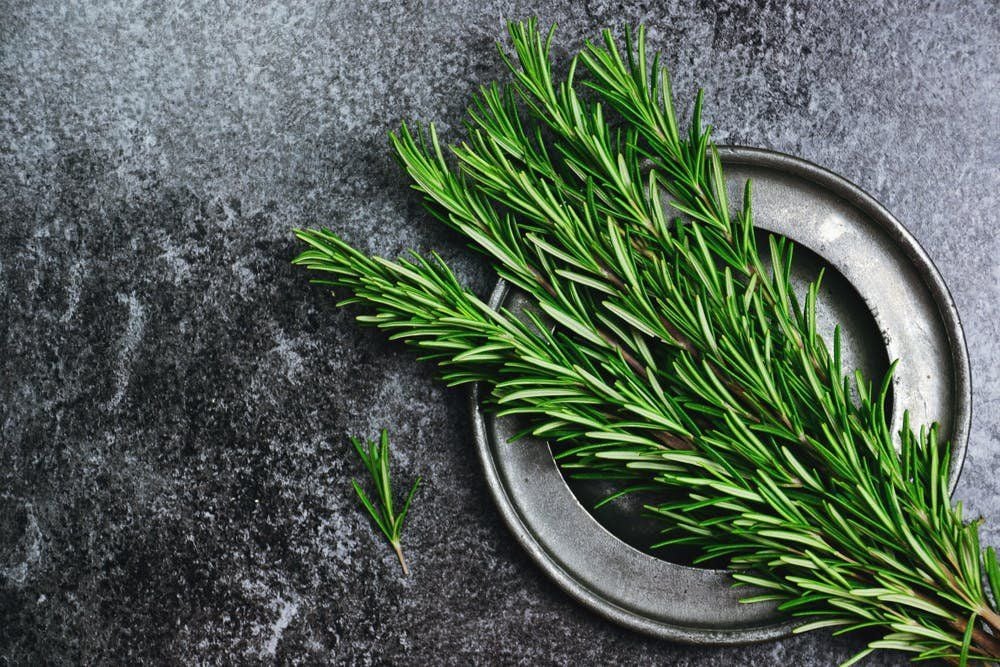
Rosemary, scientifically known as Salvia rosmarinus, is an aromatic evergreen herb belonging to the mint family.
It naturally contains a variety of bioactive compounds, including:
-
Rosmarinic acid
-
Carnosic acid
-
Carnosol
-
Essential oils such as 1,8-cineole and camphor
These compounds contribute to rosemary's distinctive aroma and flavor.
More importantly, many of them have demonstrated antioxidant and anti-inflammatory activity in laboratory research.
This is one reason rosemary has attracted attention from researchers interested in nutrition, inflammation, oxidative stress, and overall health.
🔥 Rosemary and Inflammation
Inflammation is a normal part of the body's defense and repair system.
When you get injured or develop an infection, your immune system activates a complex series of responses. Short-term inflammation can be helpful.
The problem is that persistent, excessive inflammation can contribute to many chronic health conditions.
Several compounds found in rosemary have shown anti-inflammatory effects in laboratory and animal studies.
Rosmarinic acid, for example, has been investigated for its ability to influence inflammatory pathways.
Carnosic acid and carnosol have also attracted scientific interest because of their antioxidant and cellular effects.
However, it's important not to jump from laboratory findings to claims that eating rosemary will treat inflammation-related diseases.
Research on rosemary is promising, but human evidence is still limited for many specific health claims.
💪 Could Rosemary Help With Pain?
This is one of the reasons rosemary is sometimes described as a “natural pain reliever.”
Traditional medicine has used rosemary preparations for various forms of discomfort, including muscle and joint complaints.
Modern research has investigated rosemary and its compounds for possible effects related to pain and inflammation.
Some experimental studies suggest that rosemary extracts or essential oil may influence biological pathways involved in pain perception and inflammation.
But there's a major difference between:
“A compound in rosemary has demonstrated biological activity in research”
and
“Eating rosemary will relieve your pain.”
The second statement is much stronger—and isn't established by current evidence.
For ordinary cooking, rosemary is best thought of as a nutritious culinary herb with potentially beneficial plant compounds, not as a substitute for established pain treatments.
🧠 Rosemary and Memory
Here's another fascinating area.
Rosemary has a long-standing traditional association with memory and remembrance.
In fact, its connection with memory goes back centuries.
Modern researchers have investigated whether the aroma of rosemary or certain rosemary compounds might influence aspects of cognitive performance.
Some small human studies have reported interesting effects from rosemary aroma or rosemary-related compounds on aspects of memory or alertness.
But these studies are generally limited, and the findings don't mean rosemary can prevent dementia or dramatically improve memory.
Still, the traditional association is interesting—and it may have a scientific basis worth investigating further.
🌬️ The Aroma May Be Part of the Story
You don't necessarily have to eat rosemary to experience its characteristic scent.
Rosemary essential oil contains volatile compounds that contribute to its strong aroma.
Aromatherapy researchers have investigated rosemary aroma in relation to:
-
Alertness
-
Attention
-
Mood
-
Cognitive performance
Some studies suggest that exposure to rosemary aroma may influence certain measures of alertness or memory.
But essential oils are highly concentrated products.
More is not better.
Using excessive amounts, swallowing essential oil, or applying concentrated oil directly to the skin can cause problems.
🛡️ Rosemary Is Rich in Antioxidant Compounds
One of rosemary's most interesting characteristics is its antioxidant content.
Antioxidants help protect cells from oxidative damage caused by reactive molecules.
Rosemary contains several compounds with antioxidant activity, especially:
Carnosic acid
Carnosol
Rosmarinic acid
These compounds have been extensively studied in laboratory settings.
Interestingly, rosemary extracts are also used in the food industry as natural antioxidants to help slow oxidation in certain products.
That doesn't mean eating rosemary will magically “detox” your body.
Your body already has sophisticated systems for handling oxidative stress.
Rather, rosemary is one of many plant foods that can contribute useful bioactive compounds to the diet.
🥗 Rosemary Can Make Healthy Food More Interesting
One underrated benefit of rosemary has nothing to do with a specific disease.
It can make healthy meals taste better.
Try adding fresh or dried rosemary to:
-
Roasted vegetables
-
Potatoes
-
Chicken
-
Fish
-
Beans
-
Lentils
-
Whole grains
-
Soups
-
Stews
-
Homemade sauces
This matters because flavorful herbs can help people enjoy nutritious foods without relying heavily on salt, sugar, or highly processed sauces.
A simple combination of rosemary, garlic, olive oil, black pepper, and lemon can transform an ordinary meal.
❤️ What About Heart Health?
You may see claims online that rosemary can “clean your arteries” or prevent heart disease.
Those claims go beyond the available evidence.
Rosemary contains antioxidant compounds, and researchers are interested in how these compounds may influence processes related to cardiovascular health.
But there is not enough evidence to say that rosemary alone prevents heart disease or clears blocked arteries.
If you're concerned about cardiovascular health, the proven fundamentals remain much more important:
-
Don't smoke
-
Stay physically active
-
Maintain a healthy body weight
-
Eat a balanced diet
-
Manage blood pressure
-
Manage cholesterol
-
Control blood glucose when necessary
-
Follow prescribed treatments
Rosemary can be part of a healthy diet, but it isn't a replacement for these measures.
🍽️ Fresh vs. Dried Rosemary
Both fresh and dried rosemary can be useful in cooking.
Fresh rosemary generally has a brighter, more aromatic flavor.
Dried rosemary is more concentrated by volume because the water has been removed.
That means you usually need less dried rosemary than fresh.
From a practical standpoint, either can be a good way to add flavor and plant compounds to meals.
Choose whichever is convenient and enjoyable.
☕ What About Rosemary Tea?
Rosemary tea has become popular in wellness circles.
It is usually made by steeping fresh or dried rosemary leaves in hot water.
People traditionally drink it for various reasons, including digestion and relaxation.
However, many claims surrounding rosemary tea are based more on traditional use than strong clinical evidence.
A cup of rosemary tea may be a pleasant beverage, but it shouldn't be presented as a treatment for chronic pain, high blood pressure, diabetes, or other medical conditions.
🧴 What About Rosemary Oil for Pain?
Rosemary essential oil is another popular product.
It is sometimes diluted and used in massage or aromatherapy.
Some research has investigated topical rosemary preparations for discomfort, but evidence remains limited and doesn't establish essential oil as a replacement for conventional pain treatment.
If you use essential oil on the skin, dilution is important.
Undiluted essential oils can cause irritation, allergic reactions, or burns in some people.
And essential oils should generally not be swallowed unless a qualified professional specifically recommends an appropriate, regulated preparation.
⚠️ Rosemary Isn't Risk-Free
“Natural” doesn't automatically mean “safe for everyone.”
Rosemary used as a normal culinary herb is generally considered safe for most people.
But concentrated supplements and essential oils are different.
Potential concerns can include:
-
Skin irritation
-
Allergic reactions
-
Gastrointestinal discomfort
-
Interactions with certain medications
-
Problems from excessive consumption of concentrated preparations
People who are pregnant, have certain medical conditions, or take medications should be particularly cautious about concentrated herbal products.
If you're considering rosemary supplements or medicinal doses, talk with a healthcare professional first.
💊 Could Rosemary Interact With Medication?
This is one reason it's important to distinguish food amounts from concentrated supplements.
A small amount of rosemary used to season dinner is very different from taking a concentrated rosemary extract every day.
Herbal products can potentially interact with medications, particularly when consumed in concentrated amounts.
If you're taking prescription medication for blood pressure, blood clotting, diabetes, seizures, or other chronic conditions, discuss herbal supplements with your healthcare professional before using them regularly.
Don't stop or change prescribed medication because of claims about rosemary or another herb.
🌱 How to Grow Rosemary at Home
Rosemary is also surprisingly easy to grow.
It generally prefers:
-
Plenty of sunlight
-
Well-draining soil
-
Moderate watering
-
Good air circulation
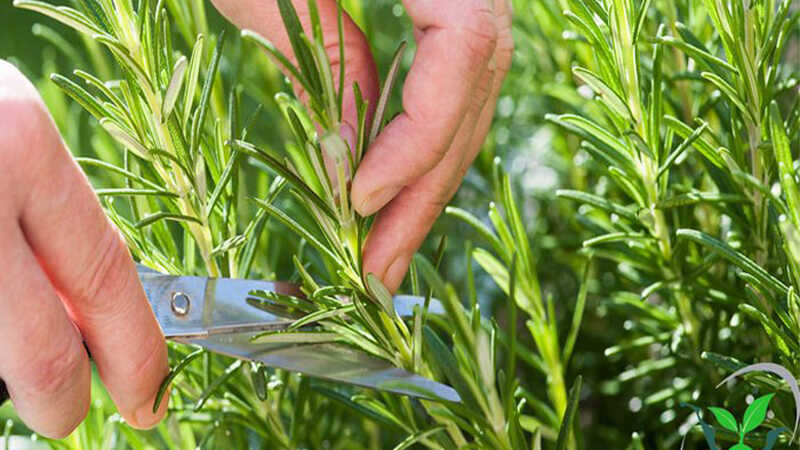
Once established, rosemary can be harvested regularly.
Having fresh rosemary available can make it easier to incorporate the herb into everyday cooking.
And there's something satisfying about stepping outside, cutting a few sprigs, and adding them directly to dinner.
🧠 Don't Fall for the “Miracle Herb” Trap
Whenever a common herb becomes popular online, exaggerated claims tend to follow.
You may encounter statements suggesting that rosemary can:
-
Cure arthritis
-
Eliminate chronic pain
-
Reverse memory loss
-
Prevent cancer
-
Clean the blood
-
Remove toxins
-
Cure diabetes
These claims should be treated with skepticism.
Research into rosemary is genuinely interesting, but interesting research is not the same as proven treatment.
The strongest evidence supports rosemary as a flavorful herb containing bioactive compounds with antioxidant and other biological activity.
Research into possible therapeutic applications is ongoing.
🌿 How to Add More Rosemary to Your Diet
You don't need complicated recipes.
Try these simple ideas:
Rosemary Roasted Potatoes
Toss potatoes with olive oil, chopped rosemary, garlic, and black pepper before roasting.
Rosemary Chicken
Add fresh rosemary, lemon, garlic, and olive oil to chicken before cooking.
Rosemary Vegetables
Roast carrots, zucchini, cauliflower, or squash with rosemary and olive oil.
Rosemary Beans
Add a small amount of chopped rosemary to white beans or lentils.
Rosemary Soup
A sprig of rosemary can add a deep, earthy flavor to vegetable, bean, or chicken soups.
The goal isn't to consume huge quantities.
Small amounts used consistently in a varied diet are more practical than chasing concentrated “miracle” doses.
🔬 What Scientists Still Need to Learn
Rosemary has generated considerable scientific interest, but many questions remain.
Researchers continue to investigate:
-
Which compounds are most biologically active
-
How rosemary compounds are absorbed and metabolized
-
Whether laboratory effects translate into meaningful human benefits
-
Appropriate doses
-
Long-term safety of concentrated extracts
-
Potential applications in inflammation and neurological health
Future clinical trials may provide clearer answers.
Until then, it's best to appreciate rosemary for what we know it can reliably offer while avoiding claims that go beyond the evidence.
🌿 The Bottom Line
Rosemary is much more than a decorative sprig sitting on the side of a dinner plate.
It's a flavorful herb rich in naturally occurring compounds such as rosmarinic acid, carnosic acid, and carnosol, many of which have demonstrated antioxidant or anti-inflammatory activity in laboratory research.
Traditional practices have also associated rosemary with memory, digestion, circulation, and relief from various types of discomfort.
Modern science is investigating some of these possibilities, but the evidence isn't strong enough to call rosemary a proven treatment for pain or chronic disease.
The smartest way to use it is simple:
Enjoy rosemary as part of a varied, balanced diet.
Use it to flavor vegetables, potatoes, meat, fish, soups, and grains. Let its aroma make your kitchen feel warmer and your meals more interesting.
And if you're considering concentrated rosemary extracts or essential oils for a specific health problem, talk with a qualified healthcare professional first.
Because sometimes the most powerful thing about a traditional herb isn't that it can replace modern medicine.
It's that a simple plant can add flavor, nutrition, and centuries of cultural history to something as ordinary—and important—as the food on your plate.