Even after the trains are removed, the work is not necessarily complete. Investigators may need access to stored components, digital records, maintenance documents, and control-center data for an extended period.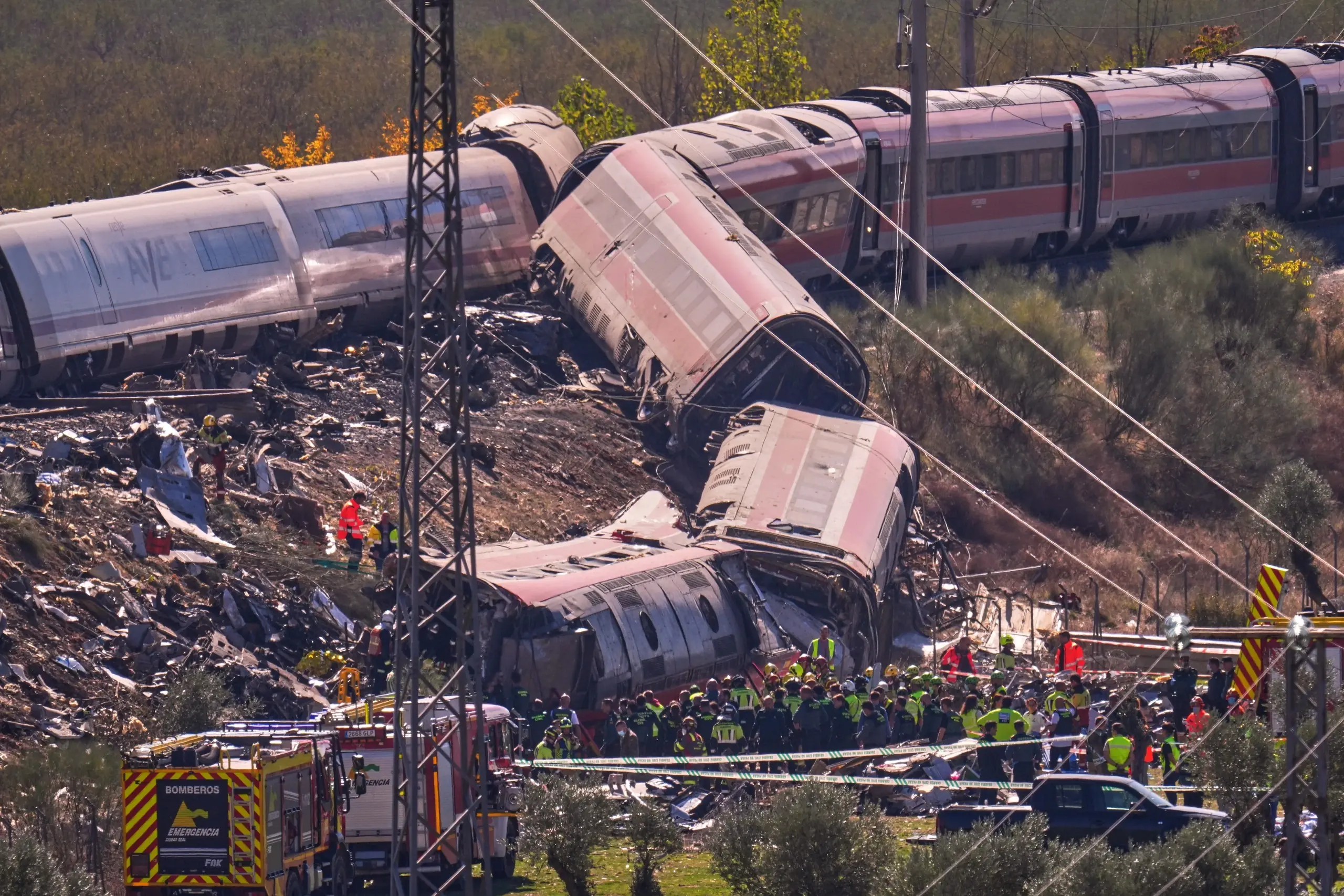
Chapter 7: The Human Cost Beyond the Death Toll
A figure such as 69 can communicate the scale of a disaster, but it cannot describe the individual lives behind it.
Each person aboard the trains had a different reason for traveling. Some may have been commuting, others visiting relatives, attending appointments, or taking a trip they had planned for weeks. The passengers were not simply a number on a railway report. They were family members, friends, colleagues, parents, children, and people with ordinary plans for the day ahead.
The survivors also face a difficult period. People who escape a serious collision may have physical injuries, but the emotional consequences can continue long after they leave hospital.
A sudden impact, the sight of damaged carriages, the sound of people calling for help, and the uncertainty about other passengers can leave lasting psychological effects. Some survivors may experience anxiety when traveling by train again. Others may struggle with sleep, concentration, or memories of the incident.
Families who lose someone in a disaster often face practical difficulties at the same time as grief. They may need to travel, communicate with authorities, arrange funerals, deal with paperwork, and understand what support is available.
The effects can also extend to railway workers and emergency responders. Drivers, controllers, firefighters, paramedics, police officers, and forensic staff may be exposed to extremely distressing scenes. Their professional responsibilities require them to continue working even under emotionally demanding conditions.
This is one reason support should not be limited to financial compensation. Families and survivors may need psychological care, clear communication, legal assistance, and help navigating administrative procedures.
The Spanish government announced a support package for victims and relatives, including direct aid and advance compensation payments. The stated aim was to provide assistance without forcing families to wait until all legal and administrative proceedings had been completed.
Such support cannot reverse the loss. It can, however, reduce some of the immediate burdens facing people whose lives have been changed by the collision.
Chapter 8: Spain Declares Mourning as the Country Seeks Answers
The collision quickly became a national tragedy. Spain's government declared three days of mourning following the disaster, and national attention turned toward the victims and their families.
Periods of national mourning are symbolic, but they also create a public space for collective recognition. Flags may be lowered, public events adjusted, and official ceremonies held in remembrance of those who died.
For a country with a large and widely used high-speed railway network, the disaster also raised questions about public confidence. Spain's rail system has long been seen as a major transport achievement, connecting cities across long distances and offering an alternative to road and air travel.
A fatal collision involving two high-speed passenger trains challenges the assumption that modern infrastructure and advanced technology are enough to guarantee safety.
People who regularly travel by train may begin asking whether signaling systems are reliable, whether control centers are adequately staffed, and whether emergency procedures are strong enough to protect passengers when something goes wrong.
Those concerns are not resolved by a statement of sympathy or a single announcement. They require transparent investigations and visible improvements where weaknesses are found.
Prime Minister Pedro Sánchez said the government would support the families and pursue answers. The authorities also faced pressure to explain how a collision could occur after a railway system disruption.
Public confidence depends not only on the technical findings but also on how openly they are communicated. If important information is delayed or explanations repeatedly change without adequate clarification, passengers may lose trust.
A transparent process should explain what is known, what remains uncertain, and what steps are being taken while the investigation continues.
Chapter 9: A Second Deadly Railway Disaster in the Same Year
The Urda collision was particularly alarming because Spain had already experienced another deadly railway accident earlier in 2026.
In January, a separate crash near Adamuz, in Córdoba province, killed 46 people. The fact that two major fatal accidents occurred in the same year, on the same broad high-speed corridor, intensified public concern.
The two incidents should not automatically be treated as having the same cause. Each accident requires its own investigation, and similarities in location or railway operations do not prove that the same technical fault was responsible.
However, two serious disasters within a relatively short period naturally raise wider questions about the condition and management of the railway system.
Authorities, railway workers, and passengers may ask whether infrastructure maintenance is sufficient, whether investment has kept pace with network use, and whether safety systems are being upgraded as planned.
Railway unions have also raised concerns about staffing levels and working conditions in control centers. Such claims require examination rather than automatic acceptance, but they are relevant to a complete review of railway safety.
A control center is a critical part of the system. Staff must monitor movements, respond to disruptions, communicate with drivers, and make decisions under pressure. If the workload is excessive or procedures are unclear, the risk of mistakes may increase.
At the same time, technology should be designed so that a single human mistake cannot easily lead to catastrophic consequences. Multiple layers of protection, clear communication, and independent verification can help reduce that risk.
The January and October accidents have therefore created a broader debate about how Spain maintains and supervises its high-speed network.
Chapter 10: The Transport Minister's Resignation
The political consequences of the Urda disaster became clearer on November 3, when Spain's Transport Minister, Óscar Puente, announced that he was resigning.
Puente said that a transport minister could not remain in office after two accidents of such severity in less than a year. His resignation came after he had presented measures intended to support victims and strengthen railway safety.
A minister's resignation does not establish the technical cause of an accident, nor does it by itself determine legal responsibility. It is a political decision that reflects accountability at the level of government.
In this case, the resignation added another dimension to the public debate. The government had to respond not only to the immediate tragedy but also to questions about the railway system, the previous accident, infrastructure management, and public confidence.
Puente's departure also placed pressure on the government to demonstrate that the response would continue beyond a change in leadership. Safety reviews, compensation arrangements, infrastructure work, and the independent investigation all require continuity.
The resignation was therefore a significant political development, but it was not the conclusion of the case.
The central technical questions remain: what failed, which instructions were issued, why the Renfe train continued toward a stationary train, and whether the safety systems and operating procedures were adequate.
Those questions must be answered through evidence, not through political statements alone.
Chapter 11: The Safety Measures Announced After the Collision
The Spanish government announced several measures after the Urda disaster. These included financial support for victims, additional reviews of railway safety systems, and changes to procedures used by control centers.
One important proposal involved additional verification when automatic railway protection systems are unavailable. Under the announced approach, decisions made by a control center in such circumstances would require supervision and validation by a second controller.
This type of cross-checking is intended to reduce the risk that one mistaken instruction can lead to a dangerous train movement.