Fatty Liver Disease: Early Signs, Treatment Options and Prevention Strategies
Understanding Fatty Liver: What Causes It and How It's Managed
Health 06/08/2026 16:33
Purple potatoes stand out on grocery store shelves because of their deep violet flesh and vibrant color. While they may look unusual compared to traditional white or yellow potatoes, their striking appearance comes from naturally occurring plant pigments called anthocyanins—the same compounds that give blueberries, blackberries, purple cabbage, and eggplants their rich hues.
In recent years, scientists have become increasingly interested in these colorful potatoes, not simply because they look attractive on the dinner table, but because they contain high levels of antioxidants and other beneficial plant compounds. Several laboratory and animal studies have explored whether anthocyanins found in purple-fleshed potatoes might support colon health and influence biological processes associated with colorectal cancer.
One research study that attracted considerable attention suggested that anthocyanin-rich purple potatoes reduced tumor development in laboratory models by affecting colon cancer stem cells. While these findings are promising, it's important to understand that most of this research has been conducted in laboratory settings and animal models, and much more research is needed before similar conclusions can be made for humans.
Let's explore what scientists have discovered so far, how anthocyanins work, and why purple potatoes may deserve a place in a balanced diet.
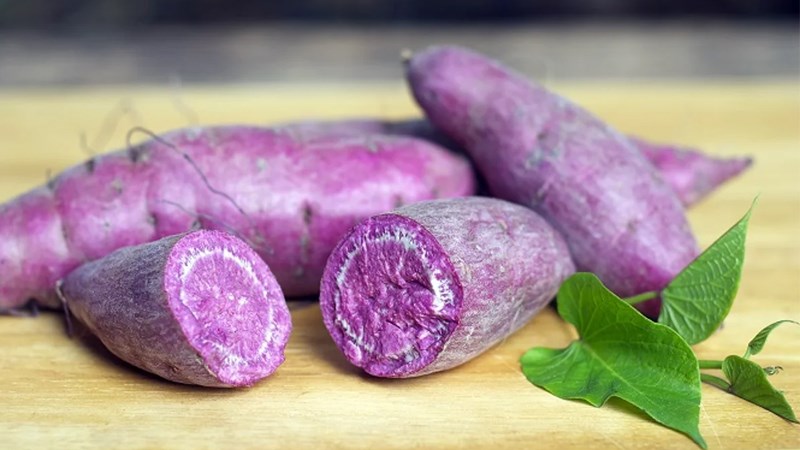
Purple potatoes belong to several varieties of potatoes that naturally produce large amounts of anthocyanins.
Unlike food coloring or artificial dyes, anthocyanins are naturally occurring flavonoid compounds found in many colorful fruits and vegetables.
These compounds are responsible for the purple, blue, and red colors seen in foods such as:
Blueberries
Blackberries
Purple grapes
Red cabbage
Black rice
Purple sweet potatoes
Purple corn
Purple potatoes
The darker the color, the higher the concentration of anthocyanins is often likely to be, although this varies by variety.
Anthocyanins belong to a larger family of plant compounds called polyphenols.
Plants produce these compounds as part of their natural defense system against:
Sunlight
Insects
Environmental stress
Disease
When humans eat anthocyanin-rich foods, these compounds may contribute to health through several biological mechanisms.
Researchers have studied anthocyanins for their potential roles in:
Antioxidant activity
Healthy inflammatory responses
Blood vessel function
Brain health
Heart health
Metabolic health
Research continues to evolve, and many questions remain.
The colon, also called the large intestine, plays several essential roles.
It helps:
Absorb water
Process waste
Support beneficial gut bacteria
Maintain digestive health
Colorectal cancer is one of the most commonly diagnosed cancers worldwide.
Fortunately, many cases may be prevented or detected early through:
Healthy lifestyle habits
Regular screening
Colonoscopy when recommended
Stool-based screening tests
Diet is one factor that researchers continue to study because of its influence on long-term colon health.
Scientists have investigated whether compounds found in purple potatoes may influence biological processes involved in colon cancer development.
One frequently cited study found that anthocyanin-rich purple potatoes appeared to reduce tumor formation in laboratory animals.
Researchers proposed several possible explanations, including effects on:
Oxidative stress
Inflammation
Cell signaling
Colon cancer stem cells
However, it's critical to understand that results observed in animals do not necessarily predict what will happen in humans.
Human clinical trials are needed before firm conclusions can be made.
Cancer stem cells are a small group of cells within some tumors that researchers believe may contribute to:
Tumor growth
Resistance to treatment
Cancer recurrence
Scientists are actively studying these cells because understanding how they behave may eventually lead to improved therapies.
Laboratory research has explored whether certain plant compounds—including anthocyanins—might influence these cells under experimental conditions.
These findings are exciting but remain an area of ongoing investigation rather than established clinical practice.
Every day, your body naturally produces unstable molecules known as free radicals.
Environmental factors such as:
Air pollution
Smoking
Ultraviolet radiation
Chronic inflammation
may increase oxidative stress.
Antioxidants help neutralize these unstable molecules.
Purple potatoes contain anthocyanins that contribute antioxidant activity.
However, it's important to remember that antioxidants work best as part of an overall healthy diet rich in a variety of colorful plant foods.
Inflammation is a normal part of the body's immune response.
Acute inflammation helps fight infection and repair injuries.
Long-term, persistent inflammation, however, has been associated with numerous chronic diseases.
Laboratory studies suggest anthocyanins may influence certain inflammatory pathways.
Researchers continue studying these effects in humans.
Eating anthocyanin-rich foods is one practical way to increase intake of naturally occurring plant compounds associated with healthy dietary patterns.
Your digestive tract contains trillions of microorganisms collectively known as the gut microbiome.
These bacteria help:
Digest food
Produce certain vitamins
Support immune function
Maintain the intestinal barrier
Researchers are exploring whether anthocyanins may interact with beneficial gut bacteria.
Some studies suggest these compounds may:
Serve as fuel for certain microbes
Be transformed into additional beneficial compounds by gut bacteria
The relationship between dietary polyphenols and the microbiome remains an exciting area of research.
All potatoes provide valuable nutrients.
White potatoes contain:
Potassium
Vitamin C
Vitamin B6
Fiber (especially with the skin)
Purple potatoes contain many of these same nutrients but also provide higher levels of anthocyanins.
That doesn't necessarily mean they are universally "better."
Rather, they offer additional plant compounds that may contribute to dietary diversity.
Besides anthocyanins, purple potatoes provide:
Especially when eaten with the skin.
Fiber supports:
Digestive health
Healthy bowel movements
Beneficial gut bacteria
Vitamin C contributes to:
Immune function
Collagen production
Antioxidant protection
Potassium helps support:
Muscle function
Nerve function
Healthy blood pressure
People with advanced kidney disease should follow individualized advice regarding potassium intake.
Vitamin B6 supports:
Protein metabolism
Brain function
Red blood cell production
Like all potatoes, purple potatoes contain carbohydrates.
Cooking method, portion size, and what you eat alongside them all influence blood sugar response.
Pairing potatoes with:
Lean protein
Healthy fats
Non-starchy vegetables
may help create a more balanced meal.
People with diabetes can often include potatoes in moderation as part of an individualized meal plan.
Cooking methods may affect nutrient retention.
Steaming, baking, and microwaving generally preserve more nutrients than prolonged boiling.
Healthier preparation methods include:
Roasting with olive oil
Steaming
Baking
Air frying
Limit excessive additions such as:
Butter
Heavy cream
Large amounts of salt
This is one of the most important questions.
The answer is:
There is currently no evidence that eating purple potatoes alone prevents cancer.
Cancer is a complex disease influenced by many factors, including:
Genetics
Age
Smoking
Alcohol use
Body weight
Physical activity
Environmental exposures
Overall dietary pattern
No single food can eliminate cancer risk.
Purple potatoes should be viewed as one nutritious food—not a medical treatment.

If you want to increase anthocyanin intake, include a variety of colorful foods such as:
Blueberries
Blackberries
Cherries
Purple grapes
Black currants
Purple cabbage
Eggplant
Black rice
Purple corn
Dietary variety provides a wider range of beneficial plant compounds.
Nutrition is only one piece of the puzzle.
Evidence suggests colon health also benefits from:
Choose:
Whole grains
Beans
Fruits
Vegetables
Exercise supports digestive health and overall well-being.
Excess body weight is associated with an increased risk of several cancers, including colorectal cancer.
High consumption of processed meats has been linked to an increased risk of colorectal cancer.
Smoking affects nearly every organ, including the digestive system.
Heavy alcohol consumption is associated with several cancers, including colorectal cancer.
One of the most effective ways to reduce deaths from colorectal cancer is through recommended screening.
Depending on age and individual risk, screening may include:
Colonoscopy
Stool-based tests
Flexible sigmoidoscopy
CT colonography
Follow the screening recommendations provided by your healthcare provider or local health authorities.
Purple potatoes can be a nutritious choice for many people looking to increase their intake of:
Vegetables
Fiber
Potassium
Vitamin C
Naturally occurring antioxidants
However, individuals with certain medical conditions, such as advanced kidney disease or those following carbohydrate-controlled diets, should discuss portion sizes with their healthcare provider or a registered dietitian.
False.
No food has been proven to cure cancer.
A balanced diet with a wide variety of colorful fruits and vegetables is generally more beneficial than focusing on a single "superfood."
False.
White potatoes can also be part of a healthy diet when prepared in nutritious ways and eaten in appropriate portions.
Many affordable foods—such as beans, oats, apples, broccoli, carrots, and regular potatoes—can support digestive health as part of a balanced eating pattern.
Purple potatoes are a colorful, nutrient-rich vegetable that provides fiber, vitamin C, potassium, vitamin B6, and anthocyanins. Laboratory and animal research suggests that anthocyanins may influence biological processes related to colon health, including pathways involved in oxidative stress, inflammation, and cancer cell behavior.
However, these findings should not be interpreted to mean that purple potatoes prevent or treat colorectal cancer in humans. More high-quality human studies are needed before such conclusions can be made.
Purple potatoes are much more than a visually striking side dish. Their rich color reflects the presence of anthocyanins—natural plant compounds that continue to attract scientific interest for their potential health benefits. Including purple potatoes as part of a varied, plant-rich diet can help increase your intake of beneficial nutrients and antioxidants while adding diversity to your meals.
At the same time, maintaining a healthy colon involves much more than eating one particular food. Regular physical activity, a fiber-rich diet, limiting processed meats and alcohol, avoiding tobacco, maintaining a healthy weight, and participating in recommended colorectal cancer screening remain the most evidence-based strategies for supporting long-term colon health.
Rather than relying on any single "superfood," focus on building a balanced eating pattern that includes a wide range of colorful fruits, vegetables, whole grains, legumes, and healthy protein sources. Small, consistent choices over time have the greatest impact on overall health.
Understanding Fatty Liver: What Causes It and How It's Managed
Are Eggs Good for You Every Day? Here's What Science Suggests

During the latest heat wave in France, more than 70 people died from drowning as many sought relief from extreme heat. Jumping into a lake or river might seem like the perfect way to cool off during a heat wave. But even when the air feels hot, the wat
Don't Ignore These 8 Persistent Stomach Symptoms
Although not scientifically conclusive, regularly consuming spicy foods could lower your blood pressure through vasodilation and/or by diminishing cravings for salty foods. That said, keep in mind that spicy foods can cause side effects or aggravate under
What Natural Approaches May Help Support Recovery From H. pylori?

Talking causes a temporary, immediate increase in your blood pressure. The good news is that by learning about factors, such as talking, that can lead to false blood pressure readings, you can take the necessary steps to ensure accurate, reliable measurem

Coffee isn’t the only thing that can affect your blood pressure in the morning. Habits like poor sleep, dehydration, stress, and smoking can also cause your numbers to rise, especially during the first few hours after walking.

Managing high blood pressure (hypertension) typically involves a combination of medication and dietary changes. One dietary change that can have a dramatically positive impact on your blood pressure control is avoiding or restricting sugary drinks, caffei

If you drink coffee, the timing may affect your alertness and sleep, and could cause anxiety or jitteriness. It’s important to be mindful of the least helpful and worst times to consume coffee so you can avoid coffee’s potential disruptions while taki
Stop eating for the day at least two to three hours before bedtime. This gives your body time to digest and get ready for sleep and can help limit negative affects on sleep quality, blood sugar levels, and weight
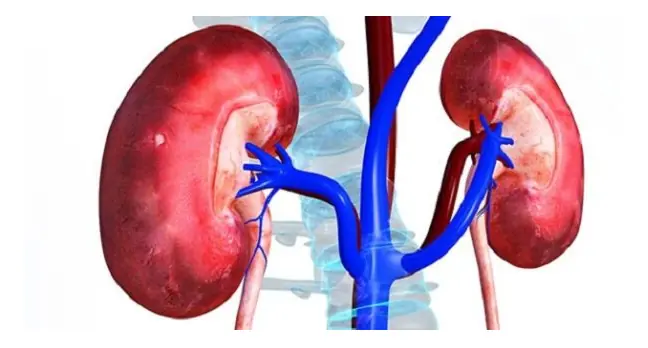
What Your Kidneys May Be Trying to Tell You: Early Signs and Protective Habits
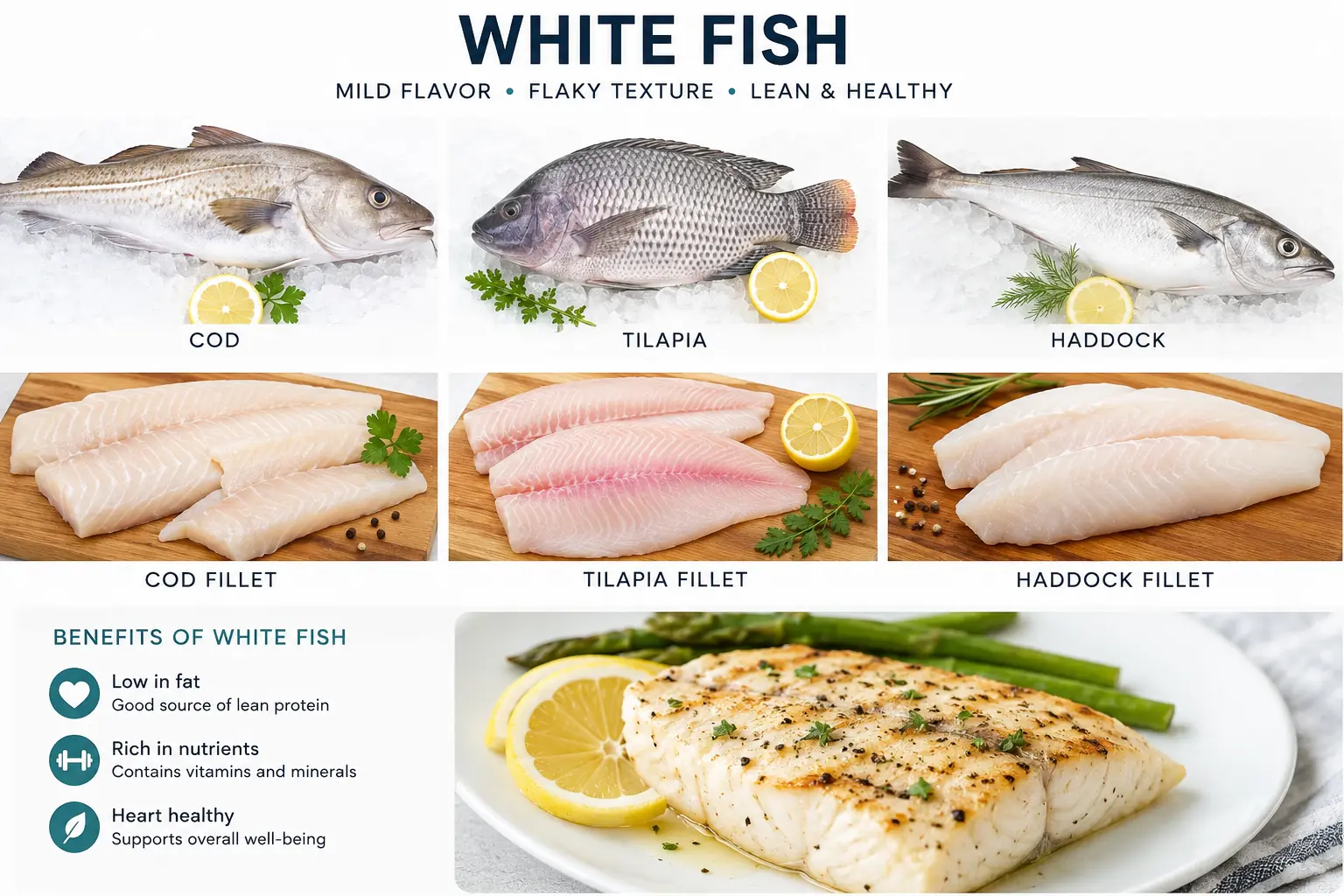
Boost your protein intake and cut calories with these 22 nutritious foods that keep you full without extra calories. Whether you’re on a weight loss journey or crafting a balanced meal plan, each option—from chicken breast to Greek yogurt—is packed

Gout Flares Keep Returning? These 6 Everyday Foods May Be Contributing
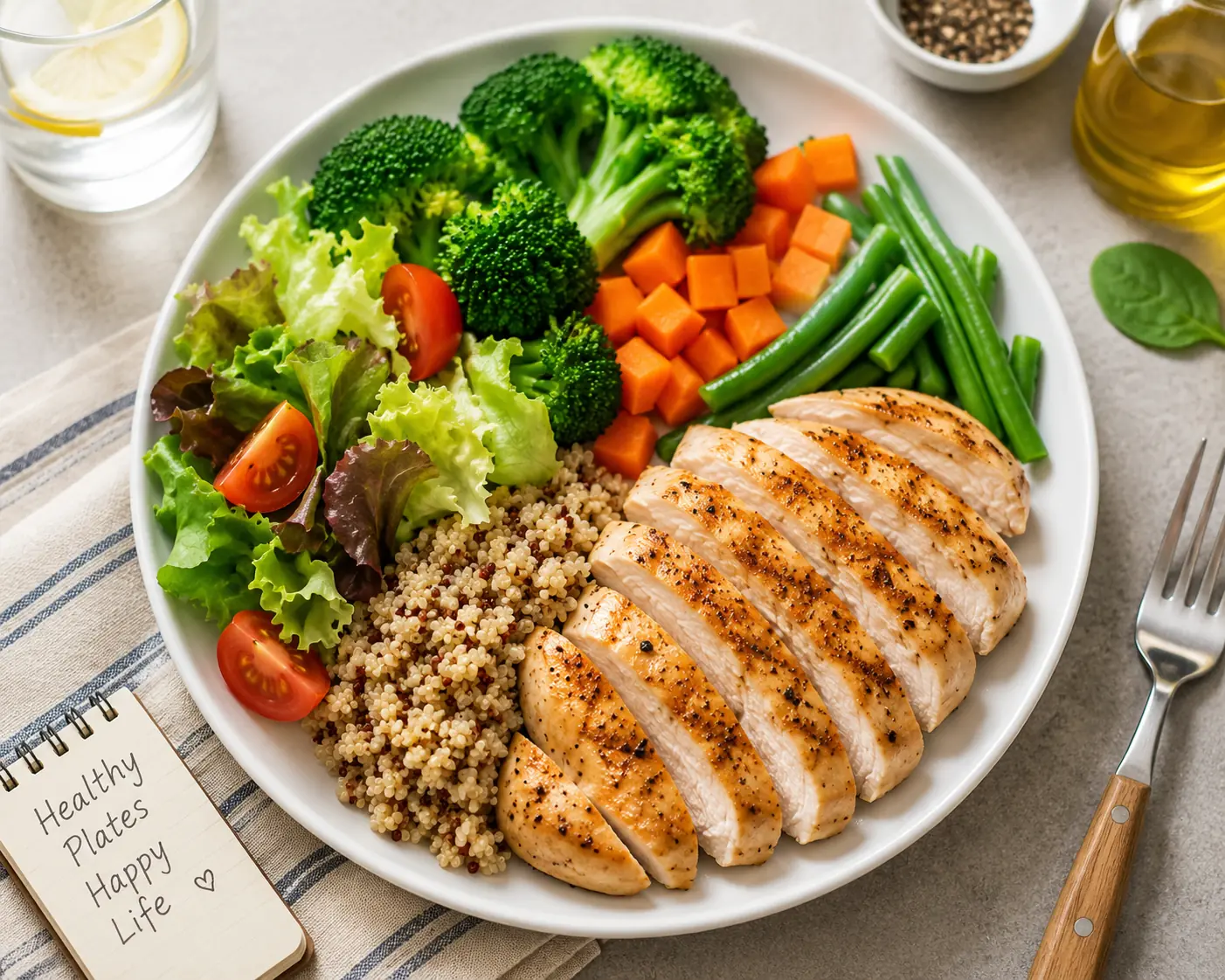
Protein is crucial for maintaining a healthy and well-functioning body. It plays a role in virtually every bodily process, from building and repairing tissues to fueling metabolism and regulating the body’s numerous biochemical reactions.
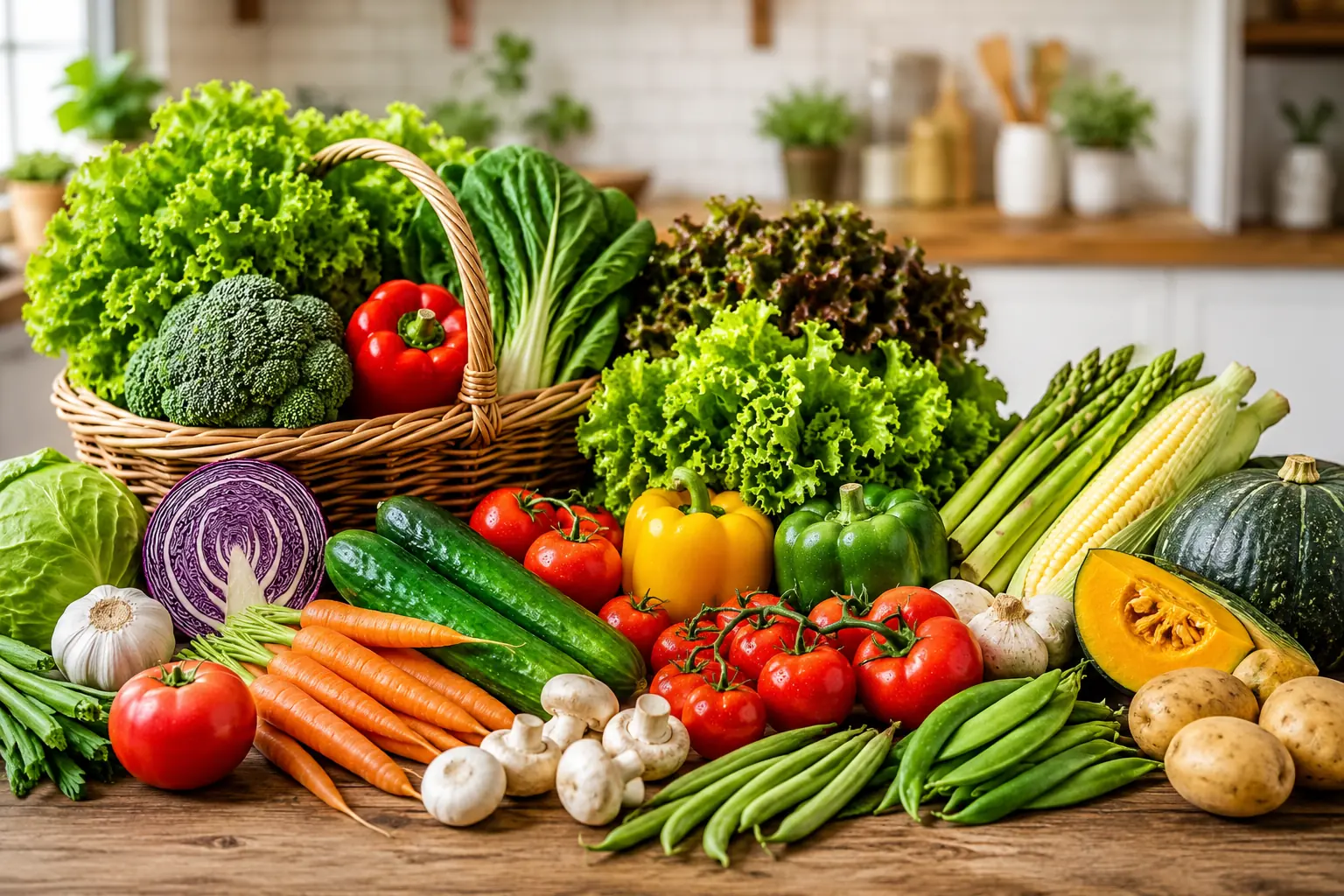
Washing fresh produce under cold running water can help reduce dirt and germs, but it can’t guarantee removal of parasites like Cyclospora.

A good night’s sleep is just as important for your health as regular physical activity and a healthy diet.

This Easy Morning Routine Has Become Popular for a Reason

Being mindful of your negative news habit can help you bring it to an end.
The Fascinating Household Uses of Lemons Sprinkled With Salt


“A famous actor flew 11 hours just to have coffee with a woman he had met only once.”


In the sterile, fluorescent-lit corridors of a hospital maternity ward, families are supposed to gather in quiet anticipation and mutual support. Yet, beneath the veneer of polite society, some family dynamics harbor toxic depths capable of erupting into


In the sterile, fluorescent-lit corridors of a hospital maternity ward, families are supposed to gather in quiet anticipation of new life. But for one young couple, the arrival of their child was overshadowed by a horrifying flash of domestic violence—a

Power in the imperial court has always been measured by cruelty, arrogance, and the callous dismissal of those deemed beneath notice. In an empire where nobility is worn like shining armor, the true measure of a soul is often revealed in the darkest corne

In the quiet corners of folklore and oral history, some truths refuse to remain buried beneath the dust of time. A captivating new narrative chronicle, titled "The Forgotten Flag Woke When Elara Spoke," has taken readers by storm, pulling them into a haun


Keep Your Electronics Safe: What to Unplug When Thunderstorms Are Forecast

One crying baby changed five broken lives
Understanding Fatty Liver: What Causes It and How It's Managed

The Family That Stayed
Are Eggs Good for You Every Day? Here's What Science Suggests

The Meaning Behind a Man Wearing One Painted Fingernail May Surprise You
During the latest heat wave in France, more than 70 people died from drowning as many sought relief from extreme heat. Jumping into a lake or river might seem like the perfect way to cool off during a heat wave. But even when the air feels hot, the wat
Don't Ignore These 8 Persistent Stomach Symptoms
Although not scientifically conclusive, regularly consuming spicy foods could lower your blood pressure through vasodilation and/or by diminishing cravings for salty foods. That said, keep in mind that spicy foods can cause side effects or aggravate under
What Natural Approaches May Help Support Recovery From H. pylori?
Talking causes a temporary, immediate increase in your blood pressure. The good news is that by learning about factors, such as talking, that can lead to false blood pressure readings, you can take the necessary steps to ensure accurate, reliable measurem