🧠❤️ The Mind-Body Connection: How Your Emotions May Affect Your Physical Health
Most people think of the mind and body as separate parts of who we are. However, growing scientific evidence suggests that our thoughts, feelings, and emotions are closely linked to our physical health. The way we feel emotionally can influence how our bodies function, while physical health problems can also affect our emotional well-being.
This powerful relationship is often called the mind-body connection—and understanding it may help us take better care of both our mental and physical health.
What Is the Mind-Body Connection?
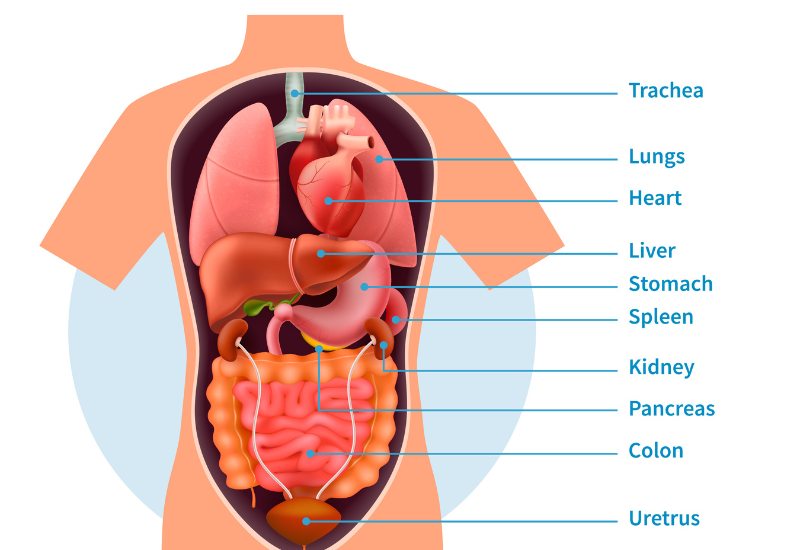
The mind-body connection refers to the complex communication network between the brain, nervous system, hormones, immune system, and the rest of the body.
Have you ever noticed your heart racing before an important presentation? Or felt "butterflies" in your stomach when you're nervous? These common experiences are examples of emotions producing real physical responses.
Your brain constantly sends signals throughout your body. When emotions become intense or prolonged, those signals can affect various bodily systems, including the cardiovascular, digestive, immune, and endocrine systems.
Stress: One of the Most Powerful Physical Influencers
Stress is a natural response designed to help us survive challenges. During stressful situations, the body releases hormones such as cortisol and adrenaline. These hormones temporarily increase alertness, heart rate, and energy levels.
While short-term stress can be helpful, chronic stress may place significant strain on the body.
Research has linked long-term stress to:
- High blood pressure
- Increased risk of heart disease
- Weakened immune function
- Digestive problems
- Sleep disturbances
- Frequent headaches
- Muscle tension and chronic pain
When stress becomes a constant companion, the body remains in a heightened state of alertness, which can gradually wear down multiple systems.
How Anxiety Can Affect the Body
Anxiety is more than a feeling of worry. It often produces physical symptoms that can be surprisingly intense.
People experiencing ongoing anxiety may notice:
- Rapid heartbeat
- Shortness of breath
- Sweating
- Dizziness
- Upset stomach
- Digestive discomfort
- Muscle tension
- Trouble sleeping
The body reacts to anxiety as if a threat is present, even when no immediate danger exists. Over time, this constant "fight-or-flight" response may contribute to physical exhaustion and discomfort.
The Physical Effects of Depression
Depression is commonly viewed as an emotional condition, but its effects extend far beyond mood.
Many individuals with depression experience physical symptoms such as:
- Persistent fatigue
- Changes in appetite
- Sleep problems
- Headaches
- Body aches
- Reduced energy levels
Some studies suggest that depression may also be associated with increased inflammation in the body and may contribute to a higher risk of chronic health conditions.
This helps explain why depression often affects the entire person—not just their emotional state.
Anger and Hostility May Impact Heart Health
Everyone experiences anger occasionally. However, chronic anger, resentment, or hostility may place extra stress on the cardiovascular system.
When anger occurs, the body releases stress hormones that temporarily increase blood pressure and heart rate. Frequent episodes may contribute to ongoing cardiovascular strain.
Some researchers have observed links between chronic hostility and a greater risk of hypertension and heart-related problems.
Learning healthy ways to process and express anger may therefore benefit both emotional and physical health.
Your Immune System Listens to Your Emotions

Scientists studying the field of psychoneuroimmunology have discovered fascinating connections between emotions and immune function.
Periods of prolonged emotional distress may weaken immune defenses, potentially making individuals more susceptible to infections.
Many people have noticed that they seem to catch a cold after a particularly stressful life event. While many factors contribute to illness, emotional stress may play a role in reducing the body's ability to respond effectively to pathogens.
On the other hand, positive emotional states may support healthier immune responses and overall resilience.
The Body Also Influences the Mind
The relationship works both ways.
Physical health challenges can significantly affect emotional well-being. Chronic pain, sleep disorders, injuries, and long-term illnesses often increase the risk of anxiety, frustration, sadness, and depression.
For example:
- Chronic pain can lead to emotional exhaustion.
- Poor sleep may increase irritability and anxiety.
- Ongoing illness can contribute to feelings of helplessness or stress.
This two-way communication explains why treating only physical symptoms or only emotional symptoms may not always address the whole problem.
Positive Emotions Matter Too
The mind-body connection isn't only about negative emotions.
Positive emotions such as gratitude, joy, hope, and optimism may provide meaningful health benefits.
Research suggests that positive emotional states may be associated with:
- Lower stress levels
- Better cardiovascular health
- Improved immune function
- Better sleep quality
- Healthier lifestyle choices
People who maintain strong social connections and a positive outlook often report higher levels of overall well-being.
Supporting a Healthy Mind-Body Connection
Fortunately, there are practical ways to strengthen the relationship between emotional and physical health:
Practice Mindfulness
Mindfulness techniques encourage awareness of thoughts and emotions without judgment. Many people find that mindfulness helps reduce stress and improve emotional regulation.
Stay Physically Active
Regular exercise benefits both body and mind. Physical activity can reduce stress hormones while increasing endorphins, often referred to as the body's natural "feel-good" chemicals.
Prioritize Sleep
Quality sleep supports emotional stability, immune function, and physical recovery.
Maintain Social Connections
Strong relationships provide emotional support and can help buffer the effects of stress.
Express Your Feelings
Talking with trusted friends, family members, or mental health professionals can help prevent emotions from becoming overwhelming.
Eat a Balanced Diet
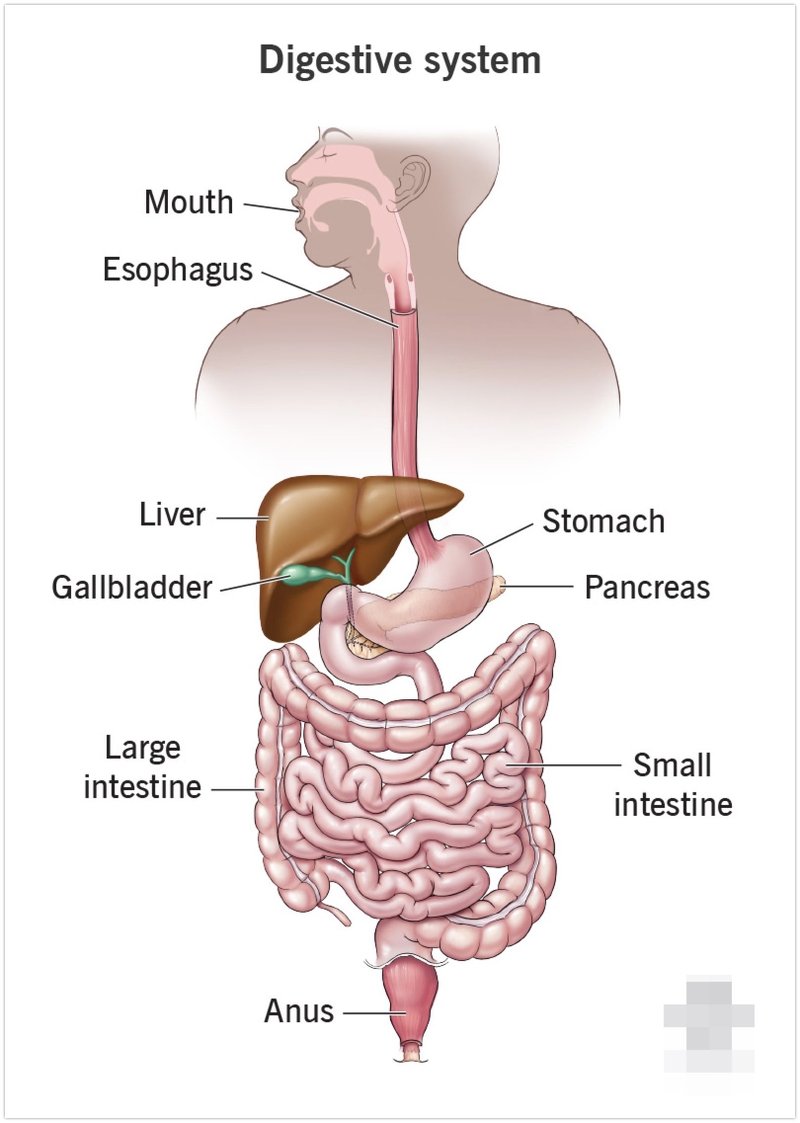
Nutritious foods provide the brain and body with the nutrients needed to function effectively.
The Bottom Line
Your emotions are not confined to your mind. They can influence your heart, immune system, digestion, sleep, and overall physical well-being. At the same time, your body's condition can shape your mood, thoughts, and emotional resilience.
The mind and body are deeply connected, constantly communicating in ways that scientists continue to explore. By caring for both your emotional and physical health, you may improve your overall quality of life and create a stronger foundation for long-term wellness.
A healthy mind supports a healthy body—and a healthy body can help support a healthier, happier mind.