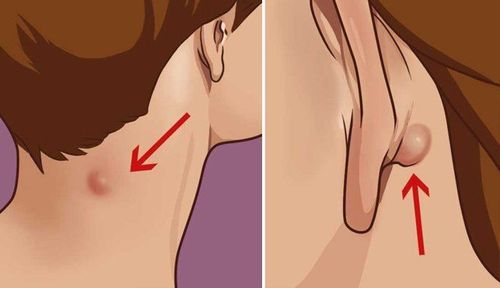
Sebaceous cysts are common, usually harmless lumps that form beneath the skin. They often appear on the face, neck, scalp, or back and can persist for months or even years without causing major issues. Medically, they’re often referred to as Epidermoid Cyst, though many people still use the term “sebaceous cyst.”
While they’re typically non-cancerous, understanding what causes them—and how to manage them safely at home—can help prevent discomfort and complications.
What Is a Sebaceous (Epidermoid) Cyst?
A sebaceous cyst is a closed sac under the skin filled with keratin—a soft, cheese-like material. These cysts often grow slowly and may have a visible central نقط (tiny opening).
Typical characteristics:
- Round, movable lump under the skin
- Usually painless unless infected
- May release a thick, white or yellow substance

Main Causes of Sebaceous Cysts
1. Blocked Hair Follicles or Oil Glands
The most common cause is a blockage in the skin’s natural drainage system. When oil (sebum) or dead skin cells can’t escape, they accumulate and form a cyst.
2. Skin Trauma or Damage
Injuries such as:
- Cuts
- Surgical wounds
- Severe acne
can damage follicles and trap cells beneath the skin, leading to cyst formation.
3. Hormonal Changes
Hormonal fluctuations can increase oil production, especially during:
- Puberty
- Stress
- Certain medical conditions
This raises the likelihood of blocked pores.
4. Genetic Factors
Some people are more prone due to inherited skin conditions or tendencies toward cyst formation.
5. Poor Skin Hygiene (Indirect Factor)
While not a direct cause, lack of proper cleansing can contribute to clogged pores and increase risk.
When a Cyst Becomes a Problem
Most cysts are harmless—but watch for signs of infection:
- Redness and swelling
- Pain or tenderness
- Warmth around the area
- Pus or foul-smelling discharge
Infected cysts may require medical treatment.

Safe Home Remedies to Manage Sebaceous Cysts
Important: Home remedies can help reduce discomfort or inflammation—but they do not always remove the cyst completely.
1. Warm Compress
How it helps:
- Improves blood flow
- Encourages drainage
- Reduces inflammation
How to use:
- Apply warm (not hot) cloth for 10–15 minutes
- Repeat 2–3 times daily
2. Tea Tree Oil
Properties:
- Antibacterial
- Anti-inflammatory
Use:
- Dilute with carrier oil
- Apply gently to the area
3. Aloe Vera
Benefits:
- Soothes irritation
- Reduces redness
Apply fresh gel directly to the cyst.
4. Apple Cider Vinegar (Use Carefully)
Why it works:
- Mild antimicrobial effect
Caution:
- Always dilute
- Avoid broken or sensitive skin
5. Proper Hygiene
- Keep the area clean
- Avoid heavy oils or pore-clogging products
- Use gentle cleansers
What NOT to Do
This is critical.
Never:
- Squeeze or pop the cyst
- Use sharp objects to drain it
- Apply harsh chemicals
Doing so can:
- Cause infection
- Push contents deeper
- Lead to scarring
When to See a Doctor
Seek medical help if:
- The cyst grows rapidly
- It becomes painful or infected
- It keeps coming back
- It interferes with daily life
Doctors may treat it through:
- Drainage
- Minor surgical removal (most effective long-term solution)
Final Take
Sebaceous cysts are common and usually harmless, but they shouldn’t be ignored if they change or become uncomfortable.
Home remedies can:
- Reduce inflammation
- Improve comfort
- Support natural healing
But they are management tools - not permanent cures.
The key is knowing when to treat gently at home and when to seek professional care.
Because with skin conditions, the right approach early on prevents bigger problems later.