Sebaceous Cysts: Main Causes and How to Treat Them with Home Remedies
Sebaceous cysts are common, noncancerous lumps that develop under the skin. Although they are usually harmless, they can sometimes become uncomfortable or infected. Understanding their causes and how to manage them at home can help you deal with them safely.
What Are Sebaceous Cysts?
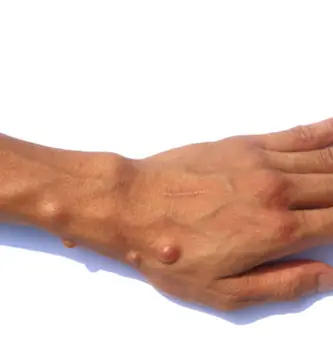
Sebaceous cysts (more accurately called epidermoid or pilar cysts) are slow-growing bumps beneath the skin. They are typically filled with keratin, a soft, cheese-like substance.
They often appear on the face, neck, scalp, or torso and are usually painless unless inflamed or infected.
Main Causes of Sebaceous Cysts
Doctors identify several common causes:
1. Blocked Hair Follicles
When hair follicles become blocked or damaged, keratin can build up under the skin, forming a cyst.
2. Skin Trauma
Injuries or irritation to the skin may trigger cyst formation.
3. Hormonal Changes
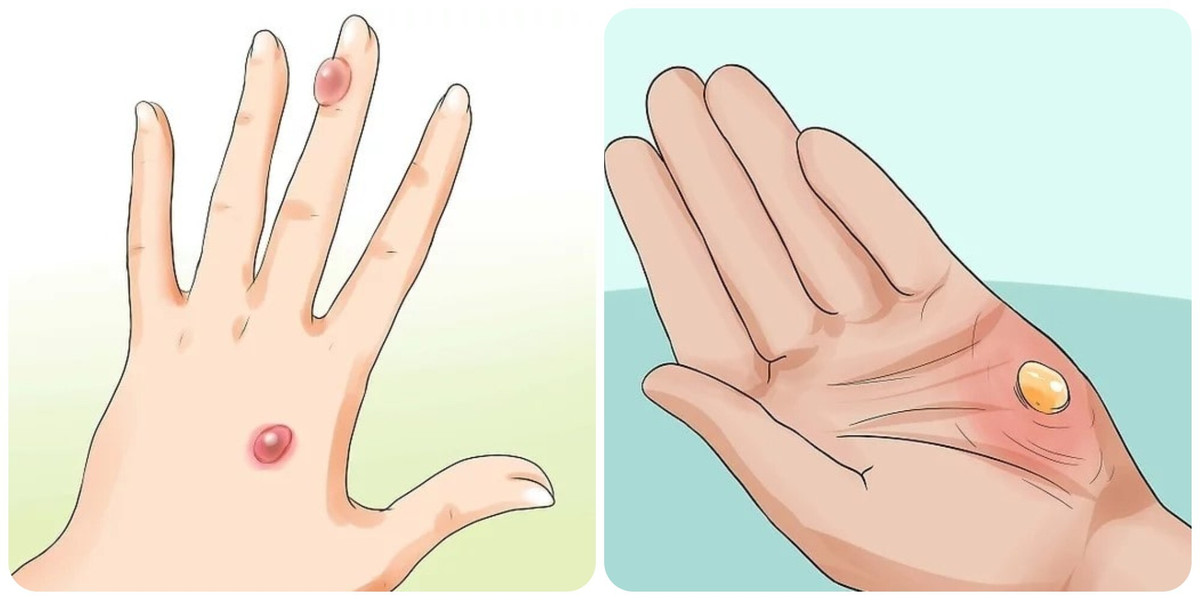
Hormonal fluctuations can increase oil production, raising the likelihood of cyst development.
4. Genetic Conditions
Certain inherited conditions can make some people more prone to developing cysts.
Symptoms to Watch For
- A small, round lump under the skin
- A visible central opening (blackhead-like spot)
- Foul-smelling discharge if the cyst drains
- Redness, swelling, or pain (if infected)
Home Remedies for Sebaceous Cysts
While medical treatment is sometimes necessary, mild cases can be managed at home:
1. Warm Compress
Applying a warm compress for 10–15 minutes several times a day can help the cyst drain naturally and reduce discomfort.
2. Tea Tree Oil
Known for its antibacterial properties, diluted tea tree oil may help reduce inflammation and prevent infection.
3. Aloe Vera
Aloe vera has soothing and anti-inflammatory effects that may help calm irritated skin.
4. Apple Cider Vinegar
Its antimicrobial properties may help reduce bacteria, but it should always be diluted to avoid skin irritation.
Important Warning ⚠️
- Do not squeeze or pop the cyst, as this can lead to infection or scarring.
- Seek medical care if the cyst becomes painful, rapidly grows, or shows signs of infection.
When to See a Doctor
Consult a healthcare professional if:
- The cyst is painful or inflamed
- It keeps coming back
- It interferes with daily activities
- You are unsure whether it is a cyst or another condition
Doctors may recommend drainage or minor surgical removal if needed.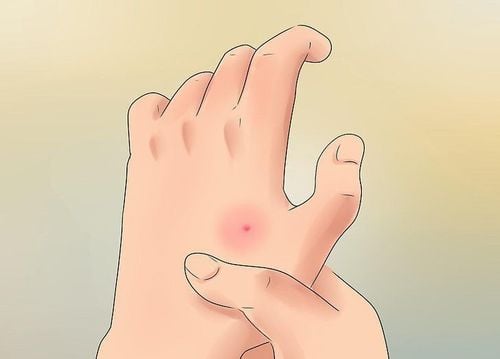
Conclusion
Sebaceous cysts are generally harmless but can be bothersome. Simple home remedies like warm compresses and natural anti-inflammatory treatments may help in mild cases. However, proper medical care is essential if complications arise.
Sources
- Mayo Clinic – “Epidermoid cysts”
- Cleveland Clinic – “Sebaceous Cysts”
- American Academy of Dermatology (AAD)
- NHS (UK) – “Skin cysts”