A small lump under the skin can be surprisingly worrying, especially when it appears seemingly out of nowhere. One common type of skin lump is often called a sebaceous cyst.
These cysts are usually harmless and may remain small and painless for months or even years. Sometimes, however, they can become swollen, tender, red, or infected and require medical attention.
Although the term "sebaceous cyst" is widely used, many of these lumps are technically epidermoid cysts, which form from cells of the epidermis rather than directly from sebaceous glands.
Understanding what causes these cysts, what they look like, and how to care for them can help you avoid unnecessary irritation—and recognize when professional treatment is appropriate.

What Is a Sebaceous Cyst?
A sebaceous cyst is a closed sac beneath the skin that contains fluid or a thick, sometimes cheese-like material.
Many lumps referred to as sebaceous cysts are actually epidermoid cysts. These develop when skin cells move deeper into the skin instead of being shed normally at the surface.
The cyst can gradually fill with keratin, a protein found in skin, hair, and nails.
They may occur almost anywhere but are commonly found on:
-
The face
-
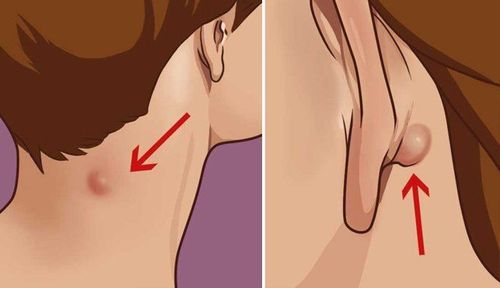
Neck
-
Chest
-
Back
-
Scalp
-
Groin
-
Upper arms
Most are slow-growing and benign.
What Does a Sebaceous Cyst Look and Feel Like?
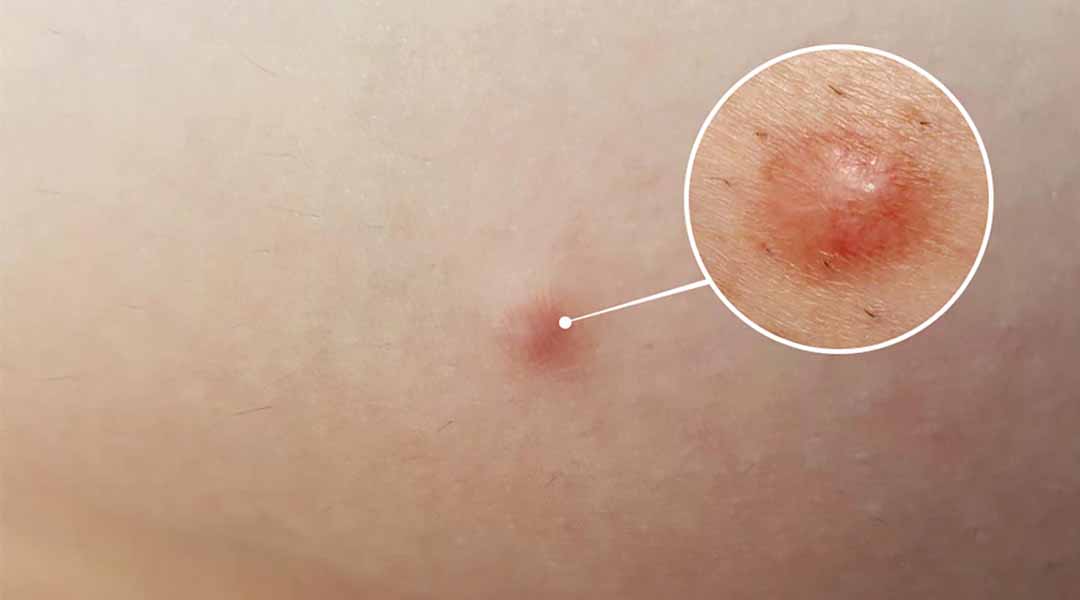
A typical cyst may appear as:
-
A round or oval lump beneath the skin
-
A smooth, dome-shaped bump
-
A flesh-colored or slightly yellowish swelling
-
A lump that moves slightly when touched
-
A small central opening or dark spot in some cases
The cyst may be only a few millimeters across or several centimeters in diameter.
Many cysts don't cause pain.
However, if inflammation or infection develops, the area can become:
-
Red
-
Warm
-
Swollen
-
Tender
-
Painful
What Causes Sebaceous Cysts?
Several factors can contribute to cyst formation.
1. Blocked or Damaged Skin Structures
Epidermoid cysts can form when skin cells become trapped beneath the surface.
Instead of naturally shedding, these cells continue producing keratin inside the cyst.
Over time, the material accumulates and the lump becomes larger.
2. Skin Injuries
Trauma to the skin can sometimes contribute to the development of an epidermoid cyst.
For example, a cyst may develop after:
-
A cut
-
A puncture
-
Significant irritation
-
Another type of skin injury
The injury can disrupt normal skin-cell positioning and potentially contribute to cyst formation.
3. Acne and Blocked Pores
People who experience acne may develop certain types of cysts or skin lesions.
However, not every bump associated with acne is a sebaceous or epidermoid cyst.
Persistent or unusual lumps should be evaluated rather than diagnosed based solely on appearance.
4. Genetic Factors
Some people are more prone to developing cysts because of inherited conditions or genetic tendencies.
Certain rare syndromes can cause multiple epidermoid cysts.
If you repeatedly develop numerous cysts, particularly if several family members have similar lumps, mention this to your healthcare professional.
Are Sebaceous Cysts Dangerous?
Most are benign, meaning they are not cancerous.
A typical cyst does not automatically represent a serious health problem.
However, there are several reasons a cyst may need medical attention.
It can:
-
Become infected
-
Rupture
-
Become painful
-
Grow rapidly
-
Interfere with movement or daily activities
-
Repeatedly return
And importantly, not every lump under the skin is a cyst.
A new or changing lump should be examined if its diagnosis is uncertain.
What Happens When a Cyst Becomes Inflamed?
Sometimes a cyst becomes red and painful even when there is no bacterial infection.
This can happen when the cyst wall ruptures and keratin leaks into the surrounding tissue.
The immune system reacts to the material, producing inflammation.
The result can look similar to an infection:
-
Redness
-
Swelling
-
Tenderness
-
Warmth
This distinction matters because treatment depends on the underlying cause.
What If the Cyst Becomes Infected?
A cyst can also develop a true bacterial infection.
Signs may include:
-
Increasing redness
-
Significant warmth
-
Worsening pain
-
Pus or drainage
-
Rapid swelling
-
Fever
If these symptoms occur, don't rely solely on home remedies.
A healthcare professional may need to determine whether the cyst requires drainage, antibiotics, or another treatment.
Can You Treat a Sebaceous Cyst Naturally at Home?
This is where caution is important.
There is no proven home remedy that reliably removes the cyst capsule.
Some small, uncomplicated cysts can simply be monitored.
If a cyst is not painful, infected, or rapidly changing, a doctor may recommend observation.
Home care is mainly about avoiding irritation and keeping the area clean, rather than trying to destroy or squeeze the cyst.
1. Keep the Area Clean
Gently wash the skin with mild soap and water.
You don't need aggressive scrubbing.
Avoid repeatedly rubbing or exfoliating the cyst because irritation can cause inflammation.
After washing, gently pat the area dry.
2. Try a Warm Compress
A warm, clean compress may provide temporary comfort if the cyst is mildly irritated.
You can:
-
Use a clean washcloth.
-
Soak it in comfortably warm water.
-
Wring out excess water.
-
Apply it gently to the area for several minutes.
-
Repeat as needed.
The water should be warm rather than extremely hot.
A warm compress may encourage natural drainage in some superficial lesions and can help relieve discomfort, but it does not guarantee that the cyst will disappear.
3. Don't Squeeze It
This is one of the most important rules.
It can be tempting to squeeze a cyst when you see a visible bump or central opening.
But squeezing can:
-
Push material deeper into surrounding tissue
-
Increase inflammation
-
Introduce bacteria
-
Cause infection
-
Rupture the cyst wall
-
Increase scarring
-
Make future treatment more difficult
Even if material comes out, the cyst capsule may remain underneath the skin.
That means the lump can come back.
4. Don't Pierce It With a Needle
Trying to puncture a cyst at home is risky.
A needle or sharp object can introduce bacteria and cause an abscess or deeper infection.
It can also damage surrounding tissue and leave a scar.
Professional drainage is performed using appropriate sterile technique and assessment of the lesion.
5. Be Careful With Essential Oils
Online sources sometimes recommend tea tree oil, apple cider vinegar, garlic, or other substances for cysts.
There is not strong clinical evidence that these remedies eliminate epidermoid cysts.
Applying concentrated substances to irritated skin can cause:
-
Chemical burns
-
Contact dermatitis
-
Redness
-
Increased inflammation
Natural doesn't automatically mean harmless.
If a cyst is persistent, professional evaluation is safer than experimenting with harsh substances.
Can a Sebaceous Cyst Go Away on Its Own?
Sometimes a cyst may shrink or drain spontaneously.
But the cyst wall can remain beneath the skin.
As long as the capsule remains, the cyst may eventually refill.
Some cysts stay stable for years without causing problems.
Therefore, treatment isn't always necessary.
The decision depends on:
-
Size
-
Location
-
Symptoms
-
Infection
-
Recurrence
-
Cosmetic concerns
-
Diagnostic uncertainty
What Is the Most Effective Treatment?
When a cyst is bothersome or repeatedly returns, the most definitive treatment is usually complete removal of the cyst and its capsule by a healthcare professional.
This is often performed as a minor procedure using local anesthesia.
The clinician may:
-
Clean the skin.
-
Numb the area.
-
Make a small incision.
-
Remove the cyst contents.
-
Remove the cyst wall when appropriate.
-
Close the wound if necessary.
Removing the entire capsule helps reduce the chance of recurrence.
Why Drainage Alone May Not Be Enough
Simply opening and draining a cyst can relieve pressure and inflammation.
But if the cyst capsule remains, the lesion may return.
That's why definitive removal generally involves addressing the entire cyst wall when medically appropriate.
However, if the cyst is acutely inflamed or infected, complete removal may sometimes be delayed until the inflammation settles.
A healthcare professional can determine the best approach.
What About Steroid Injections?
In some situations, a healthcare professional may inject a corticosteroid into an inflamed cyst to reduce swelling.
This isn't appropriate for every cyst.
If an actual bacterial infection is present, the treatment strategy may be different.
Don't attempt to treat an inflamed cyst with leftover medications or injections without medical advice.
When Should You See a Doctor?
It's a good idea to have a new or uncertain lump evaluated if:
-
You aren't sure what it is.
-
It grows rapidly.
-
It becomes painful.
-
The skin becomes red or hot.
-
It starts draining.
-
It repeatedly returns.
-
It interferes with daily activities.
-
It is unusually firm or fixed.
-
It changes in appearance.
A healthcare professional can often diagnose a typical cyst by examining it.
In some cases, imaging or a tissue examination may be needed.
Warning Signs That Need Prompt Attention
Seek medical care promptly if you develop:
Fever
Especially when accompanied by a painful, red lump.
Rapidly Increasing Swelling
A lump that suddenly becomes much larger should be evaluated.
Severe Pain
Significant pain isn't typical of a quiet, uncomplicated cyst.
Spreading Redness
Redness extending outward from the lump may indicate infection.
Pus or Foul-Smelling Drainage
This can be a sign of infection or rupture.
A Lump That Doesn't Behave Like a Typical Cyst
Any unusual or rapidly changing mass deserves professional assessment.
Can Sebaceous Cysts Be Prevented?
Not all cysts can be prevented.
However, general skin care can help reduce irritation.
Consider:
-
Keeping skin clean
-
Avoiding unnecessary picking
-
Treating acne appropriately
-
Protecting skin from repeated trauma
-
Avoiding aggressive squeezing of blocked pores
If you repeatedly develop cysts, ask a dermatologist whether there is an underlying condition contributing to them.
Sebaceous Cyst vs. Lipoma
Not every soft lump is a cyst.
A lipoma is a benign growth made primarily of fatty tissue.
Lipomas often feel:
-
Soft
-
Rubbery
-
Mobile beneath the skin
Cysts may feel more rounded and can sometimes have a central opening.
But these characteristics aren't enough to reliably diagnose a lump at home.
A healthcare professional can distinguish between common types of skin masses.
Sebaceous Cyst vs. Abscess
An abscess is a collection of pus caused by infection.
It may be:
-
Painful
-
Red
-
Warm
-
Swollen
-
Tender
A cyst can become infected and resemble an abscess, which is why the distinction isn't always obvious.
An abscess may require drainage and treatment.
If a lump becomes rapidly painful and swollen, don't attempt to drain it yourself.
Does Diet Cause Sebaceous Cysts?
There is no strong evidence that eating a particular food directly causes typical epidermoid cysts.
You may encounter claims that avoiding:
-
Sugar
-
Dairy
-
Gluten
-
Fatty foods
will make cysts disappear.
These claims aren't well supported as a general treatment for epidermoid cysts.
A balanced diet is important for overall skin and general health, but it shouldn't be presented as a guaranteed cure for cysts.
Do Hormones Cause Sebaceous Cysts?
Hormonal changes can influence many skin conditions, particularly acne and oil production.
However, typical epidermoid cysts are more directly associated with trapped skin cells and blocked or damaged skin structures.
If you notice repeated or unusual cyst formation, a dermatologist can help determine whether hormones or another underlying condition may be involved.
Can Stress Cause Sebaceous Cysts?
Stress can affect the skin in several ways, including acne, inflammation, and behaviors such as picking or scratching.
But stress itself isn't considered a straightforward direct cause of typical epidermoid cysts.
If you notice more skin problems during stressful periods, improving sleep, stress management, and skin-care habits may still be beneficial.
What You Should Never Do to a Cyst
Remember these simple rules:
Don't squeeze it.
Don't pierce it.
Don't cut it open yourself.
Don't burn it with harsh chemicals.
Don't apply concentrated essential oils without understanding the risks.
Don't assume every lump is a cyst.
If you're uncertain about a lump, getting it examined is safer than trying to remove it yourself.
A Simple Home-Care Routine
For a small, uncomplicated cyst that has already been identified by a healthcare professional, basic care may include:
Morning
Gently wash the area.
During the day
Avoid rubbing, squeezing, or repeatedly touching it.
If irritated
Apply a clean, comfortably warm compress for several minutes.
Afterward
Keep the skin clean and dry.
If it changes
Contact a healthcare professional if it becomes painful, red, swollen, or starts draining.
This approach focuses on protecting the skin rather than trying to force the cyst out.
Can a Cyst Become Cancerous?
Most epidermoid cysts are benign.
Cancer developing within an epidermoid cyst is very rare.
However, because many different types of skin lumps can look similar, a rapidly growing, unusually firm, bleeding, ulcerated, or otherwise changing lesion should be evaluated.
Don't assume that every lump is harmless simply because it resembles a cyst.
The Bottom Line
Sebaceous cysts—often more accurately called epidermoid cysts—are common, usually benign lumps that form beneath the skin.
They may develop when skin cells become trapped beneath the surface and continue producing keratin.
Many require no treatment at all.
For a small, uncomplicated cyst, sensible home care includes:
-
Keeping the area clean
-
Avoiding squeezing or piercing
-
Using a comfortably warm compress for temporary relief
-
Monitoring for changes
But home remedies generally cannot remove the underlying cyst capsule.
If the cyst is painful, infected, repeatedly returning, rapidly growing, or bothersome, a healthcare professional can discuss appropriate treatment. Complete removal of the cyst and its capsule is often the most definitive option for preventing recurrence.
Final Thoughts
Finding a lump under your skin can be unsettling, but a sebaceous or epidermoid cyst is usually much less alarming than it first appears.
The most important thing is knowing the difference between watchful care and a situation that needs medical attention.
If the lump is small, stable, and painless, it may simply need monitoring.
If it becomes red, hot, painful, rapidly larger, or starts producing pus, it's time to get it checked.
And while warm compresses may provide comfort, there is no reliable natural remedy that can dissolve or permanently remove the cyst capsule.
The safest approach is simple: don't squeeze, puncture, or burn the lump yourself. Keep the area clean, watch for changes, and seek professional care when the cyst becomes symptomatic or its diagnosis is uncertain.
A small skin lump may be harmless—but when in doubt, getting it properly identified is always better than trying to guess what it is.