Ginger, with its unique flavor and numerous health benefits, is a staple ingredient in many cuisines. Instead of constantly buying ginger from the store, why not grow your own? Whether you have a spacious garden or limited space on your balcony, planting ginger is a rewarding and sustainable endeavor. With a few secrets and tips, you can enjoy a continuous supply of fresh ginger right at home.
1. Choosing the Right Ginger:
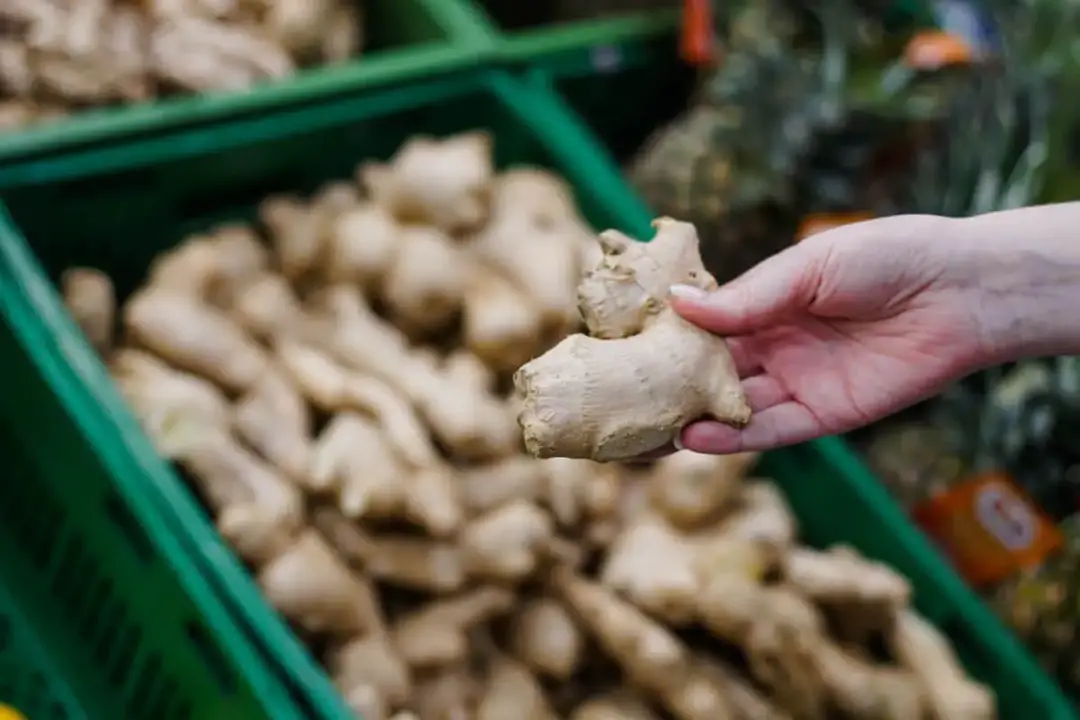
Start with a fresh ginger rhizome from a reputable source. Look for plump, firm rhizomes with visible “eyes” or growth buds. Organic ginger is ideal as it is free from chemicals that can hinder growth.
2. Preparing the Rhizome:
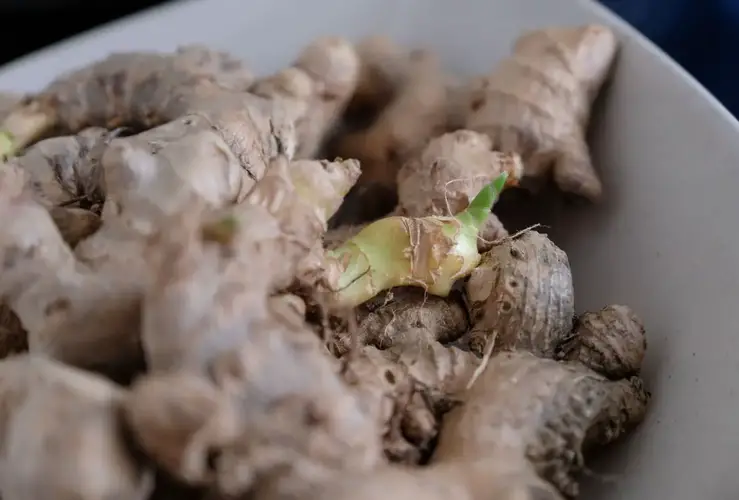
Before planting, soak the ginger rhizome in water overnight. This helps to hydrate and activate the rhizome, stimulating the growth process.
3. Selecting a Pot or Garden Spot:
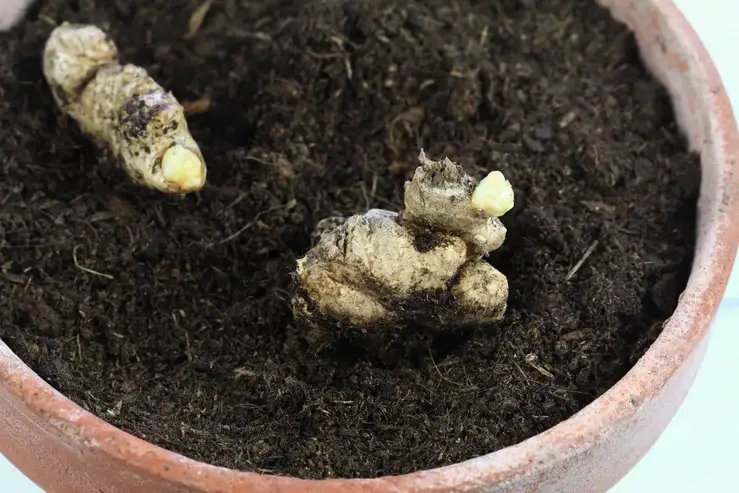
If you’re planting ginger in a pot, choose a container that is at least 12 inches deep to accommodate the rhizome’s growth. Ensure there are drainage holes to prevent waterlogging. For garden planting, select a spot with well-draining soil and partial shade.
4. Preparing the Soil:
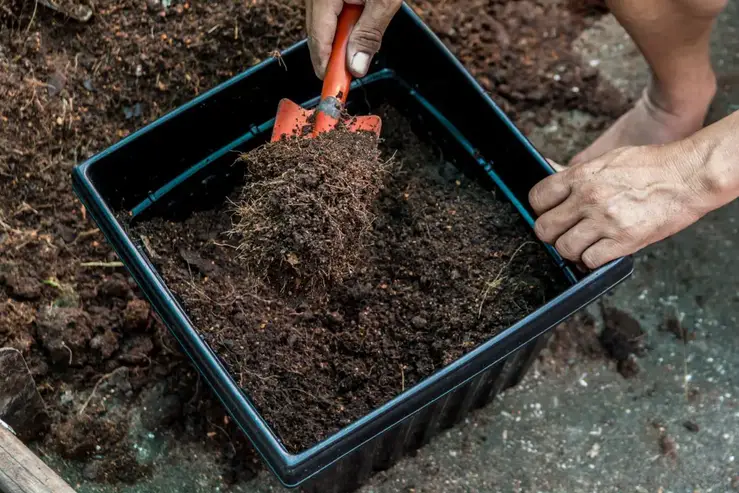
Ginger thrives in loose, well-draining soil rich in organic matter. Mix compost or aged manure into the soil to improve its fertility and drainage.
5. Planting the Rhizome:

Place the ginger rhizome in the soil with the eyes facing up. Bury it about an inch or two deep, ensuring that each piece has enough space to grow. If using a pot, you can plant multiple rhizomes, leaving a few inches between each one.
6. Watering:
Keep the soil consistently moist but not waterlogged. Ginger prefers a humid environment, so regular watering is essential. Be mindful not to overwater, as this can cause the rhizome to rot.
7. Providing Shade:
While ginger enjoys warm temperatures, direct sunlight can scorch its delicate leaves. Provide partial shade by placing the pot or planting in an area that receives filtered sunlight or shade for a few hours each day.
8. Temperature and Climate:
Ginger thrives in tropical and subtropical climates. If you live in a region with colder winters, growing ginger in a pot allows you to move it indoors during the colder months. Maintain a temperature between 75-85°F (24-29°C) for optimal growth.
9. Fertilizing:
Feed your ginger plants with a balanced organic fertilizer every 4-6 weeks during the growing season. This provides the necessary nutrients for healthy foliage and rhizome development.
10. Mulching:
Apply a layer of organic mulch around the ginger plants to retain moisture, suppress weeds, and maintain a stable soil temperature. Straw, wood chips, or compost make excellent mulch options.
11. Patience and Time:
Ginger takes time to grow, so be patient. It usually takes a few weeks for shoots to emerge from the soil. Ginger plants can take 8-10 months to reach maturity, but you can harvest young ginger earlier if desired.
12. Harvesting:
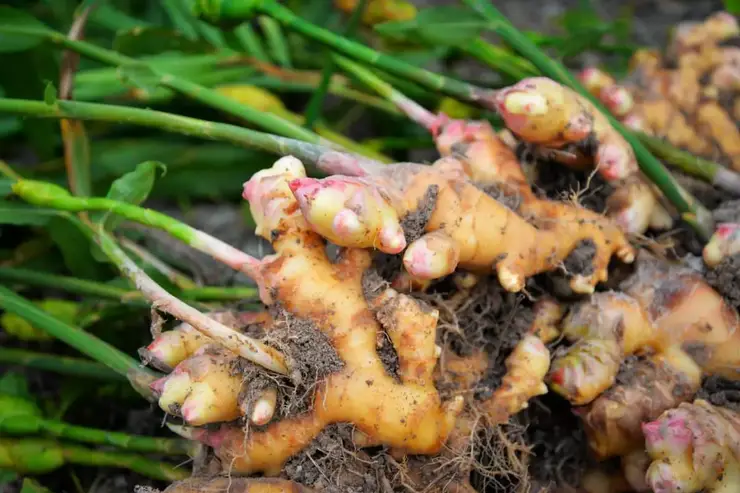
Once the ginger plants have matured, you can start harvesting. Gently dig around the plant to unearth the rhizomes. Take what you need and leave some rhizomes in the soil to continue growing. Remember to replant for a continuous supply.
13. Storing Ginger:
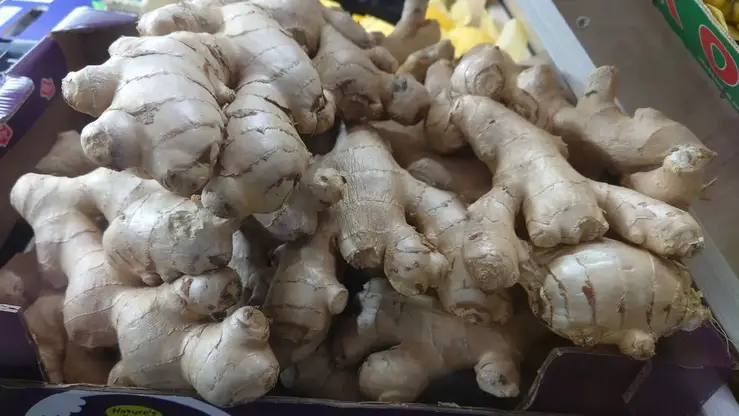
To store harvested ginger, wash and dry the rhizomes thoroughly. Store them in a cool, dry place or refrigerate them in a paper towel inside a plastic bag. This helps retain their freshness for several weeks.
14. Propagating:
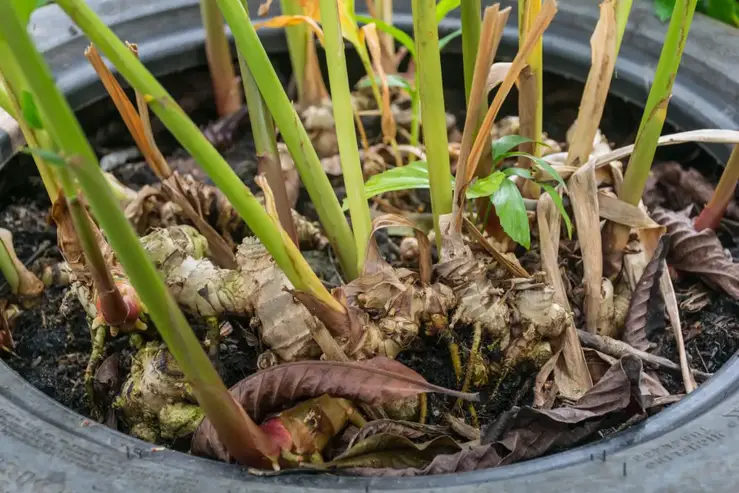
As your ginger plants grow, they will develop more rhizomes. You can separate these rhizomes and replant them to expand your ginger garden or share with fellow gardening enthusiasts.
15. Experiment and Enjoy:
Ginger is a versatile ingredient in the kitchen. Use it in teas, stir-fries, curries, desserts, and more. Explore different recipes and savor the unique flavor of your homegrown ginger.
Growing ginger at home is a fulfilling experience that allows you to enjoy a continuous supply of this aromatic and medicinal root. By following these secrets and tips, you can successfully cultivate ginger in a pot or your garden. Embrace the joy of homegrown produce and add the vibrant flavor of ginger to your culinary creations.