Don’t Rush to Kill Millipedes: Why These Creepy Crawlers Deserve a Second Look
7
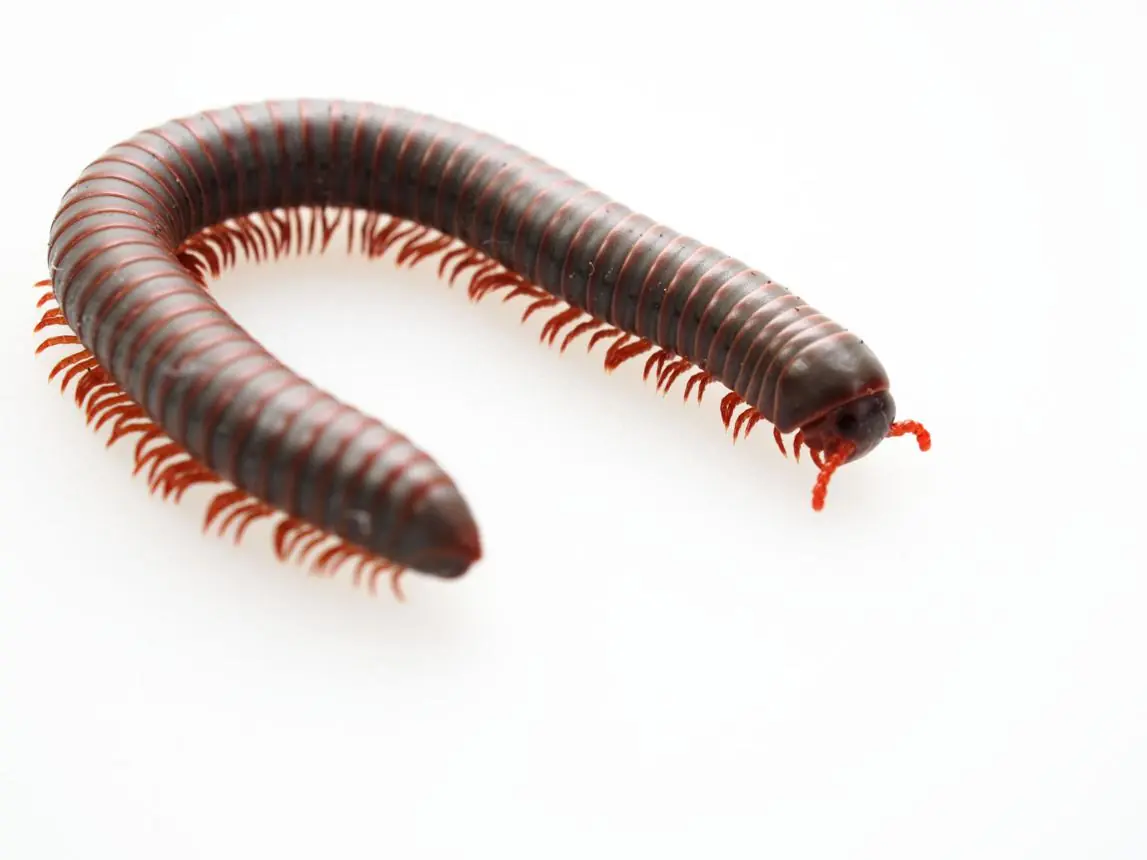
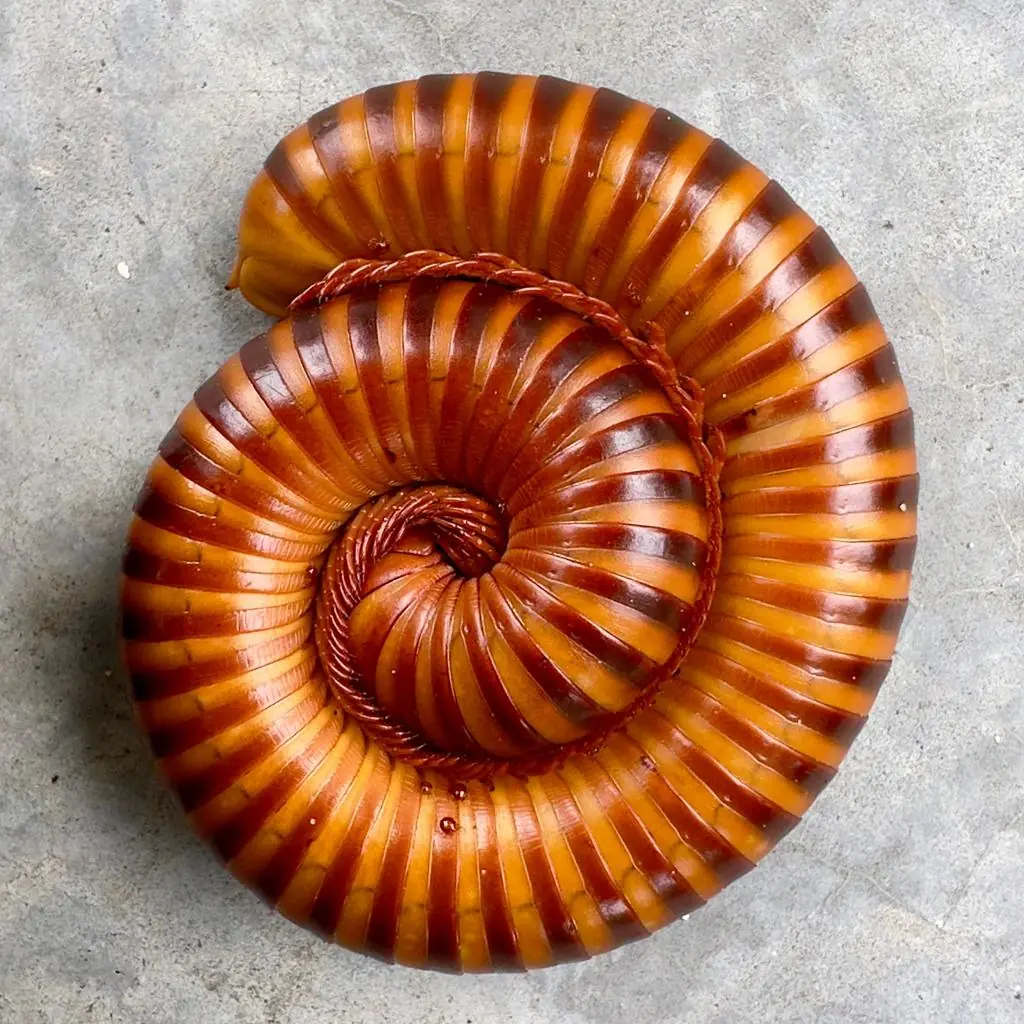
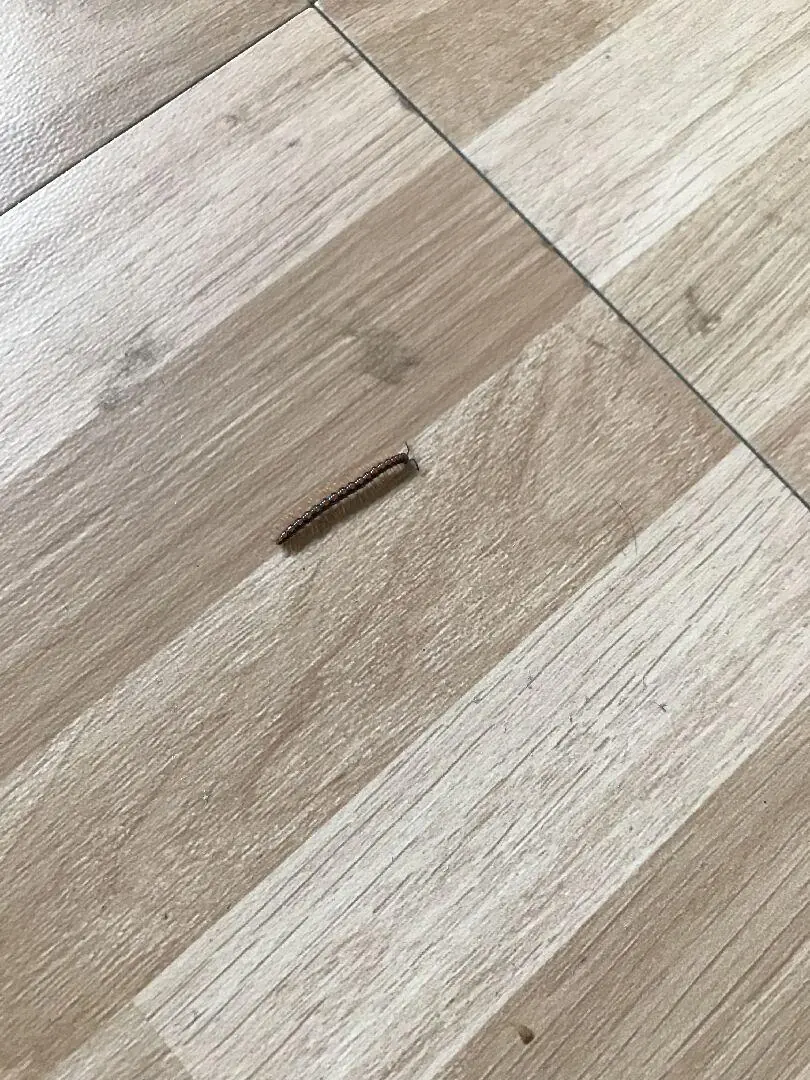
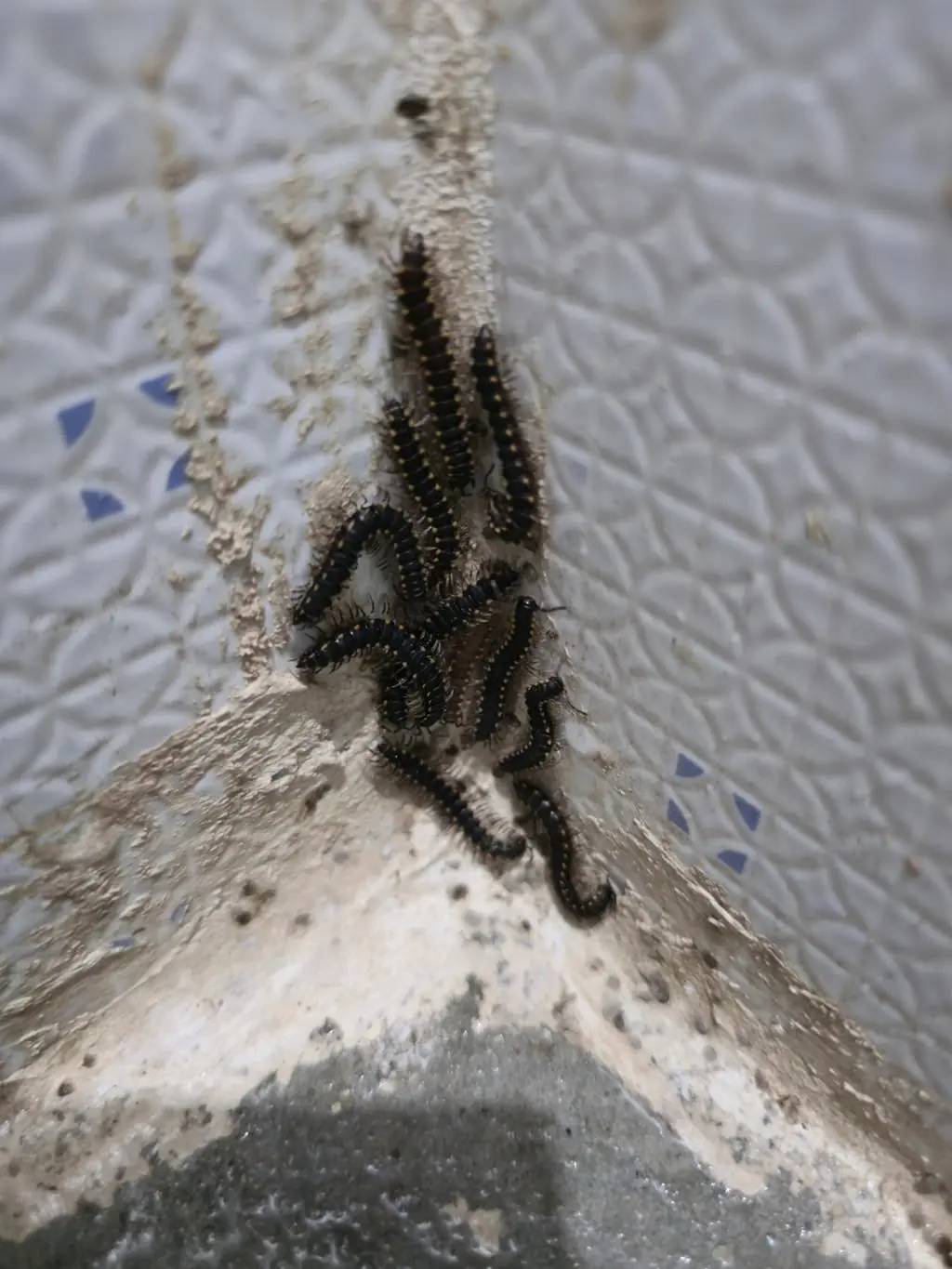
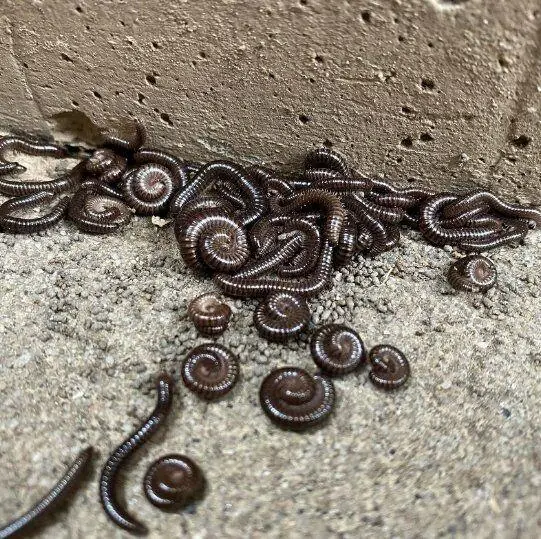
The moment a millipede appears on the floor, most people react the same way—shock, discomfort, and an instant urge to get rid of it. With its long segmented body and dozens of moving legs, it doesn’t exactly give off friendly vibes. But here’s the twist: millipedes are far less dangerous than they look—and in many cases, they’re actually beneficial.
Before reaching for a shoe or spray, it’s worth understanding what these creatures really are and why killing them might not be necessary.
What Exactly Is a Millipede?
Millipedes are slow-moving arthropods that thrive in moist, dark environments. Unlike centipedes (which are predators), millipedes are detritivores—they feed on decaying organic matter like dead leaves, wood, and plant debris.
In simple terms, they are nature’s recyclers.
They help break down waste and return nutrients to the soil, playing a quiet but important role in maintaining ecological balance.
Why They Enter Your Home
7
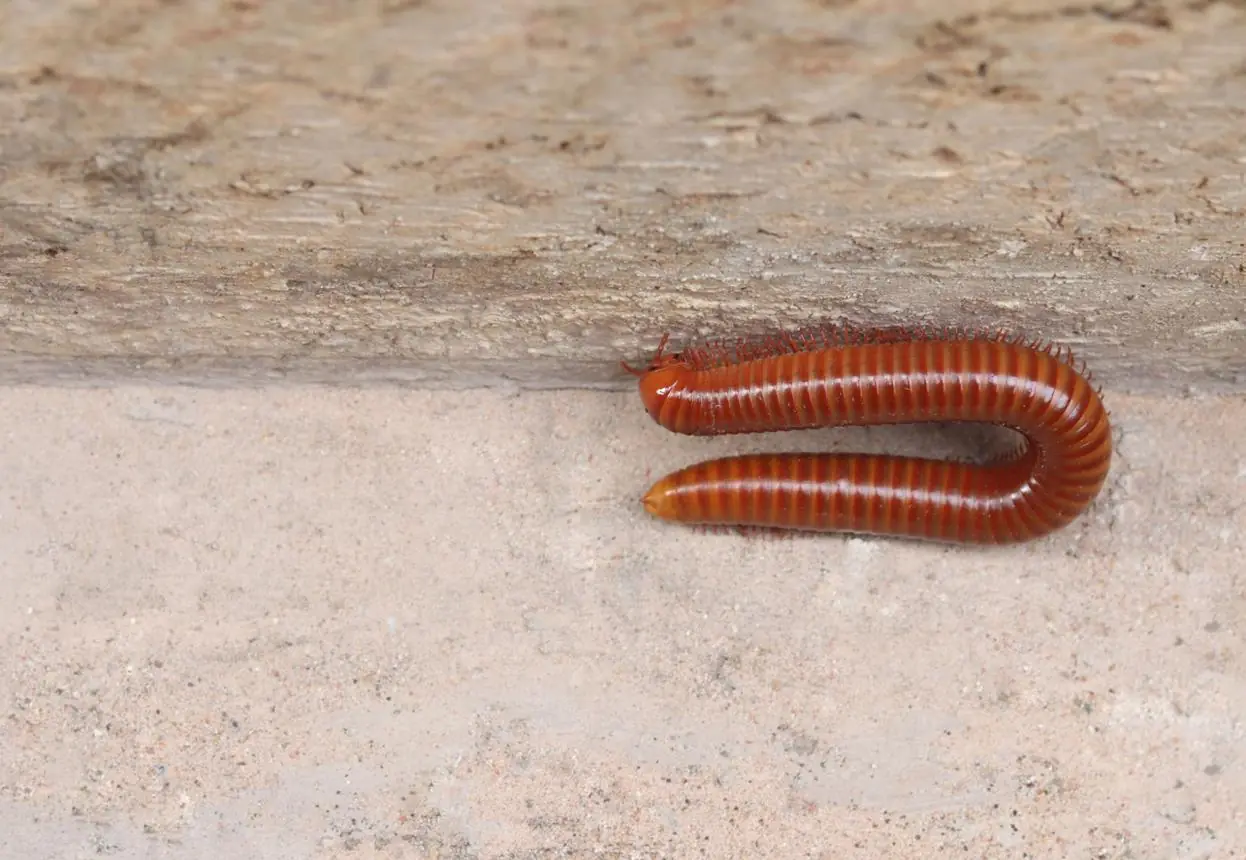
Millipedes don’t invade homes to harm people—they’re usually just looking for better living conditions.
Common reasons include:
- High humidity or damp areas (bathrooms, basements)
- Heavy rain forcing them out of soil
- Cracks in walls or floors allowing entry
- Accumulation of organic debris nearby
Once inside, they often struggle to survive because indoor environments are too dry.
Are Millipedes Dangerous?
Here’s the honest answer: not really.
Millipedes do not bite, sting, or attack humans. However, they do have a defense mechanism:
- When threatened, they may release a mild chemical fluid
- This can cause slight skin irritation in sensitive individuals
- It may leave temporary stains or a mild odor
That’s it. No venom, no aggressive behavior.
Compared to many household pests, millipedes are among the least harmful.
Why You Shouldn’t Kill Them Immediately


6
Killing millipedes might seem like the easiest solution—but it’s not always the smartest one.
Here’s why:
1. They indicate moisture issues
Seeing millipedes often means your home has excess humidity. Removing them doesn’t solve the root problem.
2. They don’t reproduce aggressively indoors
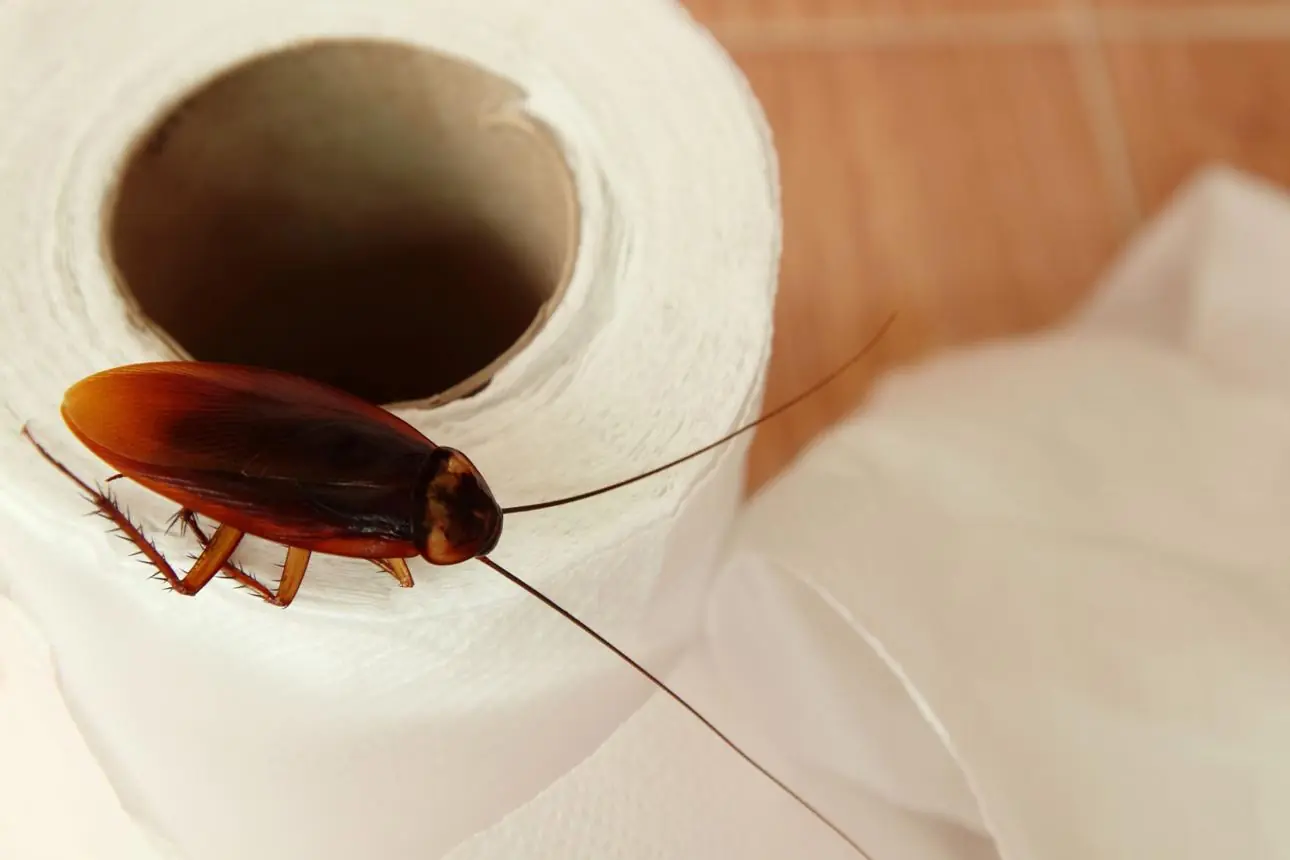
Unlike cockroaches or ants, millipedes rarely infest homes in large numbers.
3. They’re part of a healthy ecosystem
Outside, they contribute to soil health and plant growth.
4. Crushing them can release odor
Their defensive fluid can create an unpleasant smell when killed.
What You Should Do Instead


5
A more effective approach focuses on prevention and gentle removal:
- Reduce indoor humidity (use a dehumidifier or improve ventilation)
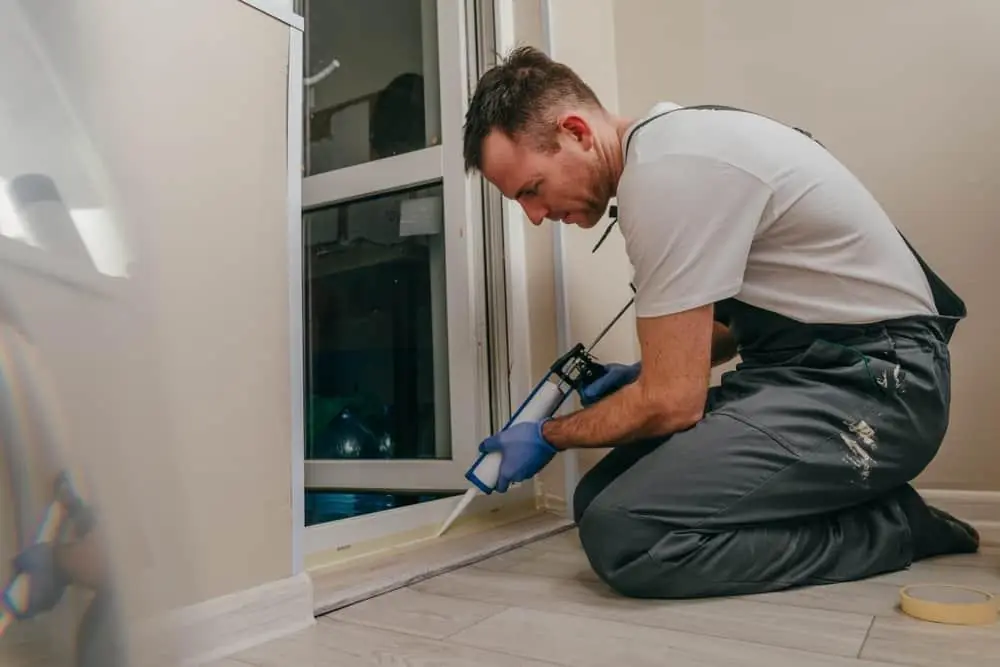
- Seal cracks and entry points around doors and walls
- Keep outdoor areas clean—remove leaves, mulch, and debris near the house
- Use a cup or tissue to safely move them outside
These steps address the cause, not just the symptom.
The Bottom Line
Millipedes may look unsettling, but they are not the threat many people assume.
They don’t attack, they don’t spread disease, and they don’t invade homes with harmful intent. In fact, they’re more like accidental visitors—drawn in by conditions that can easily be fixed.
Final Thought
Not everything that looks scary is dangerous.
Sometimes, the smartest move isn’t to destroy—but to understand, adjust, and respond with a little more awareness.
Because even the smallest creatures can have a role—and not all of them are your enemies.
Understanding Sleep Paralysis: What Happens Inside Your Brain and Body?
Sleep paralysis can be one of the most frightening experiences a person has while sleeping. You may feel completely awake, recognize your bedroom, hear sounds around you, and even sense someone standing nearby. Yet, despite trying with all your strength, you cannot move your arms, turn your head, or call for help.
For some people, the experience lasts only a few seconds. For others, it seems to continue much longer. The fear can be so intense that they become anxious about going to sleep again.
But understanding the science behind sleep paralysis can make a significant difference. It helps explain why the experience happens, why the sensations can feel so convincing, and what you can do to reduce the likelihood of another episode.
Let's take a closer look at some important facts that many people do not know.
1. Sleep Paralysis Is Closely Connected to REM Sleep
To understand sleep paralysis, it helps to understand the different stages of sleep.
Sleep is not simply a period when the brain switches off. Throughout the night, your brain moves through several stages, including non-rapid eye movement sleep (NREM) and rapid eye movement sleep (REM).
During NREM sleep, the body gradually relaxes, and brain activity changes as you move into deeper stages of rest.
REM sleep is different. This is the stage most strongly associated with vivid dreaming. Your brain becomes highly active, and your eyes move rapidly beneath your closed eyelids.
At the same time, most of your voluntary skeletal muscles experience a temporary reduction in activity known as REM atonia.
This natural process is important because it prevents you from physically acting out many of your dreams.
Imagine dreaming that you are running away from danger. Without the normal muscle inhibition of REM sleep, your body might attempt to reproduce those movements while you are still asleep.
During sleep paralysis, the awareness associated with waking returns before the temporary muscle inhibition has completely ended.
The result is an unusual overlap between two states:
-
Your mind is becoming conscious.
-
Your voluntary muscles remain temporarily inhibited.
-
Dream-related sensations or images may continue.
-
You may be aware of your surroundings but unable to respond physically.
This is why sleep paralysis is often described as a temporary mismatch between sleep and wakefulness.
2. There Are Two Main Types of Sleep Paralysis
Not every episode happens at the same point in the sleep cycle.
Sleep specialists generally distinguish between two forms of sleep paralysis.
Hypnagogic sleep paralysis
This occurs while you are falling asleep.