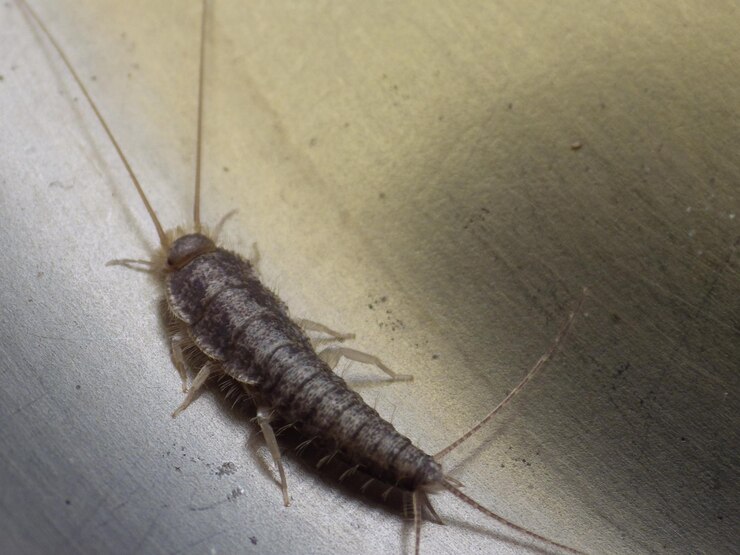
Why Killing One Silverfish May Not Solve the Problem
You can spray or remove a silverfish and feel like the problem is solved.
But if your home remains humid and provides food and shelter, other silverfish may continue to appear.
Think of it this way:
The insect is the symptom.
The environment may be the cause.
That's why effective pest management often starts with changing the conditions that make your home attractive to the insects.
How to Make Your Home Less Attractive to Silverfish
Fortunately, several practical steps can help.
1. Reduce Excess Humidity
If indoor humidity is consistently high, consider using:
-
A dehumidifier
-
Bathroom exhaust fans
-
Better ventilation
-
Air conditioning when appropriate
Keeping damp areas dry can make the environment less favorable for silverfish.
2. Fix Leaks Quickly
Don't ignore a dripping pipe or slow plumbing leak.
Even small amounts of persistent moisture can contribute to damp conditions.
Check under sinks and around appliances regularly.
3. Improve Bathroom Ventilation
Bathrooms naturally produce a lot of moisture.
Use an exhaust fan during showers and for some time afterward.
If possible, allow moisture to escape rather than letting it accumulate on walls, ceilings, and floors.
4. Avoid Excessive Clutter
Silverfish prefer dark, undisturbed hiding places.
Stacks of cardboard boxes, old papers, and cluttered storage areas can provide shelter.
Organize stored materials and keep them off damp floors whenever possible.
5. Store Books and Documents Properly
Important documents and books should ideally be kept in a dry environment.
Avoid storing valuable paper materials in damp basements, garages, or poorly ventilated storage rooms.
Use appropriate sealed containers when needed, while still making sure moisture isn't trapped inside with the materials.
6. Seal Cracks and Gaps
Silverfish can move through surprisingly small spaces.
Inspect areas around:
-
Baseboards
-
Pipes
-
Windows
-
Doors
-
Cabinets
-
Utility openings
Sealing unnecessary gaps can reduce potential entry and hiding points.
What Should You Do If You Find One?
If you see a single silverfish, simply remove it and inspect the area.
Then ask yourself:
Was the room unusually humid?
Are there leaks?
Is there a lot of cardboard or paper nearby?
Have I seen more than one?
If the answer to several of these questions is yes, investigate further.
When Should You Take the Problem More Seriously?
Repeated sightings are a reason to take action.
Pay particular attention if:
-
You see silverfish regularly
-
They appear in several rooms
-
You find them during the day
-
You notice damaged books or paper
-
There is persistent moisture
-
You find many insects in storage areas
-
The problem continues despite cleaning and drying the area
A large or persistent infestation may require professional pest-control assistance.
Don't Immediately Reach for Strong Chemicals
It's tempting to spray every insect you see.
But indiscriminate pesticide use isn't always the best first step.
If the underlying issue is moisture, killing individual insects won't address the reason they keep returning.
Start with environmental control:
Dry the area.
Fix leaks.