Seeing a snake in your yard can be an unsettling experience, especially if you weren't expecting it. One moment you're watering the garden or taking out the trash, and the next you notice something moving through the grass or disappearing beneath a pile of leaves.
The good news is that seeing a snake doesn't necessarily mean you have an infestation or that your home is in danger. Snakes are often simply moving through an area in search of food, water, shelter, or a suitable place to hide.
Rather than trying to chase or kill a snake, a better long-term strategy is to make your property less attractive to snakes and the animals they feed on.
Here are eight practical methods that may help reduce the chances of snakes hanging around your home.
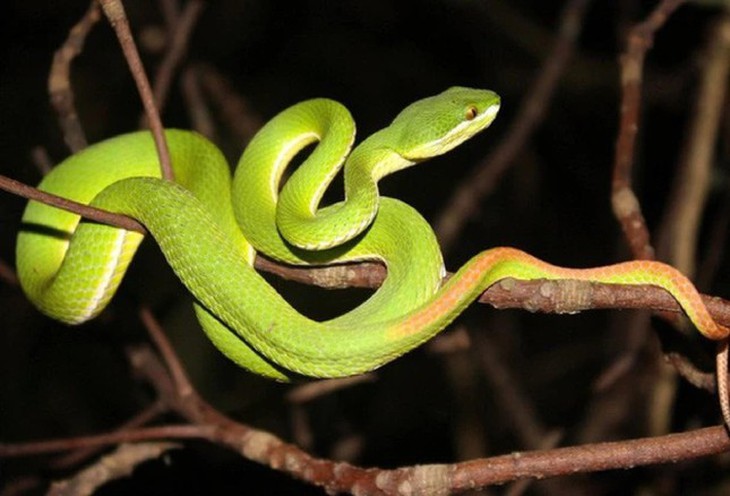
1. Keep Grass and Vegetation Trimmed
Overgrown grass, weeds, and dense vegetation provide excellent hiding places for snakes.
Tall grass allows them to move around without being easily noticed. Thick plants can also provide shade and protection from predators and extreme temperatures.
Regularly mowing your lawn and trimming vegetation around the house can make your property less appealing as a hiding area.
Pay particular attention to:
-
Areas along the foundation
-
Around sheds
-
Beneath decks
-
Fence lines
-
Around outdoor storage
-
Near wood piles
-
Around garden borders
You don't need to remove every plant from your yard.
The goal is simply to avoid creating large areas of dense, unmanaged vegetation immediately next to the house.
2. Remove Places Where Snakes Can Hide
Snakes are attracted to places where they can remain concealed.
A messy yard can unintentionally provide plenty of shelter.
Common examples include:
Stacks of lumber
Piles of leaves
Unused building materials
Old boxes
Broken garden equipment
Loose boards
Rock piles
Dense ground cover
If these materials aren't needed, remove them.
If you need to store something outdoors, keep it organized and, when practical, elevated off the ground.
Firewood should ideally be stacked neatly and away from the home's walls.
A more open yard gives snakes fewer convenient hiding places.
3. Control Rodents and Other Food Sources
This may be one of the most important things homeowners overlook.
Snakes don't typically visit a property because they like houses.
They visit because the environment provides something they need.
For many species, that means prey.
Depending on the species, snakes may feed on rodents, frogs, lizards, insects, birds, or other small animals.
If your property has a significant rodent population, it may unintentionally become attractive to snakes.
Look for signs such as:
-
Droppings
-
Gnaw marks
-
Burrows
-
Nesting material
-
Food containers that have been disturbed
Store animal feed and birdseed securely.
Keep garbage containers closed.
Don't leave pet food outside for extended periods.
Reducing available prey can make the area less attractive to snakes.
4. Seal Gaps Around Your Home
A snake doesn't need a large opening to enter a structure.
Small gaps around foundations, doors, pipes, vents, and other openings can potentially provide access.
Inspect the exterior of your home carefully.
Look around:
-
Door thresholds
-
Garage doors
-
Foundation cracks
-
Plumbing penetrations
-
Utility lines
-
Crawl-space entrances
-
Vents
-
Damaged screens
Repair damaged weather stripping and screens.
Seal appropriate gaps using suitable building materials.
Pay particular attention to garages, sheds, crawl spaces, and other areas that connect directly with the outdoors.
This doesn't guarantee that a snake will never enter, but it can reduce potential entry points.
5. Remove Standing Water and Manage Moisture
Water can attract many forms of wildlife.
Birds, insects, amphibians, rodents, and other animals may gather around accessible water sources.
And where prey animals gather, predators may follow.
Check your property for unnecessary standing water.
Look at:
-
Buckets
-
Children's toys
-
Plant saucers
-
Leaky hoses
-
Unused containers
-
Clogged gutters
-
Low areas that collect rainwater
Empty containers regularly and repair outdoor leaks.
If you have a pond or water feature, you don't necessarily need to remove it.
Instead, understand that it can become part of the local ecosystem and may attract wildlife.
6. Keep Your Yard Clean and Organized
A tidy yard isn't just about appearance.
It can also make wildlife activity easier to notice.
Keep leaves and organic debris from accumulating heavily against the foundation.
Trim plants that create dense cover around doors and windows.
Keep storage areas organized.
Move unnecessary materials away from the house.
Maintain fences and gates where appropriate.
These steps can reduce the number of places where snakes and their prey can hide.
They also make it easier for you to notice other signs of wildlife activity.
7. Be Careful With Bird Feeders
Bird feeders can be enjoyable and are a great way to observe wildlife.
But they can also attract more than birds.
Seeds that fall onto the ground may attract mice and other rodents.
Those rodents can then attract snakes.
If you have a recurring snake problem near a bird feeder, consider:
-
Using feeders that minimize spilled seed
-
Cleaning fallen seed regularly
-
Keeping feeding areas away from the house
-
Storing birdseed in sealed containers
You don't necessarily have to stop feeding birds.
The goal is to avoid creating a concentrated food source for rodents close to your home.

8. Don't Rely on "Snake Repellents" as a Magic Solution
The internet is full of products and home remedies claiming to keep snakes away.
You'll often hear recommendations involving:
-
Mothballs
-
Strong-smelling chemicals
-
Essential oils
-
Homemade sprays
-
Ultrasonic devices
-
Various powders
Be cautious with these claims.
Many popular snake-repellent remedies have limited or inconsistent evidence behind them.
Some can also be dangerous.
Mothballs, for example, are pesticides designed for specific uses and should not be scattered around yards as a snake deterrent. They can expose people, children, pets, and wildlife to toxic chemicals.
Instead of trying to overwhelm snakes with unpleasant smells, focus on the basics:
Remove shelter.
Reduce prey.
Manage moisture.
Seal entry points.
These strategies address the conditions that can make a property attractive to wildlife.
Why Snakes May Be Showing Up in the First Place
Understanding snake behavior can make an unexpected encounter much less frightening.
Snakes are generally looking for basic necessities:
Food
Water
Shelter
Suitable temperatures
Places to reproduce or rest
A yard can unintentionally provide all of these.
For example, imagine a property with tall grass, a wood pile, standing water, and plenty of mice.
From a snake's perspective, that's not necessarily a dangerous place.
It's a restaurant with shelter.
That's why simply removing one snake may not solve the underlying problem.
If the environment remains attractive, another snake may eventually pass through.
What Should You Do If You See a Snake?
The safest response is usually to keep your distance.
Don't attempt to grab it.
Don't corner it.
Don't try to kill it with a shovel or other object.
And don't assume you know whether it is venomous based solely on appearance.
Move children and pets away from the area and give the snake a clear path to leave if possible.
In many situations, a snake will move away on its own.
If it is inside your home or trapped in an area where people or pets could be at risk, contact a qualified wildlife-removal professional.
Don't Handle an Unidentified Snake
This is especially important.
Some venomous species can resemble harmless species, and identification based on a quick glance can be unreliable.
Even if you believe a snake is harmless, there's little reason to approach it.
If you want to identify it, take a photograph from a safe distance if you can do so without approaching or disturbing the animal.
Then consult a reliable local wildlife or extension resource.
What About Pets?
Dogs and cats can be naturally curious.
A snake moving through the yard may immediately attract their attention.
That can put the animal—and potentially the pet—at risk.
If snakes are common in your area, supervise pets outdoors, particularly around tall grass, wood piles, rocks, sheds, and other areas where wildlife may hide.
Keep your yard maintained and remove unnecessary hiding places.
If your pet is bitten by a snake, seek veterinary care immediately rather than trying home remedies.
What About Children?
Children may not recognize the importance of staying away from unfamiliar wildlife.
Teach them a simple rule:
If you see a snake, stop and move away.
Don't touch it.
Don't poke it.
Don't try to pick it up.
Tell an adult.
This simple habit can prevent many unnecessary encounters.
Snakes Can Actually Play an Important Role
Although many people don't want snakes around their homes, snakes aren't inherently "bad."
They are part of the ecosystem.
Many species help control populations of rodents and other small animals.
That can actually benefit gardens, farms, and natural environments.
The goal isn't necessarily to eliminate every snake from your neighborhood.
Instead, the goal is to reduce unnecessary encounters around areas where people and pets spend time.
A snake living somewhere in the surrounding ecosystem is very different from a snake repeatedly entering your house.
Does Seeing One Snake Mean There Are More?
Not necessarily.
A single snake may simply be passing through.
Snakes don't typically behave like social pests that gather around a home in large groups.
However, repeated sightings can indicate that the surrounding environment provides suitable food, shelter, or habitat.
If you're seeing snakes regularly, investigate the conditions around your property rather than assuming that there must be a nest nearby.
Look for the Prey, Not Just the Snake
One of the smartest approaches is to look at what might be attracting the snake.
If you frequently see rodents, frogs, or lizards around the property, that may explain why snakes are also present.
Ask yourself:
What is the snake eating?
Where is it finding shelter?
Where is it getting water?
Why does this particular part of the yard appeal to it?
Answering these questions can help you make targeted changes.
A Simple Snake-Prevention Checklist
If you want to make your property less attractive to snakes, start with these practical steps:
✔ Mow and trim regularly
Reduce dense vegetation close to the house.
✔ Remove clutter
Clear away unnecessary boards, debris, and piles of materials.
✔ Manage rodents
Secure food and birdseed and address signs of rodent activity.
✔ Reduce standing water
Empty unnecessary containers and repair leaks.
✔ Seal entry points
Inspect doors, foundations, vents, and utility openings.
✔ Keep firewood organized
Stack it neatly and away from the house when practical.
✔ Maintain outdoor areas
Keep leaves and dense debris from accumulating around the foundation.
✔ Supervise pets
Especially in areas where snakes are common.
These measures won't make your property completely snake-proof, but they can reduce the features that make it attractive to many snakes.
When Should You Call a Professional?
Consider contacting a wildlife professional if:
-
A snake is inside your house
-
You repeatedly find snakes indoors
-
You can't safely identify the species
-
A snake is trapped in a difficult location
-
You live in an area with venomous species
-
A snake is behaving unusually
-
You're concerned about children or pets
Professional wildlife specialists can often remove animals safely and help identify ways to reduce future encounters.

The Bottom Line
If you see a snake around your home, don't panic and don't immediately assume you have a serious problem.
Snakes are wild animals responding to their environment.
Your property may simply offer something they need.
The most effective long-term approach is usually not about finding one magical snake repellent.
It's about changing the environment.
Keep vegetation under control.
Remove unnecessary hiding places.
Reduce rodents and other prey.
Manage standing water.
Seal gaps around buildings.
Keep storage areas organized.
And most importantly, give snakes space when you encounter them.
A snake in the yard doesn't automatically mean your home is unsafe. In many cases, it's simply an animal passing through the same environment we share with countless other species.
By making your property less attractive to snakes and by learning how to respond calmly when one appears - you can reduce unwanted encounters while still respecting the important role these animals play in the ecosystem.