Always follow the product label and local regulations.
What About Essential Oils?
Essential oils can smell extremely strong to humans.
That doesn't mean they're automatically safe or effective around wildlife.
Concentrated oils can cause problems if they come into contact with:
-
Skin
-
Eyes
-
Pets
-
Children
-
Food
-
Sensitive plants
Some essential oils can also be toxic to pets.
If you're using an essential-oil product, follow its instructions carefully and don't assume that "natural" means harmless.
What Should You Do If You Find a Snake?
This may be more important than any homemade repellent.
Don't approach it.
Don't attempt to grab it, corner it, hit it, or determine whether it's venomous by getting close.
Instead:
-
Keep children and pets away.
-
Give the snake plenty of space.
-
Move indoors if necessary.
-
Observe from a safe distance.
-
Contact an appropriate local wildlife or animal-control service if removal is necessary.
If you live in an area where venomous snakes are present, treat an unidentified snake cautiously.
Never Try to Handle an Unidentified Snake
A common mistake is assuming that a snake is harmless because it looks small or isn't behaving aggressively.
Snake identification can be difficult, particularly when viewed from a distance.
A snake that feels threatened may defend itself.
You don't need to prove what species it is.
Distance is your best protection.
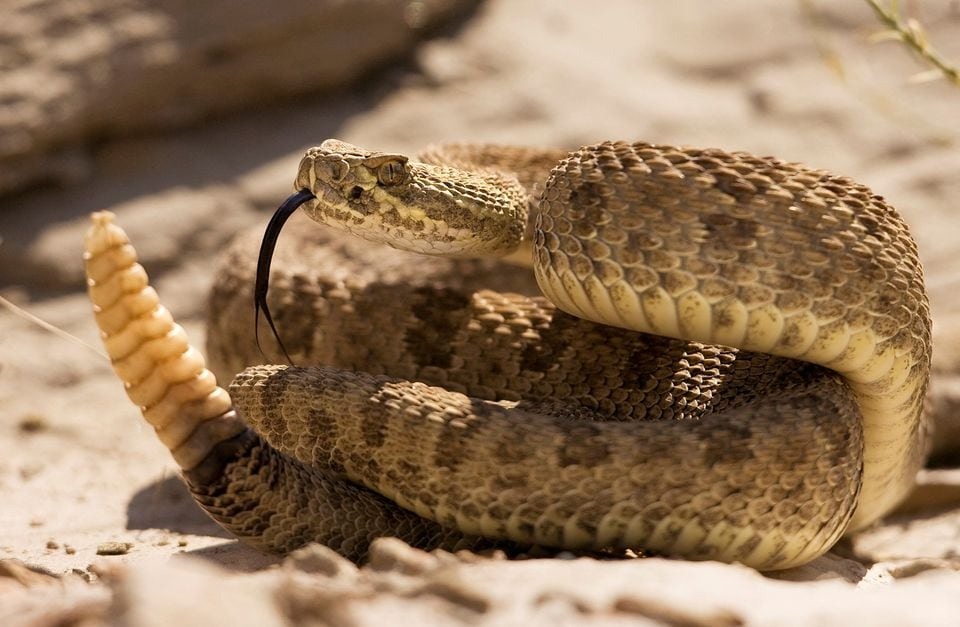
What If a Snake Enters Your House?
Don't try to chase it around the room.
Instead, if it is safe to do so, keep people and pets away and isolate the area.
If there's a safe way to leave an exterior door open without approaching the snake, it may eventually move toward an exit.
Otherwise, contact a qualified local professional for assistance.
Avoid attempting to trap or pick up an unfamiliar snake yourself.
The Most Effective Strategy Is a Combination of Prevention
If you want to reduce snake encounters, think beyond scents.
A practical strategy looks more like this:
Step 1: Remove food sources
Reduce rodent activity and avoid leaving pet food or birdseed scattered outside.
Step 2: Remove shelter
Clear unnecessary piles of wood, debris, rocks, and clutter.
Step 3: Maintain vegetation
Keep grass and vegetation around the home manageable.
Step 4: Seal openings
Inspect the house, garage, shed, and foundation for gaps.
Step 5: Reduce unnecessary water sources
Fix leaks and address areas of persistent standing water.
Step 6: Use scents only as a supplementary measure
If you want to experiment with scents such as peppermint, garlic, cinnamon, or citrus, don't rely on them as your primary defense.
So, Do Snakes Really Hate These Eight Scents?
That's the part viral articles often oversimplify.
There is not strong evidence that eight particular household scents form a reliable, universal snake-repellent system.
Some strong odors may affect snake behavior, and certain commercial repellents have been studied under specific conditions. But results can vary by species, environment, concentration, weather, and how the product is used.
A snake that is simply passing through may react differently from one that has discovered a reliable source of food or shelter.
So rather than asking:
"What smell will make every snake stay away?"
A better question is:
"What can I change around my property so snakes have fewer reasons to come here?"
That shift in thinking can make your prevention strategy much more effective.
The Bottom Line
The eight scents commonly associated with snake deterrence include:
1. Cinnamon
2. Garlic
3. Vinegar
4. Peppermint
5. Clove
6. Lemongrass
7. Citrus
8. Onion
These strong scents may be worth experimenting with as supplementary deterrents, but they shouldn't be considered guaranteed ways to keep snakes away.
If you want to make your home less attractive to snakes, focus first on the fundamentals:
Control rodents.
Remove hiding places.
Maintain vegetation.
Eliminate unnecessary clutter.
Fix leaks and standing-water problems.
Seal gaps around buildings.
And if you encounter a snake, don't take unnecessary risks trying to remove it yourself.
The safest snake is the one you don't have to get close enough to touch.