Have you ever looked closely at your arms, legs, face, or hands and suddenly noticed tiny white spots that weren't there before?
They may be so small that you barely notice them at first. Some look like little pale dots, while others appear as flat white patches. Some are completely harmless and may have nothing to do with a serious health problem. Others can be related to changes in pigmentation, skin irritation, infections, or certain skin conditions that deserve professional attention.
The important thing to remember is that white spots on the skin are a symptom, not a diagnosis.
Their appearance, location, texture, duration, and whether they are changing can provide important clues about what is happening.
So before assuming that a white spot means a vitamin deficiency—or something more serious—it's worth understanding some of the most common possibilities.
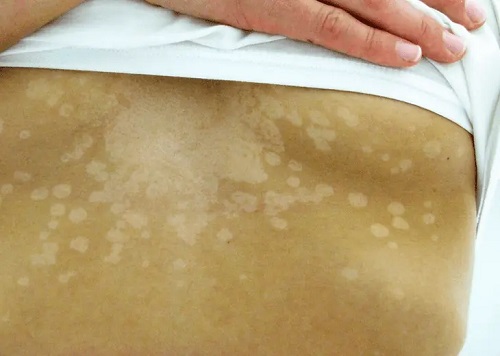
Why Do White Spots Appear on the Skin?
Your skin gets its color largely from a pigment called melanin.
Melanin is produced by specialized cells called melanocytes. When there is less melanin in a particular area, the skin can appear lighter than the surrounding skin.
This can happen for many different reasons.
Sometimes the melanocytes temporarily produce less pigment. In other cases, inflammation or injury can alter pigmentation. Certain fungal infections can also create lighter-looking patches, while some autoimmune conditions can affect pigment-producing cells.
That's why two people with "white spots" can actually have completely different underlying conditions.
1. Post-Inflammatory Hypopigmentation
One relatively common explanation for lighter patches is post-inflammatory hypopigmentation.
This can happen after the skin has been irritated or inflamed.
For example, a person may develop a lighter area after:
-
A rash
-
Eczema
-
An allergic reaction
-
A minor injury
-
Insect bites
-
Scratching
-
A skin infection
-
Another inflammatory skin condition
After the original problem disappears, the affected area may remain lighter for a while.
The skin isn't necessarily permanently damaged.
In many cases, pigmentation gradually becomes more similar to the surrounding skin as the area heals.
What does it look like?
The affected skin may appear:
-
Lighter than normal
-
Flat
-
Smooth
-
Slightly irregular in shape
The contrast can become particularly noticeable after surrounding skin becomes darker from sun exposure.
2. Tinea Versicolor
Another common cause of light-colored spots is tinea versicolor, a superficial fungal condition caused by an overgrowth of yeast that normally lives on the skin.
Despite its name, tinea versicolor isn't necessarily brightly colored.
The patches can appear:
-
White
-
Light brown
-
Pinkish
-
Tan
-
Slightly darker than surrounding skin
They are often found on the:
-
Chest
-
Upper back
-
Shoulders
-
Neck
-
Upper arms
The spots may have a fine, powdery or flaky scale, which can become more noticeable when the skin is scratched.
One reason people notice tinea versicolor more during warmer months is that the affected areas may not tan normally, making them stand out against surrounding sun-exposed skin.
Is it contagious?
Tinea versicolor generally results from an overgrowth of yeast that is already present on the skin rather than from catching an infection from another person.
It is therefore different from many contagious fungal infections.
Treatment typically involves antifungal medication, although the altered skin color may take considerably longer to return to normal after the yeast has been controlled.
3. Vitiligo
When people notice sharply defined white patches, one condition that often comes to mind is vitiligo.
Vitiligo is a condition in which melanocytes are destroyed or stop functioning in affected areas, resulting in loss of pigment.
The patches can occur almost anywhere on the body.
Common areas include:
-
Hands
-
Face
-
Around the mouth
-
Around the eyes
-
Fingers
-
Elbows
-
Knees
-
Feet
Vitiligo can also affect areas containing hair, causing hair in an affected region to become lighter or white.
What makes vitiligo different?
Vitiligo often produces areas that are very light or completely depigmented, with relatively clear borders.
It can begin as a small patch and remain localized or gradually expand.
However, not every pale patch is vitiligo.
A dermatologist may need to examine the skin under specialized lighting and consider the history and appearance before making a diagnosis.
4. Idiopathic Guttate Hypomelanosis
If you've noticed numerous tiny white spots scattered across your arms or legs, another possibility is idiopathic guttate hypomelanosis (IGH).
The name sounds complicated, but the appearance is relatively distinctive.
These are usually:
-
Small
-
Flat
-
Pale or white
-
Round or oval
-
Smooth
-
Often multiple
They commonly appear on sun-exposed areas such as the forearms and lower legs.
IGH becomes more common with age and is thought to be associated with cumulative sun exposure and changes in skin pigmentation.
The spots are generally harmless.
An important distinction
IGH isn't the same thing as vitiligo.
Vitiligo can produce larger areas of pigment loss and may continue changing over time, whereas IGH typically consists of numerous small, stable spots.
If you're unsure, a dermatologist can distinguish between them.

5. Pityriasis Alba
Children and teenagers sometimes develop pale, slightly dry patches known as pityriasis alba.
These patches are often found on the:
-
Face
-
Cheeks
-
Chin
-
Forehead
-
Upper arms
They may initially look like mild areas of redness or irritation before becoming lighter.
The skin can appear:
-
Dry
-
Slightly scaly
-
Pale
-
Irregularly shaped
Pityriasis alba is generally harmless and often improves naturally.
Moisturizing the skin and protecting it from excessive sun exposure can help reduce the contrast between the affected area and surrounding skin.
6. Dry or Irritated Skin
Sometimes the explanation is much simpler.
Dry skin can make certain areas appear lighter, particularly when the skin surface becomes flaky.
Harsh soaps, frequent hot showers, aggressive exfoliation, and some skincare products can irritate the skin and disrupt its normal barrier.
This may create areas that look:
-
Pale
-
Rough
-
Flaky
-
Slightly red
-
Uneven in color
If the spots appeared after changing skincare products, laundry detergent, or bathing habits, irritation may be worth considering.
Switching to a gentle cleanser and using a fragrance-free moisturizer may help if dryness is contributing to the appearance.
7. Scars and Previous Skin Injuries
Have you ever had a cut, burn, acne lesion, or other injury that healed but left behind a slightly different-colored area?
That can happen because skin pigmentation doesn't always return to exactly the same level after an injury.
A healed area may become:
-
Darker than surrounding skin
-
Lighter than surrounding skin
-
Pinkish
-
Slightly textured
Small scars can therefore sometimes resemble white spots.
If the area corresponds to a previous injury or inflammation, that history can provide an important clue.
8. Certain Skin Conditions Can Leave Pale Marks
Several inflammatory skin conditions can produce temporary or persistent changes in pigmentation.
For example, eczema and psoriasis can sometimes leave areas of altered pigmentation after the active inflammation improves.
The original rash may have disappeared, leaving behind a lighter patch.
This is another reason why it's useful to think about what happened before the white spot appeared.
Ask yourself:
-
Was there a rash there previously?
-
Did the area itch?
-
Was it scratched?
-
Did it become red or inflamed?
-
Did you apply a medication or skincare product there?
Those details can help a healthcare professional narrow down the possibilities.
9. Nutritional Deficiencies Are Not the Only Explanation
One of the most common assumptions people make when they see white spots is:
"I must be deficient in a vitamin."
Nutrition can certainly affect skin health, and severe deficiencies of certain nutrients can cause skin changes.
But isolated tiny white spots are not automatically evidence of a vitamin or mineral deficiency.
Randomly taking supplements without knowing whether you are deficient isn't necessarily helpful and can sometimes be harmful.
If you have other symptoms—such as persistent fatigue, unexplained weight changes, hair loss, weakness, digestive problems, or other health concerns—a healthcare professional can determine whether blood tests or nutritional evaluation are appropriate.
10. Sun Exposure Can Make White Spots More Noticeable
Sometimes the spots aren't necessarily becoming whiter.
Instead, the surrounding skin becomes darker.
Imagine having several tiny areas of reduced pigmentation on your arms. After spending time in the sun, the surrounding skin tans while those spots don't.
The contrast becomes much more obvious.
This is why some pigmentation disorders can suddenly appear "worse" during summer.
Regardless of the cause, protecting your skin from excessive ultraviolet exposure is important.
Using sunscreen, wearing protective clothing, and seeking shade can help reduce sun-related skin damage.
What Does the Location Tell You?
Location can provide useful clues, although it isn't enough to diagnose the condition.
Face
Pale patches on the face can occur with pityriasis alba, post-inflammatory changes, vitiligo, and other conditions.
Arms and legs
Numerous tiny pale spots may be associated with idiopathic guttate hypomelanosis, especially in adults with significant sun exposure.
Chest and back
Light patches accompanied by fine scaling can occur with tinea versicolor.
Hands and fingers
Vitiligo and other pigmentary disorders can affect the hands, particularly around the fingers and joints.
Around body openings
Pigment loss around the mouth, eyes, or other areas can occur in vitiligo, among other conditions.
Location is only one piece of the puzzle.
What If the Spots Are Itchy?
Itching can provide another clue.
White spots that are:
-
Itchy
-
Dry
-
Scaly
-
Slightly irritated
may be associated with a fungal or inflammatory skin condition.
On the other hand, many pigmentary conditions, including vitiligo and idiopathic guttate hypomelanosis, are generally not itchy.
But this isn't an absolute rule.
Skin conditions can overlap, and itching alone cannot determine the cause.
What If the Spots Are Completely Smooth?
If the spots are flat and smooth without scaling, several pigmentary conditions become possible.
Vitiligo, idiopathic guttate hypomelanosis, and post-inflammatory changes can all produce smooth areas of lighter skin.
This is why looking at texture as well as color is important.
A dermatologist may examine the area closely and use tools such as a Wood's lamp to assess pigment changes.
Should You Be Worried About White Spots?
Usually, tiny white spots are not an emergency.
Many causes are benign and manageable.
However, it's worth arranging a medical evaluation if:
-
The spots are spreading quickly.
-
New areas keep appearing.
-
Large areas suddenly lose pigment.
-
The skin becomes painful, swollen, or inflamed.
-
There is significant scaling or persistent itching.
-
Hair within the affected area turns white.
-
The changes persist without an obvious explanation.
-
You're unsure whether the spots are pigment loss, infection, or another skin condition.
A dermatologist can often determine much more from examining the skin directly than from a photograph.
Don't Scratch, Bleach, or Scrub the Spots
When people notice unusual skin discoloration, they sometimes try aggressive home treatments.
This can make the problem worse.
Avoid:
-
Harsh bleaching products
-
Strong acids without professional guidance
-
Excessive exfoliation
-
Scrubbing the area repeatedly
-
Unproven "skin whitening" remedies
-
Random antifungal or steroid creams
Some products can irritate the skin and create additional pigmentation changes.
If you're unsure what you're dealing with, identifying the cause is usually more useful than experimenting with multiple treatments.
Can Diet Make the Spots Disappear?
A balanced diet supports healthy skin, but there is no specific food that can reliably eliminate white spots caused by vitiligo, fungal infections, scars, or other pigment disorders.
Instead, focus on overall nutritional adequacy.
A balanced diet can include:
-
Fruits
-
Vegetables
-
Whole grains
-
Eggs
-
Fish or other appropriate protein sources
-
Beans and legumes
-
Nuts and seeds
-
Healthy fats
If you suspect a nutritional deficiency, it's better to discuss it with a healthcare professional rather than taking high-dose supplements without testing.
What a Doctor May Look For
When evaluating white or pale skin spots, a dermatologist may consider several factors:
When did they first appear?
A sudden change has a different significance from spots that have been present for years.
Are they growing?
Progressive pigment loss may suggest a different group of conditions than stable spots.
Are they scaly?
Scaling may point toward certain infections or inflammatory conditions.
Are they completely depigmented?
Very white, sharply defined areas may provide clues about pigment loss.
Was there inflammation beforehand?
A previous rash or injury can suggest post-inflammatory hypopigmentation.
Where are they located?
Distribution can help narrow the possibilities.
Are there similar changes elsewhere?
Multiple areas may provide important information.

The Bottom Line
Seeing tiny white spots on your skin can be surprising, but they don't automatically mean something is seriously wrong.
Possible explanations include:
-
Post-inflammatory hypopigmentation
-
Tinea versicolor
-
Vitiligo
-
Idiopathic guttate hypomelanosis
-
Pityriasis alba
-
Dry or irritated skin
-
Healed scars or previous injuries
-
Pigment changes following inflammatory skin conditions
-
Less commonly, nutritional or other systemic factors
The most important clues are how the spots look, where they appear, whether they have scales or texture changes, how long they've been present, and whether they're spreading or changing.
If the spots are new, persistent, rapidly spreading, or difficult to explain, don't rely on internet photographs to diagnose them.
A dermatologist can examine the affected skin and determine whether you're simply seeing a harmless pigment variation—or whether the spots need specific treatment.
Your skin can change for many ordinary reasons. The goal isn't to fear every new spot, but to recognize persistent or unusual changes and know when they're worth getting checked.