Endometriosis occurs when tissue resembling the lining of the uterus grows outside the uterus, commonly in areas such as the ovaries, fallopian tubes, and pelvic lining.
This tissue can respond to hormonal changes during the menstrual cycle. The resulting inflammation and other changes may contribute to pain, scar tissue, and adhesions.
Endometriosis affects people differently. Some experience severe symptoms, while others have relatively mild discomfort or no obvious symptoms at all.
What does endometriosis pain feel like?
Symptoms can include:
-
Severe menstrual cramps that interfere with daily activities.
-
Pelvic pain before, during, or after menstruation.
-
Pain during or after sexual intercourse.
-
Pain when passing stool or urine, particularly during periods.
-
Persistent pelvic discomfort.
-
Difficulty becoming pregnant in some cases.
The location and severity of pain do not always correspond to the extent of the disease. Someone with relatively limited disease may experience substantial pain, while another person with more extensive disease may report fewer symptoms.
This variability can make endometriosis difficult to recognize.
Why is endometriosis sometimes diagnosed late?
Many people are told that painful periods are normal, especially when symptoms begin during adolescence.
They may spend years assuming that they simply have a low pain tolerance or that every menstrual cycle must involve substantial discomfort.
Endometriosis can also resemble other conditions, including irritable bowel syndrome and bladder-related disorders.
Diagnosis generally involves a detailed medical history, a physical examination when appropriate, and sometimes imaging such as ultrasound or MRI. Imaging can identify certain forms of endometriosis, but a normal scan does not exclude every case.
A clinician may recommend additional assessment depending on the symptoms and clinical circumstances.
Can endometriosis be treated?
Yes. Although there is currently no universal cure that works for everyone, several treatments can help manage symptoms.
Options may include anti-inflammatory pain medication, hormonal treatments, and surgery in selected cases. The appropriate approach depends on symptom severity, the suspected or confirmed disease, treatment preferences, and pregnancy plans.
If severe menstrual pain repeatedly prevents you from living normally, discussing endometriosis with a gynecologist may be a reasonable next step.
4. Adenomyosis: When the Uterine Muscle Becomes Involved
Another possible explanation for painful periods is adenomyosis.
Adenomyosis occurs when tissue resembling the uterine lining is present within the muscular wall of the uterus. The condition can be associated with inflammation, changes in the uterine muscle, and an enlarged uterus.
It may cause periods that are both painful and heavy.
Common symptoms include:
-
Intense menstrual cramps.
-
Heavy or prolonged menstrual bleeding.
-
A feeling of pressure or fullness in the pelvis.
-
Pelvic discomfort outside menstruation in some cases.
-
Pain that becomes more troublesome over time.
Adenomyosis can occur alongside other gynecological conditions, including endometriosis and uterine fibroids.
It is often discussed in relation to adults in their 30s and 40s, but it can occur in younger people as well.
The symptoms are not specific enough to establish a diagnosis without medical evaluation.
A healthcare professional may consider the pattern of bleeding and pain, perform an examination when appropriate, and request a pelvic ultrasound or MRI.
Treatment depends on the severity of symptoms and individual circumstances. Options may include anti-inflammatory medication, hormonal treatments, or other interventions for persistent symptoms.
The important point is that severe cramps accompanied by unusually heavy bleeding should not simply be accepted as something you must endure every month.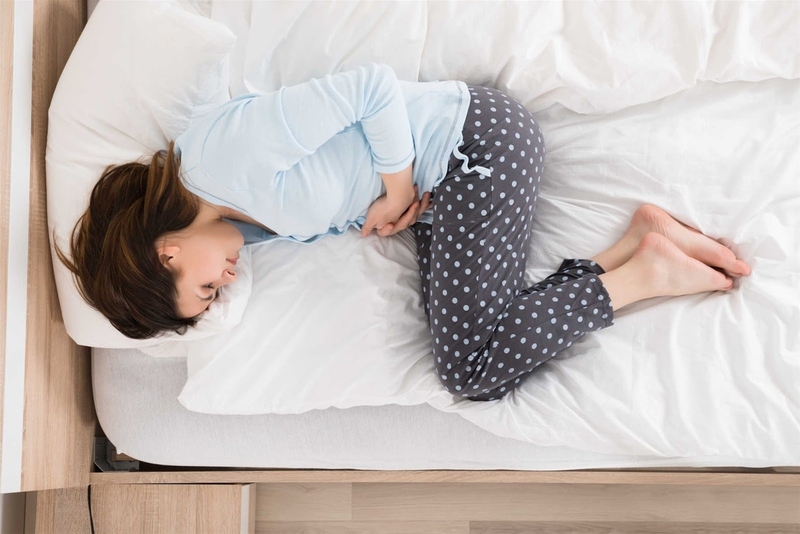
5. Uterine Fibroids Can Also Cause Painful Periods
Uterine fibroids are noncancerous growths that develop in or around the uterus.
They are common, and many cause no symptoms at all. Others may affect menstrual bleeding, pelvic pressure, or comfort, depending on their size, number, and location.
Although fibroids are not always painful, they can contribute to difficult periods.
Possible symptoms include:
-
Heavy menstrual bleeding.
-
Periods lasting longer than usual.
-
Pelvic pressure or fullness.
-
Lower abdominal discomfort.
-
Frequent urination if a fibroid presses against the bladder.
-
Pain or discomfort during intercourse in some cases.
Some people with fibroids experience significant menstrual cramping, particularly when the growths affect the uterine cavity or are associated with heavy bleeding.
However, heavy periods and severe cramps can also occur for many other reasons.
A pelvic ultrasound can often help identify fibroids and assess their location and size.
Treatment is not always necessary. If fibroids are causing symptoms, management may involve medication, hormonal treatments, procedures, or surgery, depending on the circumstances.
A clinician can help determine whether fibroids are likely to explain your symptoms or whether another condition should also be investigated.