It might have been a crumpled coat that looked like a lurking figure or, as in one curious incident, a dusty pistachio shell that sparked an entire room’s panic.
The story is simple: Someone noticed a strange object, whispered, "I think it's alive," and instantly, the environment transformed. What was moments ago an inert piece of trash suddenly possessed a body, a head, and mysterious, threatening markings. But nothing about the object had changed—only our perception of it.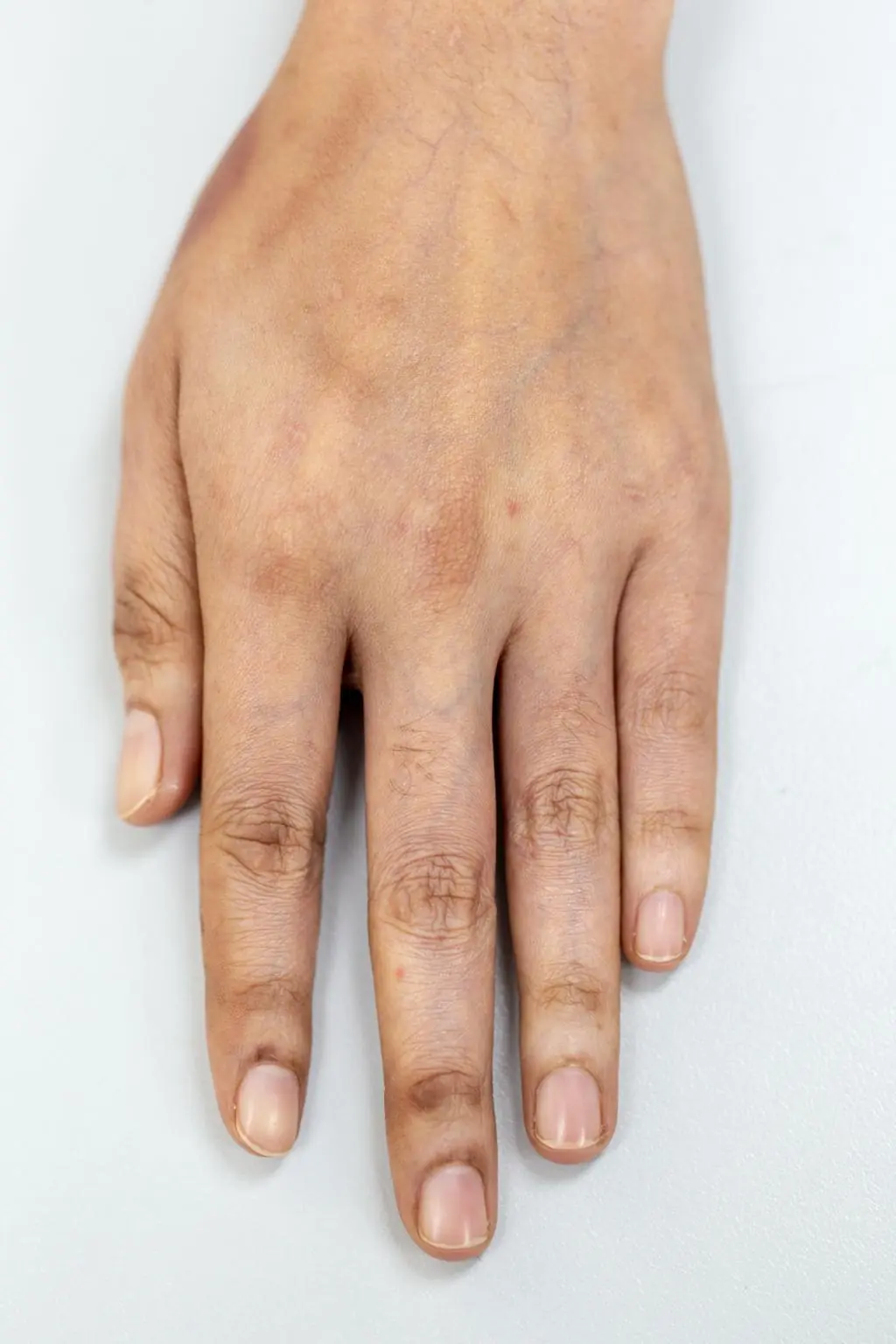
The Psychology of "Top-Down" Fear
This phenomenon is a perfect example of top-down processing. Our brains are not passive cameras recording reality; they are prediction machines. We use our expectations to interpret the world. If we are told to look for a threat, our brain scans for patterns that confirm that threat: teeth, claws, or, in this case, "living" curves. Once the fear is primed, we stop seeing the object as it is and start seeing it as we expect it to be.
Pareidolia: Our Brain’s Pattern-Finding Habit
Humans are evolutionary experts at spotting shapes—especially faces. This tendency is called pareidolia. It’s why we see faces in clouds, animals in rock formations, and expressions on the front of cars. It is a survival mechanism that helped our ancestors quickly identify predators. However, in the modern world, this skill often misfires, leading us to see "monsters" in mundane items like food scraps or shadows.
The Anatomy of a Laugh
Why do we laugh so hard once the "monster" is revealed to be a piece of food? It’s the release of accumulated tension. Our bodies prepare for a fight-or-flight response when we encounter a threat. When we realize the "creature" is just a harmless shell, the brain’s alarm system shuts down instantly. The massive contrast between the anticipated threat and the benign reality creates a surge of relief that manifests as hysterical laughter.
Social Contagion: Why Fear Spreads
Fear is undeniably contagious. We are hardwired to use the reactions of others as data. If one person screams, the collective instinctively shifts into caution mode, even without proof of danger. In an emergency, this herd behavior saves lives. In everyday life, however, it turns minor confusions into full-blown panics.
This is especially prevalent in the digital age. Online, an ambiguous photo of a "mysterious object" can trigger thousands of anxious comments, with people guessing everything from parasites to aliens—only for the truth to be, quite often, something as boring as a discarded snack.
A Lesson for the Future
The next time you feel a spike of fear over an unknown object, take a breath. Remember: Fear is an alarm system, not a factual conclusion. Before you panic, try these steps:
-
Change your perspective: Look from another angle.
-
Consult logic: Ask yourself what the most likely, mundane explanation is.
-
Fact-check: Use the "kitchen tongs" approach—keep a safe distance and investigate with reason rather than emotion.
Sometimes, the "monster" under the bed is just a shadow or a piece of debris. By understanding how our brains trick us, we can stop the panic before it starts and save our energy for real challenges.