Many women assume that if they feel healthy, have no pain, and notice no unusual symptoms, their reproductive health must be in good condition. While this is often true, it's not always the case. Some uterine conditions can develop silently for months - or even years without causing noticeable discomfort. In some cases, these conditions are only discovered during a routine pelvic examination or imaging test performed for an unrelated reason.
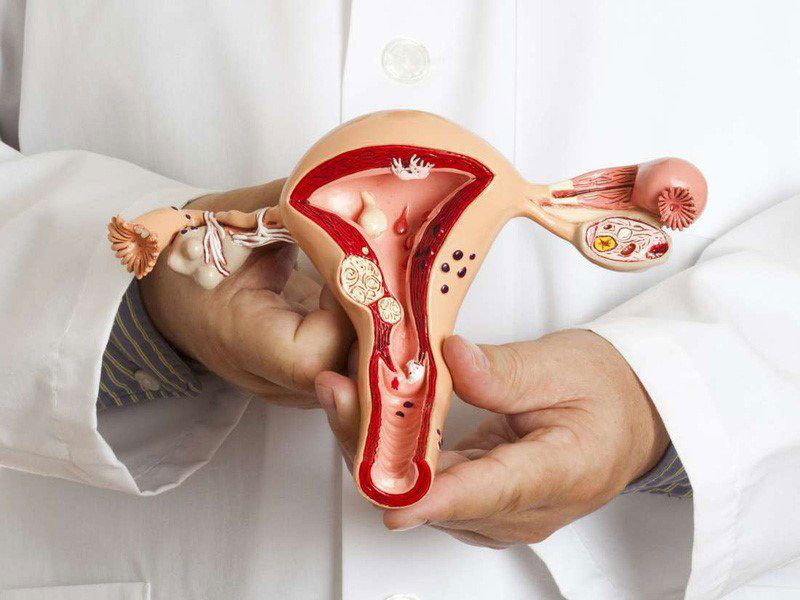
The uterus is a remarkable organ that plays an essential role in menstruation, fertility, and pregnancy. However, like any other organ, it can be affected by a variety of conditions, ranging from benign growths such as fibroids and polyps to more serious disorders, including certain cancers. Early detection through routine gynecological care can make a significant difference in treatment options and outcomes.
This article explores why some uterine conditions remain symptom-free, the types of conditions that may be discovered during routine check-ups, common warning signs when they do occur, and practical steps women can take to protect their reproductive health.
Why Some Uterine Conditions Cause No Symptoms
One of the most surprising aspects of many uterine disorders is that they may not produce symptoms in their early stages.
This can happen because:
-
Small abnormalities may not interfere with normal uterine function.
-
Some growths develop slowly over many years.
-
Pain-sensitive tissues may not be affected initially.
-
Symptoms may be mild enough to be mistaken for normal menstrual changes.
As a result, some women only learn they have a uterine condition during:
This highlights the importance of preventive healthcare, even when you feel well.
The Uterus: A Brief Overview
The uterus is a muscular organ located in the pelvis between the bladder and the rectum.
Its primary functions include:
-
Supporting pregnancy
-
Shedding the uterine lining during menstruation
-
Helping nourish a developing fetus
-
Contracting during childbirth
Because the uterus responds to hormonal changes throughout life, it can develop a variety of conditions that differ by age and reproductive stage.
Common Uterine Conditions That May Be Found During Routine Exams
A routine examination may identify several different uterine conditions. Not all are dangerous, and many are treatable.
1. Uterine Fibroids
Fibroids are non-cancerous growths that develop within or on the uterus.
They are one of the most common uterine conditions in women of reproductive age.
Many fibroids cause no symptoms at all.
When symptoms do occur, they may include:
-
Heavy menstrual bleeding
-
Pelvic pressure
-
Frequent urination
-
Constipation
-
Lower back pain
-
Pain during intercourse
Treatment depends on:
-
Size
-
Location
-
Symptoms
-
Age
-
Pregnancy plans
2. Endometrial Polyps
Polyps are small growths that develop in the lining of the uterus (endometrium).
Many are benign.
Some women have no symptoms, while others experience:
-
Irregular bleeding
-
Spotting between periods
-
Bleeding after menopause
-
Heavy menstrual periods
Because some polyps can contain abnormal or precancerous cells, healthcare providers may recommend removal and laboratory evaluation.
3. Adenomyosis
Adenomyosis occurs when tissue similar to the uterine lining grows into the muscular wall of the uterus.
Some women have no symptoms.
Others may experience:
-
Heavy periods
-
Severe menstrual cramps
-
Pelvic pain
-
Enlarged uterus
The condition is more common in women during their 40s and 50s but can occur earlier.
4. Endometrial Hyperplasia
This condition involves thickening of the uterine lining.
It is often related to excess estrogen without enough progesterone.
Some cases may progress to endometrial cancer if left untreated.
Possible symptoms include:
However, some women have no symptoms.
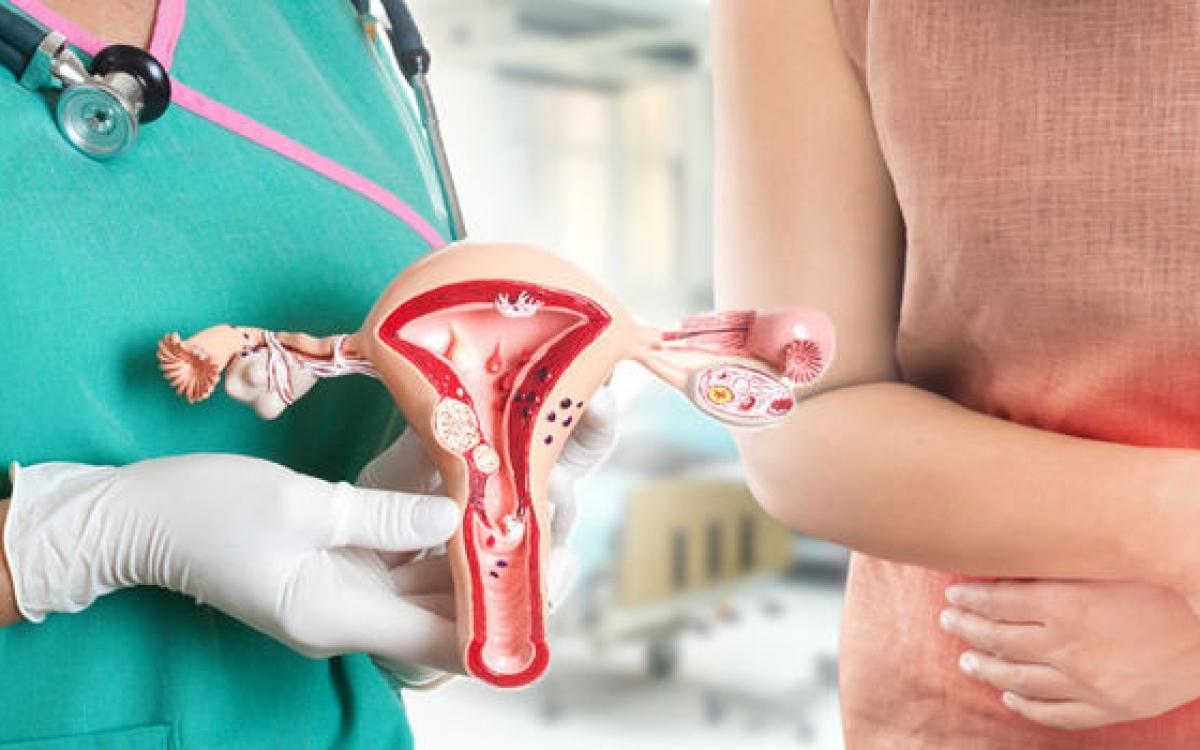
5. Endometrial (Uterine) Cancer
Endometrial cancer is one of the most common gynecologic cancers.
The encouraging news is that it is often detected early because many women develop abnormal uterine bleeding.
However, in its earliest stages, some individuals may have no noticeable symptoms.
Risk increases with:
Early diagnosis greatly improves treatment outcomes.
6. Cervical Changes Found During Screening
Although the cervix is technically separate from the uterus, routine gynecological visits often evaluate both.
Pap tests may detect:
These findings often appear before symptoms develop.
Regular screening has dramatically reduced cervical cancer deaths in many countries.
Possible Warning Signs of Uterine Problems
Although some women have no symptoms, others may notice:
-
Heavy menstrual bleeding
-
Bleeding between periods
-
Bleeding after menopause
-
Pelvic pain
-
Pelvic pressure
-
Pain during intercourse
-
Frequent urination
-
Constipation
-
Enlarged abdomen
These symptoms do not necessarily indicate a serious condition but should be evaluated.
Why Routine Gynecological Check-Ups Matter
Preventive care is not only for people who feel unwell.
Routine visits may help detect conditions before complications develop.
Depending on your age, medical history, and risk factors, a routine visit may include:
-
Medical history review
-
Pelvic examination
-
Pap test (when recommended)
-
HPV testing (when appropriate)
-
Breast examination
-
Discussion of menstrual changes
-
Evaluation of menopausal symptoms
Your healthcare provider will determine which screenings are appropriate for you.
The Role of Pelvic Ultrasound
Pelvic ultrasound is one of the most useful imaging tests for evaluating the uterus.
It may identify:
Ultrasound is painless and does not use ionizing radiation.
Who May Be at Higher Risk?
Certain factors increase the likelihood of uterine disorders.
These include:
-
Age over 40
-
Obesity
-
Diabetes
-
High blood pressure
-
Family history of uterine cancer
-
Never having been pregnant (for some conditions)
-
Hormonal imbalances
-
Polycystic ovary syndrome (PCOS)
-
Use of certain medications, such as tamoxifen
Having one or more risk factors does not mean you will develop disease, but it may influence screening recommendations.
Healthy Habits That Support Uterine Health
While not all uterine conditions are preventable, healthy lifestyle choices support overall reproductive health.
Consider:
Maintain a Healthy Weight
Excess body fat can influence estrogen levels, which may affect the uterine lining.
Exercise Regularly
Regular physical activity supports:
-
Hormonal balance
-
Weight management
-
Cardiovascular health
Aim for at least 150 minutes of moderate-intensity exercise each week, unless advised otherwise.
Eat a Balanced Diet
Focus on:
-
Fruits
-
Vegetables
-
Whole grains
-
Lean protein
-
Healthy fats
A nutrient-rich diet supports overall health and may help reduce the risk of chronic diseases.
Avoid Smoking
Smoking increases the risk of several cancers and negatively affects overall health.
Quitting smoking benefits nearly every organ system.
Know Your Family History
If close relatives have had uterine, ovarian, colorectal, or breast cancer, discuss this with your healthcare provider.
Some inherited conditions may influence screening recommendations.
When Should You See a Healthcare Provider?
Schedule a medical appointment if you notice:
-
Bleeding after menopause
-
Very heavy menstrual bleeding
-
Bleeding between periods
-
Persistent pelvic pain
-
Unexplained pelvic pressure
-
Pain during intercourse
-
A rapidly enlarging abdomen
Even if these symptoms are caused by a benign condition, evaluation is important.
Common Myths About Uterine Health
Myth 1: No Symptoms Means No Disease
Many uterine conditions, including fibroids, polyps, and some early cancers, may cause few or no symptoms initially.
Myth 2: Heavy Periods Are Always Normal
While menstrual flow varies, unusually heavy or prolonged bleeding should be discussed with a healthcare provider.
Myth 3: Only Older Women Develop Uterine Conditions
Fibroids, adenomyosis, and polyps can affect younger women as well.
Risk for some cancers does increase with age.
Myth 4: A Normal Pap Test Detects Every Gynecologic Condition
Pap tests are designed primarily to screen for cervical abnormalities.
They do not detect all uterine conditions.
Additional tests may be needed depending on symptoms and risk factors.
The Importance of Early Detection
Many uterine conditions respond well to treatment when identified early.
Early diagnosis may offer:
Routine care helps identify problems before they become more serious.
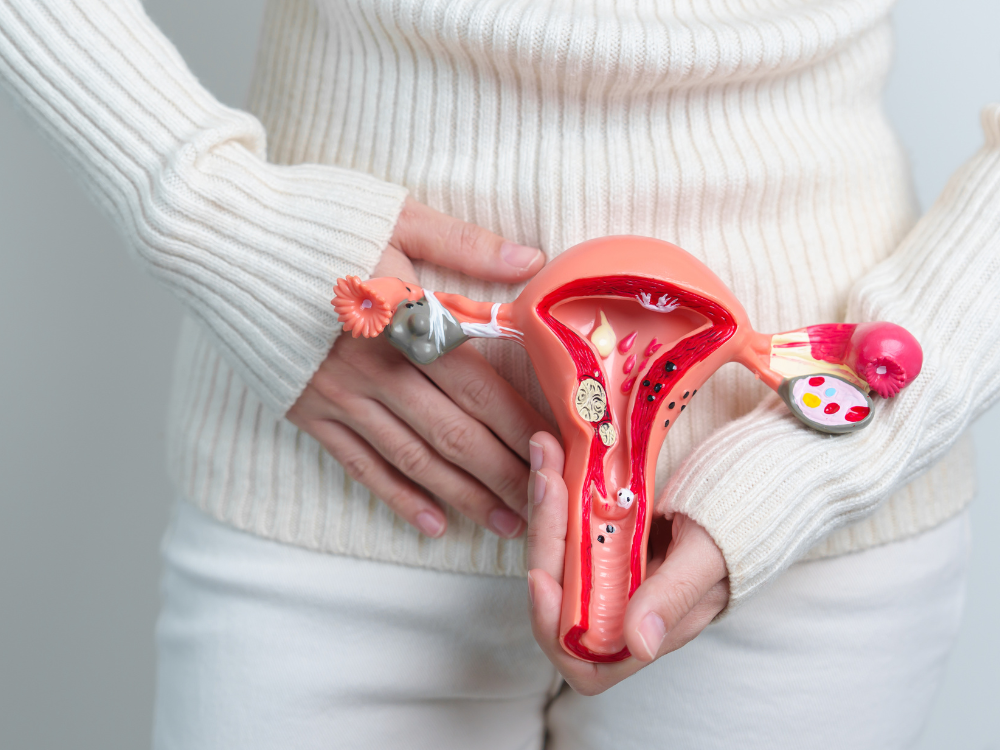
The Bottom Line
Some uterine conditions develop quietly, without causing noticeable symptoms. Conditions such as fibroids, endometrial polyps, adenomyosis, endometrial hyperplasia, and even certain early-stage cancers may sometimes be discovered during routine gynecological examinations or imaging studies.
Feeling well is encouraging, but it does not always guarantee that every aspect of your reproductive health is normal. Regular check-ups and recommended screenings remain an important part of preventive healthcare.
Final Thoughts
Your reproductive health deserves attention even when everything seems normal. Routine gynecological care is not only about addressing symptoms—it is about detecting potential problems early, when they are often easier to treat and less likely to cause complications.
If you experience unusual bleeding, persistent pelvic discomfort, changes in your menstrual cycle, or simply have concerns about your reproductive health, don't hesitate to speak with your healthcare provider. And even if you feel completely healthy, attending regular preventive examinations can provide reassurance and, in some cases, identify silent conditions before they become more serious.
Taking a proactive approach today may help protect your health for years to come.