Many people believe that avoiding candy, cakes, and sugary drinks is enough to prevent type 2 diabetes. While limiting added sugars is certainly a healthy habit, the reality is much more complex. Type 2 diabetes develops over time and is influenced by a combination of genetics, lifestyle, body weight, physical activity, and overall dietary patterns—not simply by whether someone enjoys sweets.
It is not uncommon to hear stories of people who rarely ate desserts yet were diagnosed with type 2 diabetes. These stories often surprise people and highlight an important lesson: diabetes risk is about much more than sugar alone.
Understanding how type 2 diabetes develops can help individuals make informed decisions about their health and reduce their risk through evidence-based lifestyle choices.
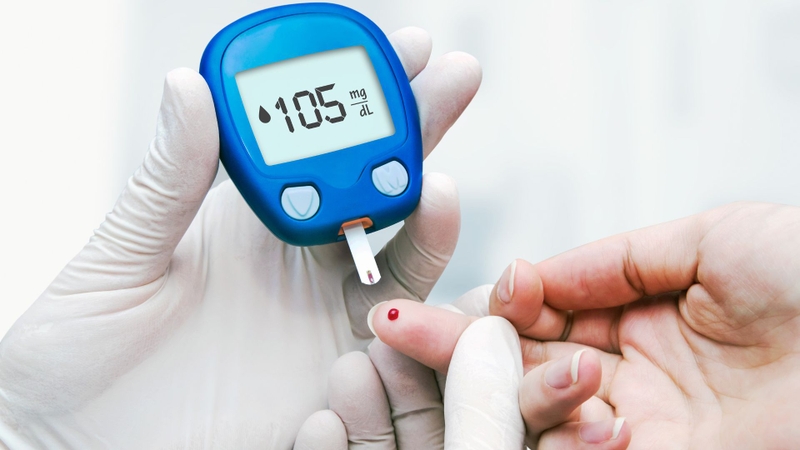
What Is Type 2 Diabetes?
Type 2 diabetes is a chronic condition in which the body becomes resistant to insulin or does not produce enough insulin to keep blood sugar levels within a healthy range.
Insulin is a hormone made by the pancreas that helps move glucose (sugar) from the bloodstream into cells, where it is used for energy.
When insulin doesn't work effectively:
-
Blood sugar levels rise.
-
The pancreas works harder to produce more insulin.
-
Over time, insulin production may decline.
Without proper management, persistently high blood sugar can increase the risk of complications affecting the heart, kidneys, eyes, nerves, and blood vessels.
Is Sugar the Only Cause of Type 2 Diabetes?
No.
Although diets high in added sugars may contribute to weight gain and increase the risk of developing type 2 diabetes, sugar itself is not the sole cause.
The disease develops through the interaction of many factors, including:
-
Family history
-
Age
-
Excess body weight
-
Physical inactivity
-
Overall dietary pattern
-
Sleep quality
-
Stress
-
Certain medical conditions
This is why some people who rarely eat sweets may still develop diabetes, while others who occasionally enjoy desserts do not.
Why Someone Who Avoids Sweets Can Still Develop Diabetes
1. Overall Carbohydrate Intake Matters
Many foods that don't taste sweet still contain carbohydrates that the body converts into glucose.
Examples include:
-
White rice
-
White bread
-
Noodles
-
Potatoes
-
Refined breakfast cereals
-
Pastries
-
Crackers
Eating large portions of refined carbohydrates regularly may contribute to higher blood sugar levels over time.
2. Excess Calories Can Lead to Weight Gain
Even foods considered "healthy" can contribute to weight gain if consumed in excessive amounts.
Excess body fat—particularly around the abdomen—is associated with insulin resistance, one of the key factors in type 2 diabetes.
3. Physical Inactivity
Regular physical activity helps muscles use glucose more efficiently.
People who spend much of the day sitting may have a higher risk of insulin resistance, even if they avoid sugary foods.
Exercise also supports:
-
Weight management
-
Heart health
-
Blood pressure
-
Overall metabolic health
4. Genetics Play an Important Role
Some people inherit a greater tendency to develop type 2 diabetes.
Having a parent or sibling with diabetes increases an individual's risk, although lifestyle choices can still make a meaningful difference.
5. Age Increases Risk
Although type 2 diabetes is increasingly diagnosed in younger adults, the risk generally rises with age.
Natural changes in metabolism, body composition, and insulin sensitivity contribute to this increased risk.

Foods That May Influence Diabetes Risk
No single food causes diabetes, but dietary patterns matter.
Refined Grains
Frequently eating refined grains such as:
-
White bread
-
White rice
-
Refined pasta
may contribute to rapid increases in blood sugar compared with whole-grain alternatives.
Sugar-Sweetened Beverages
Regular consumption of:
-
Soft drinks
-
Sweetened teas
-
Energy drinks
-
Fruit-flavored beverages with added sugar
has consistently been associated with a higher risk of type 2 diabetes.
Highly Processed Foods
Many processed foods are high in:
-
Refined carbohydrates
-
Sodium
-
Unhealthy fats
-
Added sugars
Replacing these foods with minimally processed options may support overall health.
Processed Meats
Some research suggests that frequent consumption of processed meats, such as bacon, sausages, and hot dogs, is associated with a higher risk of type 2 diabetes.
The reasons are likely multifactorial and continue to be studied.
Foods That May Support Healthy Blood Sugar
A balanced diet emphasizing whole foods can support metabolic health.
Examples include:
-
Vegetables
-
Fruits
-
Whole grains
-
Beans and lentils
-
Nuts
-
Seeds
-
Fish
-
Lean poultry
-
Unsweetened dairy products
These foods provide fiber, vitamins, minerals, and healthy fats that contribute to overall wellness.
Common Early Signs of Type 2 Diabetes
Many people have no noticeable symptoms during the early stages.
When symptoms do occur, they may include:
-
Increased thirst
-
Frequent urination
-
Fatigue
-
Blurred vision
-
Slow-healing cuts
-
Frequent infections
-
Unexplained weight loss
-
Increased hunger
Anyone experiencing these symptoms should seek medical evaluation rather than attempting self-diagnosis.
Lifestyle Habits That Can Lower Risk
Maintain a Healthy Weight
Even modest weight loss in people who are overweight may improve insulin sensitivity and reduce diabetes risk.
Stay Physically Active
Health organizations generally recommend at least 150 minutes of moderate-intensity physical activity per week, along with muscle-strengthening activities on two or more days.
Examples include:
-
Brisk walking
-
Cycling
-
Swimming
-
Dancing
-
Resistance training
Eat More Fiber
Fiber slows digestion and supports more gradual rises in blood sugar after meals.
Good sources include:
-
Oats
-
Whole grains
-
Vegetables
-
Fruits
-
Legumes
Choose Healthy Fats
Replacing saturated fats with unsaturated fats from foods such as:
-
Olive oil
-
Nuts
-
Seeds
-
Avocados
-
Fatty fish
may support heart health, which is especially important for people at risk of diabetes.
Get Enough Sleep
Poor sleep is associated with insulin resistance and may increase the risk of type 2 diabetes.
Most adults benefit from 7–9 hours of quality sleep each night.
Manage Stress
Long-term stress can affect hormones involved in blood sugar regulation.
Helpful strategies include:
-
Regular exercise
-
Relaxation techniques
-
Social support
-
Mindfulness practices
Common Myths About Type 2 Diabetes
Myth 1: Only People Who Eat a Lot of Sugar Develop Diabetes
False.
Type 2 diabetes develops because of many interacting factors, not sugar alone.
Myth 2: Thin People Can't Develop Type 2 Diabetes
False.
Although excess body weight increases risk, people with a normal body weight can also develop the condition.
Myth 3: If You Feel Fine, Your Blood Sugar Must Be Normal
False.
Many people have elevated blood sugar for years before symptoms appear.
Routine screening is important for those with risk factors.
Myth 4: Diabetes Is Entirely Preventable
Not always.
Healthy lifestyle choices can substantially reduce the risk of type 2 diabetes, but genetics and other non-modifiable factors also play important roles.
When Should You Get Screened?
You should discuss diabetes screening with your healthcare provider if you:
-
Are 35 years or older (or younger if you have additional risk factors, depending on local screening guidelines).
-
Have a family history of diabetes.
-
Are overweight or have obesity.
-
Have high blood pressure.
-
Have abnormal cholesterol levels.
-
Had gestational diabetes during pregnancy.
-
Have polycystic ovary syndrome (PCOS).
-
Lead a physically inactive lifestyle.
Regular blood tests can identify prediabetes or diabetes before complications develop.

Final Thoughts
The idea that only people who eat a lot of sweets develop type 2 diabetes is a common misconception. While limiting added sugars is a smart choice for overall health, diabetes risk depends on the bigger picture - including genetics, body weight, physical activity, sleep, stress, and the overall quality of your diet. Foods such as refined grains, sugar-sweetened beverages, and highly processed products may contribute to risk when consumed frequently, but no single food causes diabetes on its own.
The most effective approach to reducing the risk of type 2 diabetes is adopting sustainable, evidence-based habits: eating a balanced diet rich in whole foods, staying physically active, maintaining a healthy weight, sleeping well, and attending regular health screenings. These measures not only support healthy blood sugar levels but also improve heart health, energy, and overall quality of life.