A dermatologist can evaluate the skin's appearance, distribution, history, and possible triggers to determine whether a specific skin disorder is responsible.
Chapter 8: The Role of Medications
Sometimes, the reason skin becomes dry is not an underlying disease but a medication.
Many medications can influence skin moisture, oil production, circulation, fluid balance, or the body's response to irritation.
Certain treatments used for acne, including medications that reduce oil production, may cause significant dryness. Some diuretics can affect fluid balance. Other medications may contribute to itching, skin reactions, or changes in moisture.
The effects depend on the specific medication, dosage, individual sensitivity, and other health conditions.
If someone notices a new skin problem after starting or changing a medication, it is worth discussing with the prescribing healthcare professional.
The timing can provide useful information. Symptoms that begin shortly after a medication change may suggest a possible connection, although this does not establish causation.
People should not stop prescribed medications on their own because of dry skin. Abruptly discontinuing certain medications can create serious health risks.
Instead, a doctor may determine whether the medication could be contributing, whether the dosage should be adjusted, or whether an alternative treatment is appropriate.
Chapter 9: Why Age Can Make Dry Skin More Common
As people age, the skin undergoes natural changes.
The production of certain oils may decrease. The skin may become thinner, less elastic, and more vulnerable to damage. The protective barrier may not function as efficiently as it once did.
These changes can make older adults more susceptible to dryness, itching, and irritation.
Environmental factors may have a greater impact as well. Frequent bathing, hot water, low humidity, air conditioning, heating systems, and harsh cleaning products can worsen dryness.
Older adults may also have multiple medical conditions and take several medications, increasing the possibility that skin symptoms are influenced by more than one factor.
Although dry skin is common with aging, severe or persistent itching should not automatically be considered normal.
When symptoms significantly affect sleep, cause open wounds, or appear alongside other unexplained changes, medical evaluation can help identify treatable causes.
Age-related dryness can often be managed with consistent skin care, but the goal should be to distinguish ordinary changes from conditions that require treatment.
Chapter 10: Nutrition and the Skin's Ability to Repair Itself
The skin requires a range of nutrients to maintain its structure, function, and ability to repair damage.
Protein helps support tissue maintenance. Essential fatty acids contribute to cell membranes and skin barrier function. Vitamins and minerals participate in processes involved in cell growth, collagen formation, immune function, and wound healing.
When a person has significant nutritional deficiencies, the skin may sometimes become affected.
However, nutritional deficiencies are not the most common explanation for ordinary dry skin, and taking supplements without evidence of a deficiency may not improve symptoms.
A balanced diet that includes adequate protein, healthy fats, fruits, vegetables, and other nutrient-rich foods supports general health.
People with restrictive diets, digestive disorders, poor appetite, or conditions affecting nutrient absorption may be at greater risk of certain deficiencies.
If a clinician suspects that nutrition is contributing to skin changes, they may evaluate dietary patterns, medical history, and appropriate laboratory tests.
The key is to avoid assuming that every dry skin problem can be corrected by taking vitamins.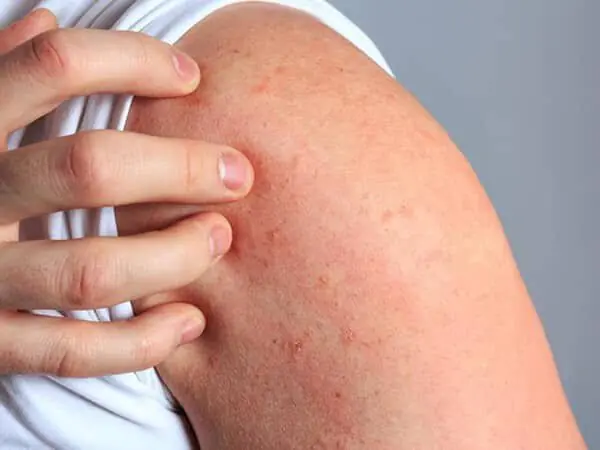
Conclusion: Your Skin May Be Telling You Something But It Cannot Diagnose You
Dry skin is extremely common. In most cases, it is caused by environmental factors, aging, excessive washing, harsh products, or changes in the skin's protective barrier.
But persistent dryness, intense itching, unexplained skin changes, or symptoms that do not respond to basic care should not automatically be dismissed.
Sometimes, the problem may involve a skin condition such as eczema or contact dermatitis. In other situations, doctors may consider whether thyroid problems, diabetes, kidney disease, medication effects, nutritional issues, or other medical conditions are contributing.
The skin cannot determine exactly what is happening inside the body, and dry skin alone does not mean that someone has a serious illness.
Still, paying attention to changes can be valuable.
If your skin suddenly becomes persistently dry, unusually itchy, painful, cracked, or difficult to manage, consider speaking with a healthcare professional, especially if you notice other symptoms.
A moisturizer may be all that is needed in many cases. But sometimes, understanding why the skin changed in the first place is the most important step toward finding relief.
The message is simple: do not panic over ordinary dryness, but do not ignore persistent changes either. Your skin deserves attention — and so does the rest of your health.