Regular Checkups Matter
Another important lesson is the value of preventive healthcare.
Women should follow the cervical cancer screening schedule recommended in their country and based on their age and individual risk factors.
Screening recommendations can differ depending on the healthcare system and whether testing involves HPV, cervical cytology, or both.
A routine appointment can also provide an opportunity to discuss symptoms that may otherwise feel embarrassing.
There is no reason to feel ashamed about asking a doctor about:
-
unusual discharge
-
bleeding
-
pelvic pain
-
itching
-
changes in menstruation
-
pain during sex
-
urinary symptoms
-
or a new lump
These are medical issues, not something a person should feel guilty about.
A Busy Lifestyle Can Make Us Ignore Our Health
There is another part of Xiao Ya's story that many people may recognize.
It isn't necessarily the hygiene issue.
It's the pattern of constantly putting yourself last.
Work comes first.
Family comes first.
Bills come first.
Other people's problems come first.
And your own health gets pushed toward the bottom of the list.
Sometimes this means skipping medical appointments.
Sometimes it means ignoring symptoms.
Sometimes it means continuing unhealthy habits because there simply doesn't seem to be enough time to change them.
Over time, that approach can become dangerous—not because every missed health habit causes cancer, but because delayed attention can allow many medical conditions to go undiagnosed.
Taking Care of Yourself Doesn't Have to Be Complicated
Good health doesn't require an elaborate daily routine.
Small habits can make a meaningful difference.
Get enough sleep when possible.
Eat a varied diet.
Stay physically active.
Avoid smoking.
Moderate alcohol consumption.
Practice appropriate personal hygiene.
Pay attention to persistent symptoms.
Keep up with recommended vaccinations and screening.
And perhaps most importantly, don't postpone medical care simply because you're young or busy.
Don't Overdo Intimate Hygiene
There is also an important misconception worth correcting.
Some women believe that the more aggressively they clean their intimate area, the healthier they will be.
That's not necessarily true.
Harsh soaps, fragranced products, sprays, and vaginal douching can cause irritation.
The vagina has a natural microbial environment that plays an important role in maintaining vaginal health.
For routine care, gentle external cleaning is generally sufficient.
If there is a persistent odor, unusual discharge, itching, burning, or pain, the answer isn't necessarily stronger cleaning products.
The better approach is to find out why the symptom is occurring.
It could be an infection, hormonal change, irritation, or another condition that requires appropriate treatment.
Cancer Is Not a Punishment for a “Bad Habit”
Perhaps this is the most important lesson to take from stories like Xiao Ya's.
When someone develops cancer, it is tempting to search for one behavior that caused it.
People often ask:
“What did they do wrong?”
But cancer doesn't work that simply.
Cancer usually develops through a complicated combination of genetic changes, environmental exposures, infections, lifestyle factors, aging, and chance.
Sometimes doctors can identify major risk factors.
Sometimes they cannot.
That means a cancer diagnosis should never automatically be interpreted as evidence that someone failed to take care of themselves.
Compassion matters.
Accurate information matters.
And prevention should focus on factors that are actually supported by evidence.
What Xiao Ya's Story Can Really Teach Us
Whether every detail of a widely circulated personal story can be independently verified is a separate question.
But the broader health message remains valuable.
Don't ignore your body.
Don't assume persistent symptoms are normal simply because you're young.
Don't rely on social-media claims to diagnose yourself.
Don't use harsh products in an attempt to achieve “perfect” intimate hygiene.
And don't postpone appropriate medical care because work or daily responsibilities seem more urgent.
Your health deserves a place on your schedule.
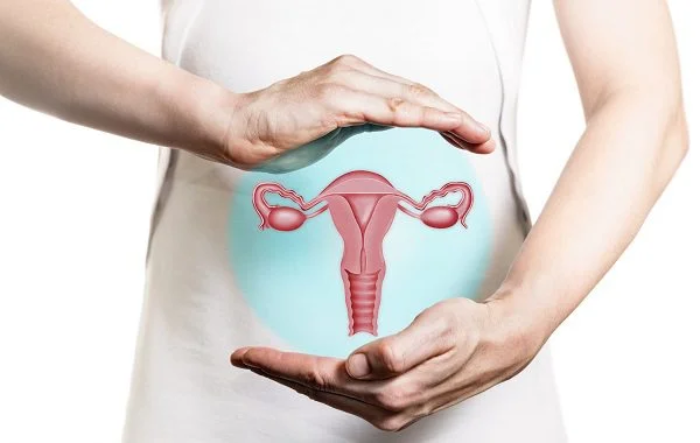
A Mother's Regret Can Become a Reminder for Others
For Xiao Ya's mother, the experience was deeply painful.
She remembered telling her daughter to take better care of herself and wished she could go back and somehow change the past.
But regret cannot rewrite a diagnosis.
What families can do is turn painful experiences into opportunities for awareness.
Rather than telling women that one particular habit “causes cancer,” a more useful message is this:
Know your body. Understand your risk factors. Keep up with appropriate screening. And seek medical attention when something changes and doesn't go away.
That message is both safer and more empowering.
Your Health Shouldn't Always Come Last
Life can become overwhelmingly busy.
There will always be another deadline.
Another responsibility.
Another reason to postpone an appointment.
But your body doesn't send a calendar invitation when something needs attention.
Sometimes the warning is subtle.
Sometimes it is uncomfortable.
And sometimes it is easy to dismiss.
That doesn't mean every unusual symptom is cancer.
Most aren't.
But persistent or unexplained changes deserve an explanation.
At 26, Xiao Ya may never have imagined that cancer could become part of her story.
That's precisely why stories like hers can encourage a more thoughtful approach to women's health.
Not fear.
Not blame.
Not the belief that one imperfect habit caused a devastating disease.
Instead:
awareness, prevention, appropriate screening, and the courage to seek help when something doesn't feel right.
Because taking care of yourself isn't selfish.
It is one of the most important ways you protect the future you are still hoping to live.