Teachers are no longer the only source of knowledge available to young people.
This does not make teachers less important.
In many ways, it makes their role more important.
Students need help understanding which information is reliable, how different ideas connect, and how to think critically about what they encounter.
A teacher can provide structure, context, and guidance that a random online video cannot offer.
The most effective educators do not simply compete with technology for attention.
They help students use information intelligently.
The teacher in the viral account reportedly attracted attention through a traditional human skill: storytelling.
She used her voice, movement, and knowledge to communicate with students directly.
That is a reminder that education does not always require sophisticated equipment.
A classroom can become engaging through the way a teacher explains an idea.
Technology can support learning, but it cannot automatically create curiosity.
A well-prepared teacher who understands the students may be able to achieve something that a digital presentation cannot.
The lesson is not that every teacher should imitate the same style.
It is that teaching should remain responsive to the people in the classroom.
The Story Behind the Dramatic Headline
The phrase “Teacher gets kicked for provoking her students” is designed to make readers curious.
It suggests that something unusual happened and that the teacher may have faced consequences.
But the supplied text tells a different story.
It describes a history teacher in Monterrey whose enthusiastic lesson reportedly attracted attention after students filmed her.
The students are presented as admirers rather than complainants.
The account does not name the teacher, identify the school, provide an original video, or cite a confirmed disciplinary decision.
That means the claim of dismissal remains unverified.
There are genuine cases in which teachers have been removed from classrooms after conflicts with students. There are also genuine cases in which students have criticized teaching methods and asked educators to become more engaging.
For example, a widely reported 2013 incident at Duncanville High School in Texas involved a student who complained about a teacher's use of worksheets and argued that students needed more interactive teaching. The student had been removed from class after a disagreement. That incident was separate from the Monterrey story and should not be confused with it.
The existence of other classroom controversies does not establish that the teacher in the viral account was fired.
A headline can combine dramatic wording with a story that does not support the implied conclusion.
Readers should pay attention to the actual information provided.
In this case, the more accurate description is that a story about an enthusiastic history teacher circulated online, while the claim that she was kicked out has not been substantiated by the supplied material.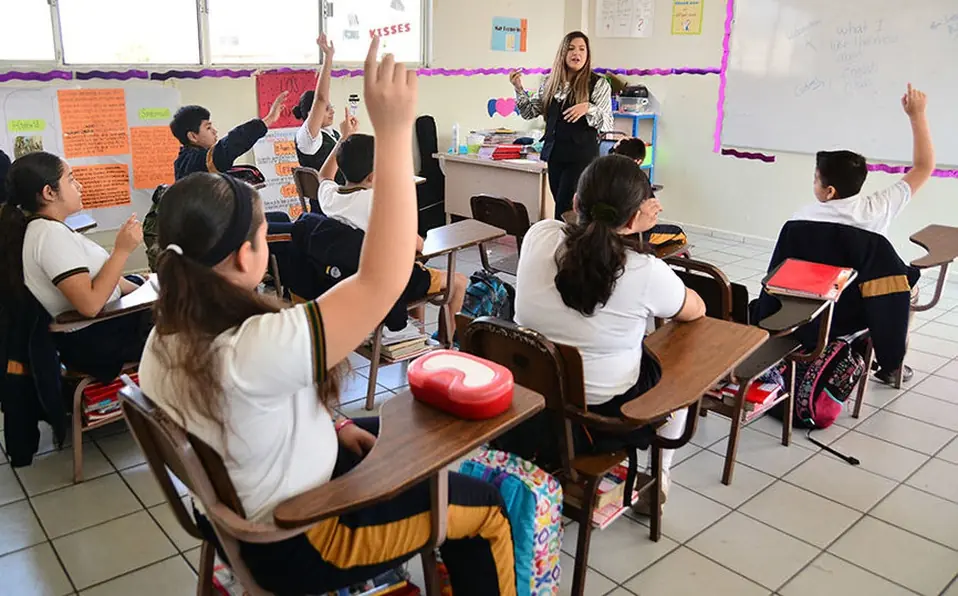
Why the Students' Praise Matters
The most meaningful sentence in the account may be the one attributed to the students:
“This is how the best teacher in the world teaches.”
It is a simple expression of admiration.
The students were reportedly not focused on whether the teacher followed a conventional style.
They were impressed by the way she made the subject come alive.
That reaction is worth considering because students often have a clear sense of what makes a lesson engaging.
They know when they are merely copying information.
They know when they are being invited to think.
They know when a teacher has made an effort to explain something in a memorable way.
Of course, student praise does not automatically prove that a lesson was academically successful.
Learning still needs to be assessed.
Students need to understand the material, develop skills, and demonstrate what they have learned.
But positive engagement can be an important first step.
A student who is interested in a subject is more likely to pay attention and ask questions.
That interest can create the conditions for deeper learning.
The teacher's reported lesson appears to have achieved that first step.
It made students interested enough to record the moment and share it with others.
A Reminder for Teachers Everywhere
Teachers do not need to become performers to be effective.
Some educators are naturally expressive. Others are calm, thoughtful, and quietly engaging.
Both styles can work.
The important thing is to communicate clearly and create an environment where students can learn.
A teacher who uses storytelling can make history memorable.
A teacher who uses experiments can make science easier to understand.
A teacher who encourages discussion can help students develop confidence and critical thinking.
A teacher who provides patient explanations can help students overcome frustration.
There is no single formula for an excellent classroom.
What matters is whether the teaching method serves the students and the learning objectives.
The story of the Monterrey teacher is appealing because it presents a moment when enthusiasm and student interest appeared to meet.
The lesson reportedly became so memorable that students wanted to preserve it.
That is a powerful reminder of what education can look like when a teacher brings genuine energy to the subject.
The Real Meaning of the Viral Classroom Moment
The story began with a teacher giving a history lesson.
It reportedly became popular because students found her approach unusual, entertaining, and inspiring.
The dramatic headline may suggest a controversy, but the available account does not confirm that the teacher was dismissed.
What remains is a story about the power of passionate teaching.
It reminds us that students do not always need more worksheets or longer explanations.
Sometimes they need a teacher who can help them see why a subject matters.
Sometimes they need a lesson that feels different from the routine.
And sometimes they need to witness an adult who is genuinely excited about sharing knowledge.
The teacher described in the account reportedly gave her students that experience.
Whether the original video reached millions of people or a smaller audience, the idea behind the story is worth remembering.
A great lesson does not end when the bell rings.
It continues in the questions students ask, the ideas they explore, and the memories they carry into the future.
That may be the most meaningful answer to the viral headline.
The teacher's greatest achievement was not necessarily becoming the center of an online discussion.
It was making her students want to remember what happened in the classroom.