Not everyone knows how to select naturally fresh, high-quality shrimp that have not been injected with water or treated with chemicals. When buying shrimp, you may notice that some are unusually straight while others are naturally curved. So which type should you choose?
A seafood trader with many years of experience has revealed the difference between “straight shrimp” and “curved shrimp.” If you do not know how to tell them apart, you may end up buying shrimp that have been stored too long after dying. These shrimp often have poor texture, a strong fishy odor, and inferior flavor no matter how they are cooked.
When shopping at a supermarket or traditional market, you should generally choose curved shrimp. After shrimp die, their muscles become loose, causing the body to remain straight no matter how it is handled. Live shrimp, on the other hand, naturally curl their bodies when exposed to cold temperatures. As a result, fresh shrimp usually retain a slightly curved shape after being chilled.
In other words, unlike frozen shrimp that have deteriorated, been treated with chemicals, or stored for too long, fresh shrimp tend to have gently curved bodies and firm, springy flesh. They may not appear unusually large or thick.
However, many people still find it difficult to distinguish between wild-caught shrimp, farm-raised shrimp, and shrimp that have been treated with chemicals. One of the most common questions is whether to choose straight or curved shrimp. The following tips can help you select delicious, high-quality shrimp that are safe to eat.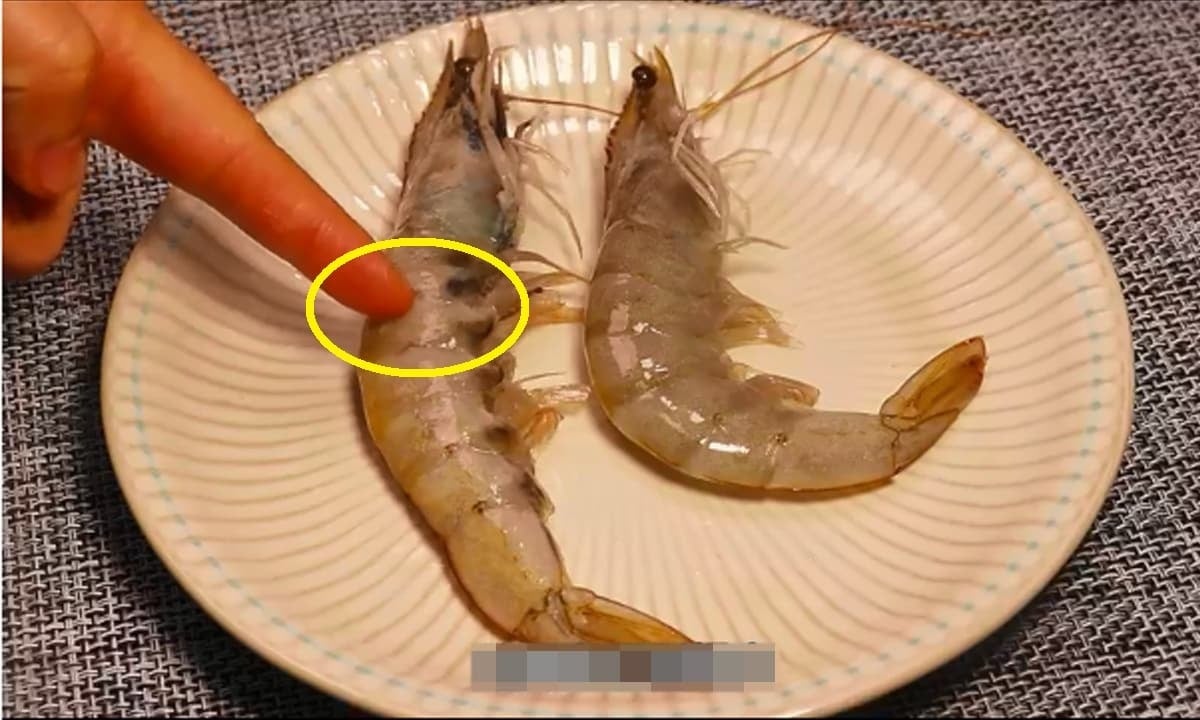
How to Tell Wild-Caught Shrimp from Farm-Raised Shrimp
Wild-caught shrimp, harvested from rivers and oceans, are often valued for their naturally sweet flavor, firmer texture, and lower likelihood of antibiotic residues. You can look for the following characteristics:
Shell Color
Wild-caught shrimp:
The shells are usually darker, with clearly defined patterns and a natural, non-glossy appearance.
Farm-raised shrimp:
They often appear lighter in color with shinier shells, and may sometimes look pale if they have been soaked in chemicals or ice water.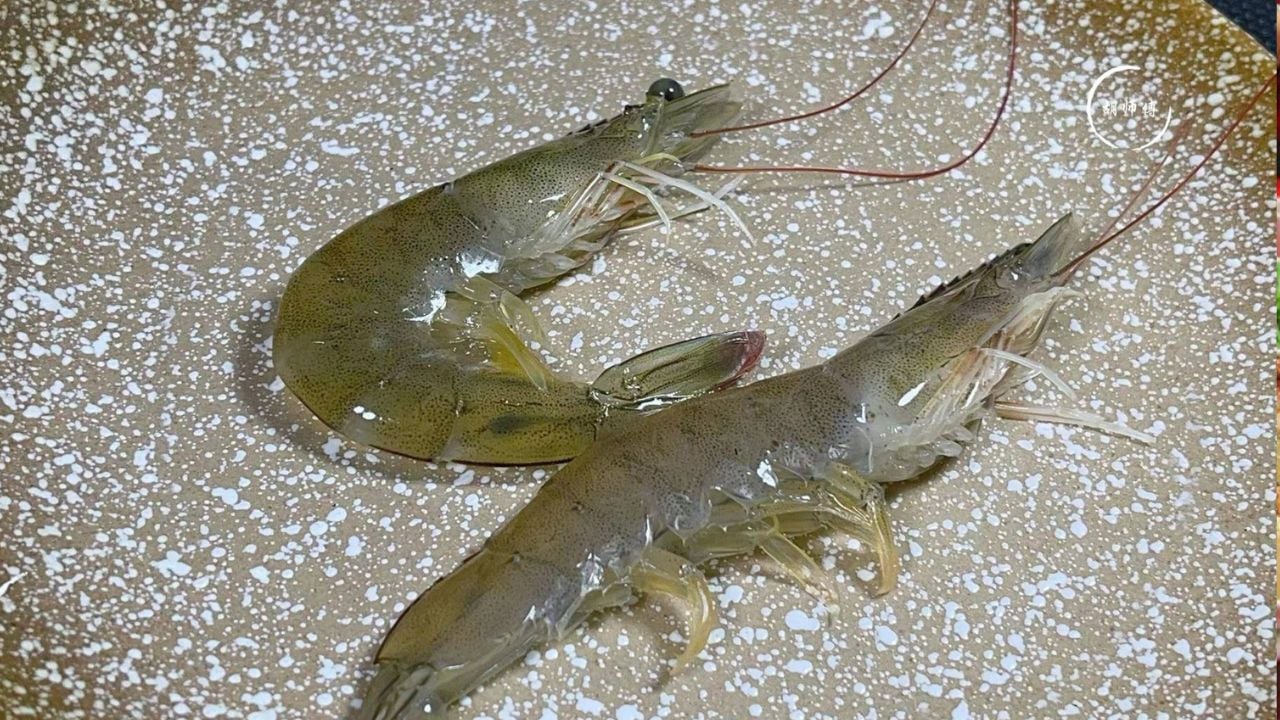
Size and Body Shape
Wild-caught shrimp:
Sizes tend to vary, with both large and small shrimp in the same batch. The bodies are typically slimmer but firmer.
Farm-raised shrimp:
They are often more uniform in size and appear plumper, which can make them look more appealing at first glance.
Texture When Pressed
Wild-caught shrimp are highly elastic and feel firm when gently pressed.
Farm-raised or older shrimp may feel soft, mushy, and may have a stronger fishy odor.
Warning Signs of Shrimp Treated with Chemicals
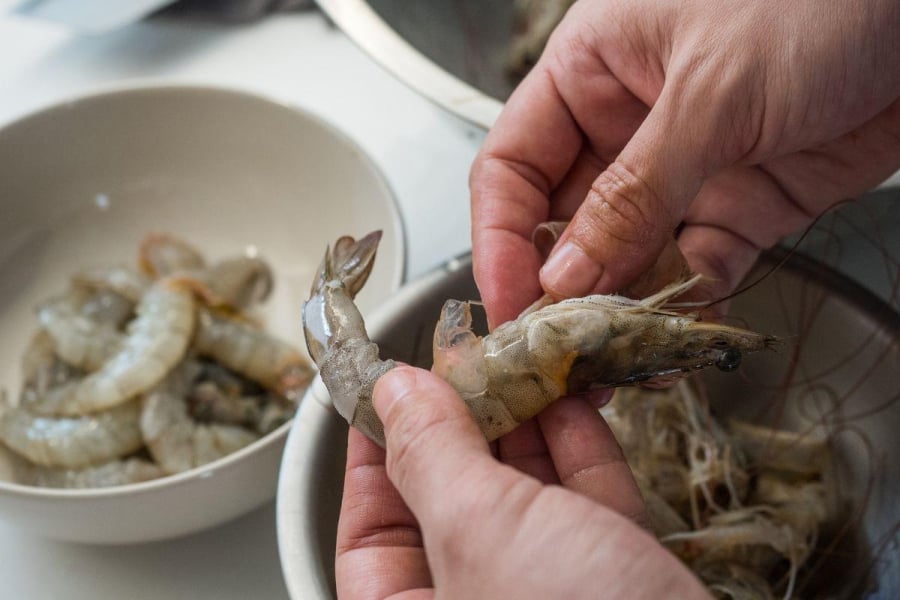
Be cautious if you notice any of the following:
- The head feels loose or separates easily from the body
- The body appears unnaturally swollen or thick but feels fragile
- Water leaks out when the shell is peeled
- The shrimp has an unusual odor rather than a clean, natural seafood smell
Tips from Experienced Seafood Sellers
- Choose shrimp that are still alive and active, or freshly removed from ice with a naturally curved body.
- Shop early in the morning, ideally between 6:00 and 8:00 a.m., when seafood has just arrived.
- If buying frozen shrimp, select whole shrimp with shells, heads, and legs intact. Avoid pre-peeled shrimp, which are more likely to have been soaked in additives.
Naturally curved shrimp are generally a better choice than perfectly straight shrimp, which may indicate that the shrimp have been stored too long or treated with chemicals. By following these simple but important tips, you can choose fresh, flavorful shrimp and provide your family with meals that are both delicious and safe.