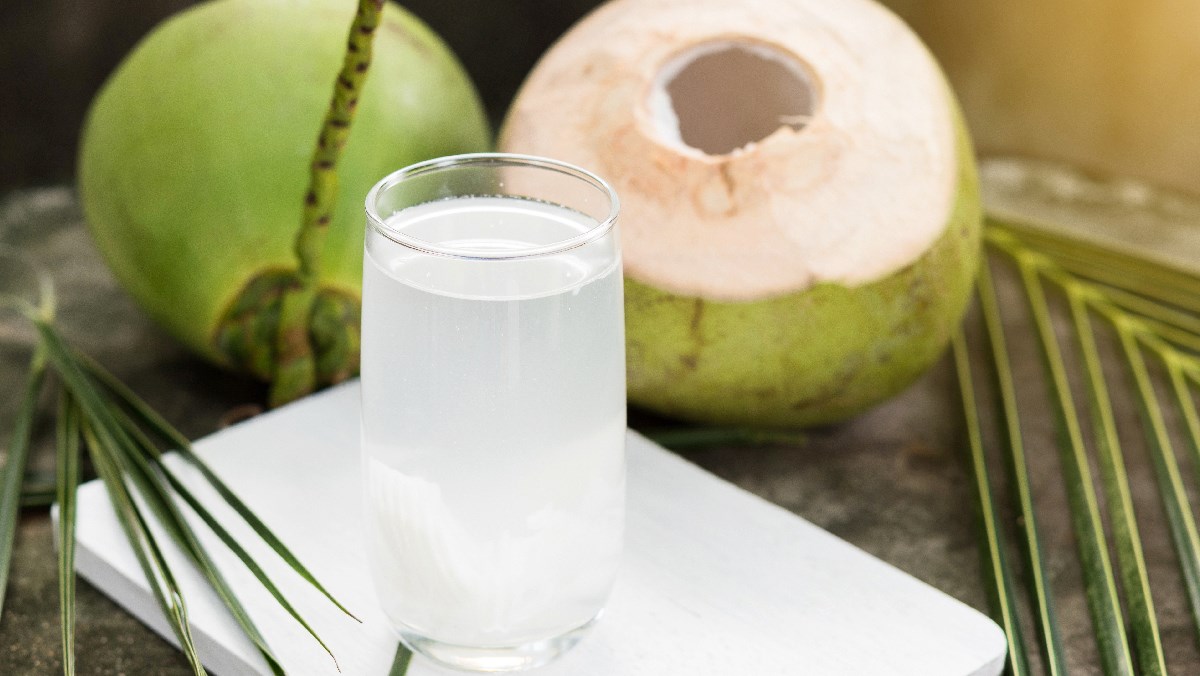
Coconut water has become a popular drink for people looking for a refreshing alternative to soda, juice, or sports drinks. Naturally found inside young green coconuts, it contains water along with electrolytes such as potassium, sodium, and magnesium, plus a modest amount of naturally occurring sugar.
For many healthy adults, coconut water can be a perfectly reasonable beverage. It can contribute to hydration and may be particularly appealing after exercise or in hot weather.
But coconut water isn't automatically the best choice for everyone.
Because it contains potassium, fluid, and carbohydrates, certain people may need to limit how much they drink or discuss it with a healthcare professional first.
Here are 8 groups who may need to be more careful with coconut water.
1. People With Chronic Kidney Disease
This is one of the most important groups to consider.
Healthy kidneys help regulate the amount of potassium in your bloodstream. When kidney function is significantly reduced, the body may have difficulty removing excess potassium.
Coconut water can contain a substantial amount of potassium.
For someone with advanced kidney disease or a medically prescribed potassium restriction, drinking large quantities of coconut water could potentially contribute to excessive potassium intake.
High blood potassium, known as hyperkalemia, can sometimes affect the heart and become a serious medical problem.
However, kidney disease isn't the same for everyone.
Some people with early-stage kidney disease may not need to avoid coconut water completely.
The appropriate amount depends on:
-
Kidney function
-
Blood potassium levels
-
Overall diet
-
Medications
-
Other medical conditions
If you have chronic kidney disease, ask your healthcare professional or dietitian whether coconut water fits your individual diet.

2. People With High Potassium Levels
Even without chronic kidney disease, some people may develop hyperkalemia for other reasons.
Potential contributors include:
-
Certain medications
-
Adrenal disorders
-
Severe tissue injury
-
Some metabolic conditions
-
Reduced kidney function
If you've previously been told that your potassium level is high, don't assume that coconut water is a harmless hydration drink.
Because coconut water naturally contains potassium, drinking large amounts may not be appropriate for you.
Your healthcare professional can tell you whether you need to limit potassium and how much is suitable.
3. People Taking Medications That Can Raise Potassium
Certain medications can increase potassium levels.
Examples can include some:
-
ACE inhibitors
-
ARBs
-
Potassium-sparing diuretics
-
Certain other cardiovascular or kidney medications
This doesn't mean everyone taking these medications must avoid coconut water.
The issue is that dietary potassium and medication effects can sometimes add together.
For example, a person taking a potassium-raising medication who also has reduced kidney function may need to be particularly careful about high-potassium foods and beverages.
If you're taking prescription medication regularly, don't stop it or change your diet dramatically without professional guidance.
A pharmacist or doctor can review your medications and tell you whether potassium-rich foods are a concern.
4. People With Heart Failure or Fluid Restrictions
Coconut water is still a beverage.
That sounds obvious, but it's important for people who have been instructed to restrict their total fluid intake.
Some individuals with heart failure, advanced kidney disease, or certain other medical conditions may need to carefully monitor how much fluid they consume each day.
If you're on a fluid restriction, drinking large bottles of coconut water can contribute significantly to your daily fluid intake.
Coconut water should therefore be counted as part of your total beverages.
It isn't automatically "free fluid" simply because it contains electrolytes.
If your doctor has prescribed a specific daily fluid limit, follow that recommendation.
5. People With Diabetes or Those Watching Blood Sugar
Coconut water contains naturally occurring sugars.
Although it generally contains less sugar than many sodas and fruit drinks, it isn't completely sugar-free.
Depending on the brand and serving size, packaged coconut water may contain a meaningful amount of carbohydrate.
For someone managing diabetes, what matters is:
-
Portion size
-
Total carbohydrate intake
-
Whether the product contains added sugar
-
What else is consumed with it
-
Individual blood-glucose response
A small serving of unsweetened coconut water may fit comfortably into some people's meal plans.
But drinking large quantities throughout the day can add more carbohydrate than expected.
A useful habit
Check the nutrition label.
Look at:
Total carbohydrate
Total sugars
Added sugars
Serving size
A bottle may contain more than one serving, so don't assume the entire container has the nutrition listed for a single serving.
6. People Who Need to Limit Sugar or Calories
Coconut water is often marketed as a naturally healthy beverage, but "natural" doesn't mean calorie-free.
It contains calories primarily from naturally occurring carbohydrates.
If you're trying to reduce your calorie intake or lose weight, drinking large amounts of coconut water may add calories without making you as full as a whole-food snack or meal.
For example, replacing sugary soda with unsweetened coconut water may be a positive change.
But replacing plain water with several large servings of coconut water every day isn't necessarily necessary.
For everyday hydration, plain water remains an excellent option.
Think of coconut water as a beverage that can fit into a balanced diet—not as something you need to drink constantly.
7. People With Certain Digestive Sensitivities
Coconut water is tolerated well by many people, but larger amounts can cause digestive discomfort in some individuals.
Possible symptoms include:
-
Bloating
-
Gas
-
Abdominal discomfort
-
Loose stools
-
Diarrhea
This may be particularly noticeable when someone suddenly drinks a large quantity.
People with sensitive digestive systems or certain gastrointestinal conditions may want to start with a small amount and see how their body responds.
If coconut water consistently causes symptoms, there's no need to force yourself to drink it simply because it's considered a "healthy" beverage.
8. People With a Coconut Allergy or Sensitivity
True coconut allergy is relatively uncommon, but it can occur.
Someone who is allergic to coconut may develop symptoms such as:
-
Hives
-
Itching
-
Swelling
-
Vomiting
-
Abdominal symptoms
-
Wheezing
-
Difficulty breathing
A severe allergic reaction can be life-threatening.
If you've previously experienced an allergic reaction to coconut or coconut-containing products, don't experiment with coconut water on your own.
Seek advice from an allergy specialist or healthcare professional.
And remember that food intolerance and food allergy aren't the same thing. An intolerance may cause digestive symptoms without involving the immune system in the same way an allergy does.
Is Coconut Water Actually Healthy?
For many people, yes.
Coconut water can provide:
-
Water
-
Potassium
-
Magnesium
-
Some sodium
-
Small amounts of other nutrients
-
Naturally occurring carbohydrates
It can be a refreshing alternative to heavily sweetened beverages.
But its health value depends on the context.
For example:
Plain water may be the better choice for ordinary daily hydration.
Coconut water may be appealing after sweating or exercise because it contains electrolytes.
A sugary sports drink may provide more carbohydrate when someone is engaged in prolonged, intense exercise.
The "best" drink depends on the situation.

Coconut Water vs. Plain Water
For everyday hydration, plain water is hard to beat.
Water:
-
Contains no calories
-
Contains no sugar
-
Doesn't add significant potassium
-
Is inexpensive
-
Is widely available
Coconut water can be useful when you enjoy the taste or want some electrolytes, but you don't need it to stay hydrated if you're otherwise eating a balanced diet.
If you're sitting at a desk all day, there's generally no special physiological need to replace your normal water intake with coconut water.
What About Coconut Water After Exercise?
This is where coconut water can make sense.
After sweating, the body loses both water and electrolytes.
Coconut water provides some potassium and sodium, although the exact electrolyte content varies by product.
For short or moderate exercise, normal meals and water are often sufficient for replacing fluids.
After prolonged, intense exercise in hot conditions, a drink specifically formulated for electrolyte and carbohydrate replacement may sometimes be more appropriate.
Again, context matters.
Is Packaged Coconut Water the Same as Fresh Coconut Water?
Not necessarily.
Commercial coconut water can vary considerably.
Some products contain:
-
Added sugar
-
Added flavors
-
Additional fruit juice
-
Different electrolyte concentrations
When choosing packaged coconut water, check the label.
Look for:
Unsweetened or no added sugar
Reasonable serving size
Simple ingredient list
Also remember that "no added sugar" doesn't mean "sugar-free." Coconut water naturally contains sugars.
How Much Coconut Water Is Too Much?
There isn't one universal amount that is safe or appropriate for everyone.
A healthy adult without dietary restrictions may enjoy a moderate serving as part of a balanced diet.
But the appropriate amount depends on:
-
Potassium requirements
-
Kidney function
-
Fluid restrictions
-
Blood glucose
-
Total calorie intake
-
Other dietary sources of potassium
-
Medications
Someone with advanced kidney disease and someone with normal kidney function may have completely different dietary needs.
That's why blanket statements such as "everyone should drink coconut water every day" aren't medically appropriate.
Can Coconut Water Lower Blood Pressure?
Coconut water contains potassium, and potassium is involved in blood-pressure regulation.
Diets containing adequate potassium can support healthy blood pressure in appropriate individuals.
However, drinking coconut water shouldn't be viewed as a treatment for hypertension.
If you have high blood pressure, the most important steps include:
-
Following your prescribed treatment
-
Monitoring blood pressure
-
Limiting excessive sodium
-
Maintaining a healthy weight
-
Staying physically active
-
Eating a balanced diet
-
Not smoking
Don't replace prescribed blood-pressure medication with coconut water.
What About Coconut Water and the Kidneys?
You'll often see claims online that coconut water "cleanses" or "detoxes" the kidneys.
That's misleading.
Your kidneys already filter waste and regulate fluids and electrolytes.
Coconut water does not "flush toxins" out of your kidneys in a special way.
For someone with healthy kidneys, moderate coconut-water consumption can fit into a normal diet.
For someone with impaired kidney function, however, the potassium content may actually be an important consideration.
This is a good example of why a food can be beneficial in one situation but inappropriate in another.
Can Coconut Water Cause High Potassium?
For most healthy people, the body can regulate potassium effectively through the kidneys.
But excessive intake can become problematic in people whose potassium regulation is impaired.
Symptoms of severe hyperkalemia aren't always obvious.
When symptoms occur, they may include:
-
Muscle weakness
-
Fatigue
-
Numbness
-
Abnormal heart rhythm
-
Palpitations
Severe hyperkalemia can be dangerous because potassium plays a major role in the electrical activity of the heart.
If you've been diagnosed with high potassium, follow your healthcare professional's dietary recommendations rather than relying on general nutrition advice online.
Should Older Adults Avoid Coconut Water?
Age alone isn't a reason to avoid coconut water.
However, older adults are more likely to have conditions or take medications that can affect:
-
Kidney function
-
Potassium levels
-
Blood pressure
-
Fluid balance
So the question isn't simply:
"Are you over a certain age?"
A better question is:
"What medical conditions and medications do you have?"
An older adult with normal kidney function and no dietary restrictions may be able to enjoy coconut water without difficulty.
Someone with kidney disease and multiple medications may need more caution.
What About Children?
Coconut water isn't inherently dangerous for healthy older children when consumed in reasonable amounts.
But it shouldn't replace nutritious meals or normal water intake.
For infants, particularly babies under 12 months, feeding recommendations are different. Their primary nutrition should come from breast milk or appropriately prepared infant formula, as recommended by pediatric healthcare professionals.
If you're considering coconut water for a young child with a medical condition, ask a pediatrician first.
A Simple Way to Drink Coconut Water More Wisely
If you enjoy coconut water and don't have a medical reason to restrict it, consider these habits:
Choose Unsweetened Products
Look for products without added sugars when possible.
Watch Portion Size
A large bottle can contain multiple servings.
Use It as a Beverage, Not a Cure
Don't expect it to detox your body or treat disease.
Keep Drinking Plain Water
Coconut water doesn't need to replace all of your water intake.
Consider Your Total Diet
If you're already eating many potassium-rich foods, consider your overall potassium intake if you've been advised to restrict it.
Foods That Also Contain Potassium
Coconut water isn't the only source of potassium.
Other foods can include:
-
Bananas
-
Potatoes
-
Tomatoes
-
Beans
-
Lentils
-
Avocados
-
Leafy greens
-
Oranges
-
Dried fruits
For healthy people, potassium-rich foods are generally part of a nutritious diet.
But people on potassium restrictions need to consider the total amount from all foods and beverages, not just coconut water.
Don't Confuse Coconut Water With Coconut Milk
These are very different products.
Coconut Water
The naturally occurring liquid inside a young coconut.
It is generally low in fat and contains electrolytes and carbohydrates.
Coconut Milk
Made by blending coconut flesh with water.
It contains considerably more fat and calories.
They should not be treated as nutritionally interchangeable.
Potential Benefits for Healthy Adults
For people without relevant medical restrictions, moderate coconut-water consumption may offer several advantages.
Hydration
Its high water content contributes to fluid intake.
Electrolytes
It provides potassium and smaller amounts of other electrolytes.
Alternative to Sugary Drinks
Unsweetened coconut water can be a reasonable alternative to soda or heavily sweetened beverages.
Convenience
It's easy to consume after exercise or while traveling.
But none of these benefits mean that coconut water is essential.
A healthy diet can provide electrolytes and nutrients from many different foods.
Common Myths About Coconut Water
Myth 1: Coconut Water Detoxes Your Kidneys
There is no special detox effect.
Your kidneys already perform this function.
Myth 2: Everyone Should Drink Coconut Water Every Day
Not necessarily.
Some people need to monitor potassium, fluid, sugar, or calories.
Myth 3: Coconut Water Has No Sugar
It contains naturally occurring sugars.
Myth 4: More Coconut Water Means More Hydration
More isn't always better.
If you're already adequately hydrated, drinking excessive amounts simply adds more fluid and nutrients you may not need.
Myth 5: Coconut Water Can Replace Medication
It cannot.
It should never replace prescribed treatment for hypertension, kidney disease, diabetes, or other medical conditions.
When Should You Ask a Doctor Before Drinking It?
Talk with your healthcare professional if you have:
-
Chronic kidney disease
-
High blood potassium
-
Heart failure
-
A prescribed fluid restriction
-
Diabetes requiring careful carbohydrate management
-
A history of coconut allergy
-
A condition requiring potassium restriction
-
Medications that affect potassium levels
You don't necessarily need to avoid coconut water.
The point is to determine whether the amount you're drinking fits your individual medical plan.
A Quick Checklist
Before making coconut water a daily habit, consider:
☐ Do I have normal kidney function?
☐ Have I ever been told my potassium is high?
☐ Do I take medication that can increase potassium?
☐ Have I been prescribed a fluid restriction?
☐ Do I need to carefully monitor carbohydrate intake?
☐ Does coconut cause allergic or digestive symptoms for me?
☐ Does the product contain added sugar?
☐ Am I drinking a reasonable serving rather than several large bottles?
If you answered "yes" to any medical-risk question, it's worth discussing coconut water with a healthcare professional.
The Bottom Line
Coconut water can be a refreshing and nutritious beverage for many healthy people. It provides water, potassium, magnesium, and other electrolytes and can be a useful alternative to some sugary drinks.
But it isn't automatically appropriate for everyone.
People with kidney disease, high potassium levels, certain heart conditions, fluid restrictions, diabetes, specific medication regimens, digestive sensitivities, or coconut allergies may need to be more cautious.
The biggest issue for many people isn't coconut water itself—it's how much they drink and their individual health circumstances.
If you're healthy and enjoy coconut water, a moderate serving can generally fit into a balanced diet.
If you have a medical condition affecting your kidneys, heart, potassium, blood sugar, or fluid balance, don't rely on generic advice.
Ask your healthcare professional how coconut water fits into your personal diet.
Final Thoughts
Coconut water has earned its reputation as a refreshing source of electrolytes, but it's not a miracle drink—and it's not necessary for everyone.
For a healthy person, enjoying a glass occasionally or using it after a sweaty workout may be perfectly reasonable.
For someone with advanced kidney disease or a potassium restriction, however, that same drink may require much more careful consideration.
Healthy foods and beverages aren't universally healthy in unlimited amounts. Context matters.
The smartest approach is simple: check the label, watch your portion, understand your medical needs, and choose beverages that fit your overall diet and health plan.