Cucumbers are a familiar vegetable in everyday meals. However, many people occasionally encounter cucumbers that taste bitter, especially at the tip or near the stem. So, are bitter cucumbers safe to eat? What causes the bitterness, and how can you choose cucumbers that are fresh and less likely to taste bitter?
Just one bite of an unusually bitter cucumber can ruin your appetite. Many people wonder whether such cucumbers are safe to eat or should simply be thrown away.
According to agricultural experts, the bitterness in cucumbers is usually associated with a group of natural compounds called cucurbitacins. These compounds are naturally present in the gourd family, but modern commercial cucumber varieties generally contain them in very low amounts.
If a cucumber is only slightly bitter and shows no signs of spoilage, bruising, or mold, it is generally safe to eat. However, if the bitterness is extremely strong, spreads throughout the entire cucumber, or causes significant discomfort, it is best to discard it to avoid affecting your appetite and digestive system.
The most common cause is the plant's growing conditions. During periods of excessive heat, prolonged drought, or dramatic temperature fluctuations, cucumber plants tend to produce more cucurbitacins than usual.
Environmental stress causes these bitter compounds to accumulate mainly around the stem end and in the skin. This is why many people find the tip of the cucumber more bitter than the middle section. Intense heat waves during summer often significantly increase the number of bitter cucumbers.
In addition, factors such as plant variety, nutrient-poor soil, and improper cultivation techniques can also raise cucurbitacin levels. Cucumbers that develop unevenly or experience stress during growth are generally more prone to bitterness.
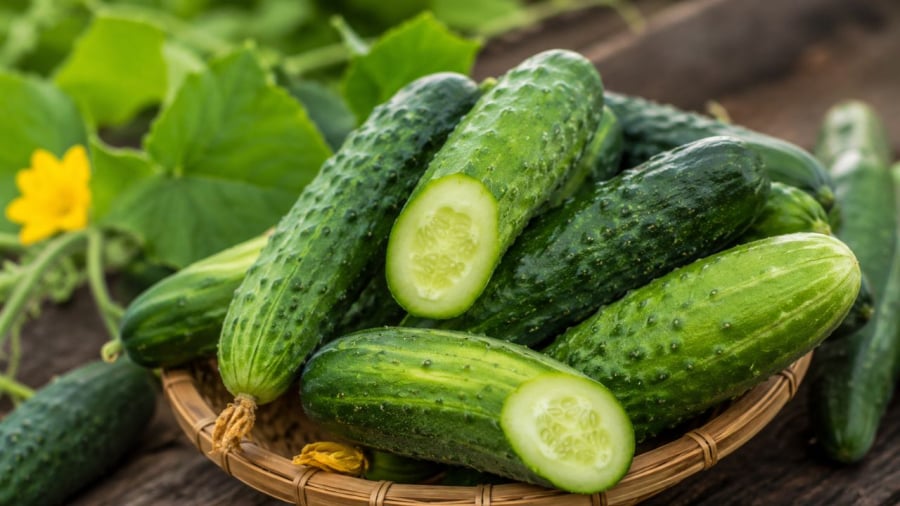
2. Are Bitter Cucumbers Harmful to Your Health?
In most cases, bitterness simply reduces the eating quality of the cucumber and does not necessarily mean that it is toxic or spoiled. Commercial cucumbers typically contain only low levels of cucurbitacins.
However, cucumbers that taste unusually bitter, extremely sharp, or bitter throughout the entire fruit should not be consumed. Some studies suggest that excessively high levels of cucurbitacins may cause nausea, stomach pain, or digestive discomfort.
People with sensitive digestive systems, young children, and older adults should be especially cautious. If the cucumber tastes distinctly bitter from the first bite, the simplest solution is to stop eating it and choose another one.
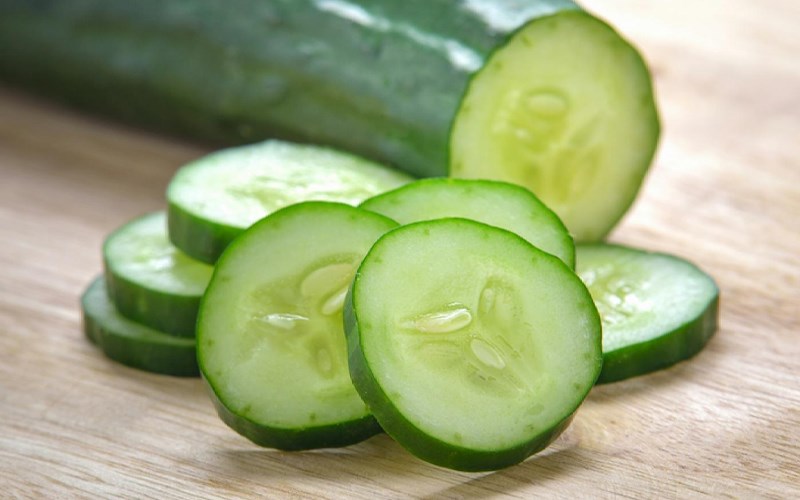
3. Tips for Choosing Good Cucumbers That Are Less Likely to Be Bitter
When buying cucumbers, choose those with a uniform green color, a fresh appearance, a firm feel, and a relatively straight shape. These are usually signs that the cucumber developed properly and was harvested at the right time.
Overripe cucumbers often have thicker skin, larger seeds, and a higher likelihood of bitterness. Moderately young cucumbers with balanced sizes are typically sweeter, crunchier, and more refreshing.
Also, pay attention to the stem. A fresh green stem indicates that the cucumber was recently harvested. Cucumbers with dry, shriveled stems or signs of dehydration are usually no longer at their best quality. In particular, juicing a large number of bitter cucumbers and concentrating them into a small glass is not recommended, as the high concentration of bitter compounds may lead to adverse reactions.
4. How to Reduce Bitterness When Preparing Cucumbers
If the bitterness is only mild and concentrated near the stem end, cut off about 1–2 centimeters from that area before eating. This is where bitter compounds often accumulate the most.
A popular traditional trick is to cut off the tip of the cucumber and rub the two cut surfaces together until a white foam appears. Although the effectiveness may vary from one cucumber to another, many people believe this method helps reduce bitterness.
Peeling the cucumber is also useful because bitter compounds tend to concentrate near the skin. After peeling, you can soak the cucumber in cold water for a short period before serving to make it taste fresher and more refreshing.
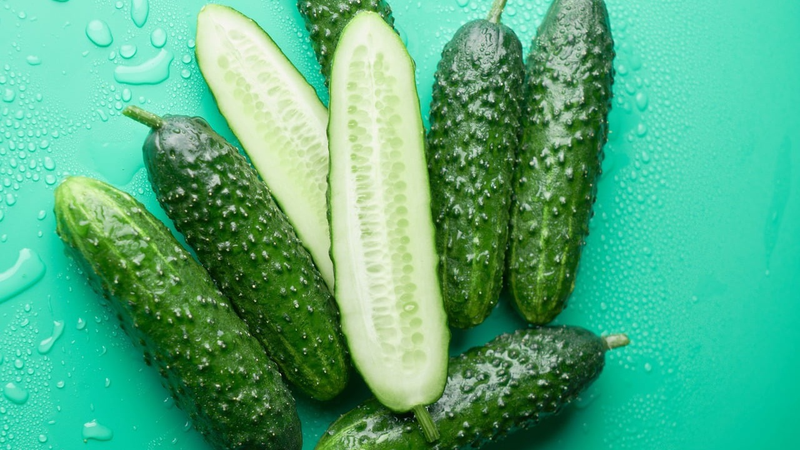
5. How to Avoid Buying Bitter Cucumbers
Choose cucumbers from reliable suppliers, preferably stores with good storage practices or products with clear origins. The quality of the seeds and cultivation conditions plays a major role in determining the flavor of cucumbers.
During prolonged hot weather, the likelihood of encountering bitter cucumbers is generally higher. Therefore, consumers should inspect cucumbers carefully and avoid purchasing large quantities before assessing their quality.
If you regularly consume cucumbers, buying them during the appropriate season and choosing freshly harvested batches can significantly reduce the chances of ending up with unpleasantly bitter cucumbers.
Bitter cucumbers are not always dangerous, but their bitterness indicates that they have accumulated higher-than-normal levels of cucurbitacins. If the bitterness is mild, you can remove the stem end, peel the skin, or prepare the cucumber properly to reduce the unpleasant taste. On the other hand, cucumbers with an unusually strong and pervasive bitterness should be discarded. Knowing how to choose fresh cucumbers at the right stage of maturity and from reliable sources will make your meals more enjoyable while minimizing the risk of buying bitter cucumbers.