Should You Eat Cracked Eggs? Understanding the Risks and Precautions
Eggs are a staple in many households due to their nutritional value and versatility in cooking. However, a common question that arises is whether cracked eggs are safe to eat. While it might seem wasteful to discard a cracked egg, consuming it without proper consideration can pose health risks.
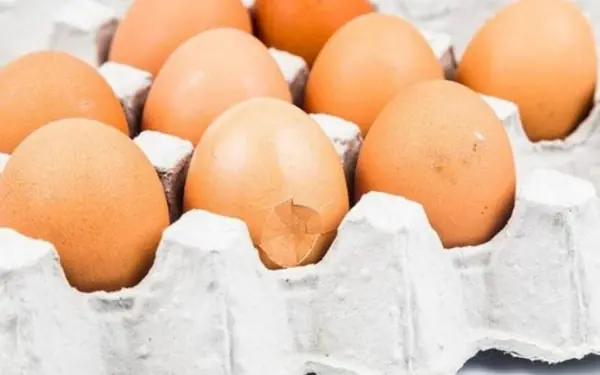
1. Why Do Eggs Crack?
Eggs can crack due to various reasons, such as:
-
Handling and Transportation: Eggs may crack during shipping or while being placed in the fridge.
-
Sudden Temperature Changes: Moving eggs from a cold to a warm environment can cause the shell to crack.
-
Impact or Pressure: Even a minor bump against another object can lead to small fractures in the eggshell.
2. Are Cracked Eggs Safe to Eat?
The safety of eating a cracked egg depends on when and how the crack occurred:
-
Before Purchase: If an egg is already cracked before buying, it is best to avoid it as bacteria may have already entered.
-
After Purchase but Refrigerated: If an egg cracks while stored in the fridge but the membrane remains intact, it may still be safe to consume if cooked thoroughly.
-
Eggs Cracked During Cooking: If an egg cracks while boiling, it is generally safe to eat as long as it is fully cooked.
3. Health Risks of Eating Cracked Eggs
Cracked eggs are more susceptible to bacterial contamination, especially from Salmonella, a bacteria that can cause food poisoning. Symptoms include nausea, vomiting, diarrhea, and fever. Bacteria can enter through cracks in the shell, making it unsafe to consume raw or undercooked eggs.
4. How to Handle Cracked Eggs Safely
If you choose to use cracked eggs, consider the following precautions:
-
Use Immediately: Do not store cracked eggs for later use.
-
Cook Thoroughly: Ensure the egg is fully cooked to eliminate any bacteria.
-
Discard Bad-Smelling Eggs: If the egg has an unusual odor, discard it immediately.
-
Store Properly: If a crack occurs but the membrane is intact, transfer the egg to an airtight container and refrigerate. Use it as soon as possible.
5. Conclusion
While it may be tempting to use cracked eggs to reduce waste, they pose potential health risks. To ensure food safety, it is best to avoid consuming eggs that were cracked before purchase and always cook cracked eggs thoroughly before eating. Prioritizing proper food handling and hygiene can help prevent foodborne illnesses and keep your meals safe and nutritious.