Garlic has been used in cooking and traditional medicine for thousands of years. Today, it is often promoted as a natural way to support heart health, immunity, blood pressure, digestion, and even sleep.
One popular wellness habit is eating raw garlic before going to bed.
The idea sounds simple: eat a clove of garlic at night and let its natural compounds “work” while you sleep.
But is there actually something special about eating garlic before bed?
The answer is more nuanced than many social-media claims suggest.
Garlic is a nutritious food containing biologically active sulfur compounds, and research has investigated its potential effects on cardiovascular health and other areas. However, there is no strong evidence that eating garlic specifically at bedtime provides unique health benefits compared with consuming garlic at other times of day.
For some people, garlic can be a useful addition to a balanced diet. For others, especially those with sensitive digestion or acid reflux, eating raw garlic shortly before lying down may actually be uncomfortable.
So before making raw garlic your nightly ritual, here's what you should know.
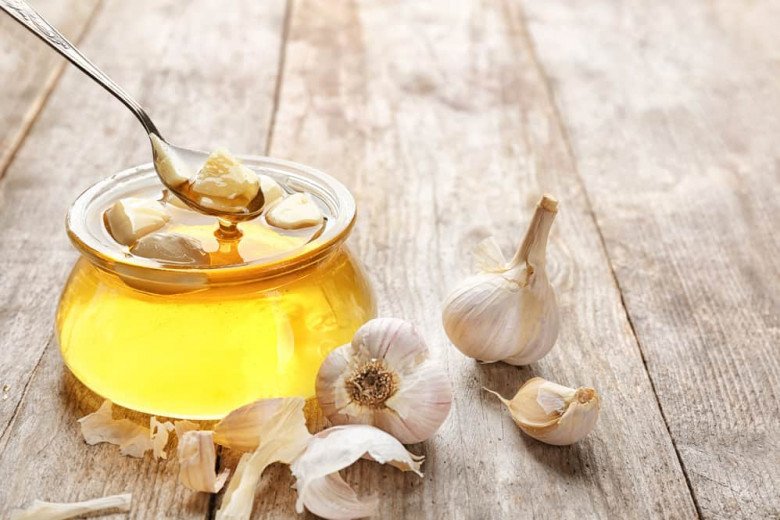
Garlic Contains Powerful Natural Compounds
Garlic belongs to the Allium family of plants, alongside onions, shallots, leeks, and chives.
Its distinctive smell and many of its biological properties come from sulfur-containing compounds.
One of the best-known is allicin, which can form when garlic is chopped, crushed, or chewed.
Interestingly, intact garlic doesn't contain large amounts of free allicin.
Instead, crushing or cutting the garlic activates an enzyme called alliinase, which helps convert certain compounds into allicin.
This is one reason preparation matters when discussing garlic's potential biological effects.
But it is also important to distinguish laboratory findings from proven clinical benefits.
A compound can demonstrate interesting biological activity without meaning that eating one clove of garlic every night will prevent or treat a particular disease.
1. Garlic May Support Cardiovascular Health
One of the most extensively studied areas of garlic research is cardiovascular health.
Some clinical studies and reviews have investigated garlic and garlic-derived preparations in relation to factors such as:
-
Blood pressure
-
Cholesterol
-
Triglycerides
-
Vascular function
Some evidence suggests that certain garlic preparations may produce modest reductions in blood pressure in people with hypertension.
Research has also examined whether garlic supplementation can influence cholesterol levels.
However, results vary depending on the preparation, dose, duration, and population being studied.
This distinction is important.
Eating garlic as part of a healthy diet is not the same thing as taking a standardized garlic extract.
And neither should be viewed as a replacement for prescribed blood-pressure or cholesterol treatment.
2. Garlic May Have Antioxidant and Anti-Inflammatory Properties
Garlic contains a variety of sulfur compounds and other plant chemicals that have demonstrated antioxidant or anti-inflammatory activity in laboratory and experimental research.
Oxidative stress and chronic inflammation are involved in many diseases, which is one reason scientists are interested in foods containing these compounds.
But this does not mean garlic “cleans” inflammation out of the body or prevents every disease associated with oxidative stress.
Nutrition rarely works that simply.
The potential value of garlic is better understood as part of a broader dietary pattern that includes a variety of vegetables, fruits, whole grains, legumes, nuts, and other nutrient-rich foods.
3. Could Garlic Help Your Immune System?
Garlic is often marketed as an immune-boosting food.
There is some scientific interest in garlic's potential effects on immune function and respiratory infections.
Some research involving garlic preparations has suggested possible benefits related to the frequency or duration of certain common respiratory illnesses.
However, the evidence is not strong enough to conclude that eating a raw clove before bed will prevent you from getting sick.
Garlic also isn't a substitute for:
-
Vaccination when appropriate
-
Adequate sleep
-
Balanced nutrition
-
Hand hygiene
-
Medical treatment when needed
Think of garlic as a nutritious food—not a guaranteed immune shield.
4. What About Eating Garlic for Better Sleep?
This is where many online claims become much stronger than the evidence.
Some people claim that eating garlic before bed can improve sleep because garlic supposedly relaxes the body or promotes certain sleep-related processes.
There is not enough high-quality evidence to establish that eating garlic immediately before bedtime is a reliable treatment for insomnia.
If you sleep better after incorporating garlic into your dinner, there may be several explanations.
Perhaps you're eating a healthier overall diet.
Maybe you're replacing a heavy late-night snack with a balanced meal.
Or perhaps the garlic simply isn't affecting your sleep at all.
If you struggle with chronic insomnia, garlic should not be considered a substitute for evidence-based approaches to sleep problems.
5. Garlic May Affect Blood Pressure
Blood-pressure effects are among the more interesting findings in garlic research.
Certain garlic supplements, particularly aged garlic preparations and standardized extracts, have been studied for their potential ability to modestly lower blood pressure.
However, the amount of active compounds in a garlic clove can vary considerably.
Factors include:
-
Garlic variety
-
Growing conditions
-
Storage
-
Preparation
-
Cooking
-
Amount consumed
Therefore, you cannot assume that eating one raw clove produces the same effect as a standardized garlic supplement used in a clinical study.
People who take blood-pressure medication should also be cautious about combining multiple blood-pressure-lowering approaches without discussing them with a healthcare professional.
6. Garlic May Influence Cholesterol Levels
Another area of research involves cholesterol.
Some studies suggest that certain garlic preparations may modestly affect total cholesterol or LDL cholesterol.
But the findings are not consistent enough to say that garlic alone will significantly lower cholesterol for everyone.
If you have high cholesterol, the most effective approach usually involves a combination of:
-
Dietary changes
-
Physical activity
-
Weight management when appropriate
-
Smoking cessation
-
Appropriate medication when prescribed
-
Regular monitoring
Garlic can be part of a healthy eating pattern, but it shouldn't replace proven cholesterol management.
7. Raw Garlic Can Be Hard on the Stomach
This is one of the biggest reasons eating garlic before bed may not work well for everyone.
Raw garlic is relatively intense.
It can cause:
-
Stomach discomfort
-
Burning
-
Nausea
-
Bloating
-
Gas
-
Heartburn
-
Indigestion
These effects may be particularly noticeable when garlic is eaten on an empty stomach.
Some people tolerate raw garlic perfectly well, while others experience discomfort after even a small amount.
There is no health advantage to forcing yourself to eat raw garlic if it consistently makes you feel unwell.
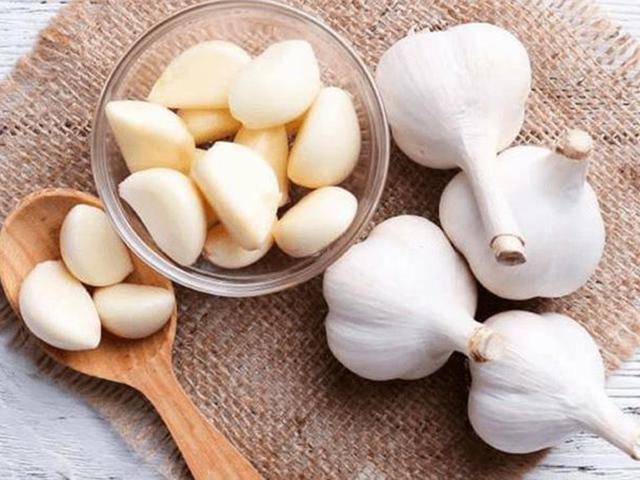
8. Garlic May Worsen Acid Reflux in Some People
If you already experience gastroesophageal reflux disease, eating raw garlic immediately before lying down may be particularly unpleasant.
Garlic can be a trigger for reflux symptoms in some individuals.
Possible symptoms include:
-
Burning in the chest
-
Sour taste
-
Regurgitation
-
Throat irritation
-
Cough
-
Difficulty getting comfortable at night
The combination of a potentially irritating food and lying down soon afterward may make nighttime symptoms more noticeable.
If you have reflux, you may tolerate garlic better when it is cooked and eaten earlier in the evening rather than consumed raw immediately before bed.
Individual responses vary, so paying attention to your own triggers is useful.
9. Garlic Can Cause Gas and Bloating
Garlic contains certain carbohydrates that can be difficult for some people to digest.
In particular, garlic is relatively high in fructans, a type of fermentable carbohydrate.
For people with sensitive digestive systems or irritable bowel syndrome (IBS), garlic can sometimes contribute to:
-
Gas
-
Bloating
-
Abdominal discomfort
-
Changes in bowel habits
This doesn't mean people with IBS can never eat garlic.
Tolerance varies considerably, and preparation and portion size can make a difference.
But if you repeatedly notice digestive symptoms after eating garlic, the answer may be to reduce the amount rather than increasing it because you believe more garlic must be healthier.
10. Garlic May Affect Blood Clotting
Garlic has compounds that may have mild antiplatelet effects.
This has generated interest in garlic's cardiovascular effects, but it also raises an important safety consideration for people taking certain medications.