However, pregnancy is a situation in which supplements should not be taken casually.
Food-level ginger used in ordinary cooking is different from concentrated capsules, extracts, or high-dose preparations.
Pregnant women considering ginger supplements should discuss the appropriate amount and potential risks with their healthcare professional, particularly if they have medical complications or take other medication.
Information about safety during breastfeeding is also more limited than information about ordinary food use.
4. How much ginger should you eat every day?
There is no single universally established daily amount of ginger that guarantees better health.
The amount used in clinical research varies, and studies often involve standardized supplements rather than fresh ginger used in cooking.
For most healthy adults, modest culinary amounts can be a practical way to enjoy ginger without treating it like a medication.
You might use a little freshly grated ginger in a meal, add a few thin slices to hot water, or include powdered ginger in a recipe.
There is no need to consume large quantities or follow a strict daily challenge.
If you want to use a supplement, follow the product instructions and discuss it with a healthcare professional if you have a chronic condition, take medication, are pregnant, or are preparing for surgery.
5. Fresh ginger, dried ginger, and ginger tea: Which is better?
Different forms of ginger offer different advantages.
Fresh ginger has a bright, sharp flavor and is easy to use in soups, stir-fries, sauces, and tea. It contains gingerols and other natural compounds.
Dried ginger has a more concentrated flavor by weight and a different chemical profile. Drying can change some gingerols into shogaols.
Ginger tea is a convenient way to enjoy the flavor. You can prepare it by adding thin slices of fresh ginger to hot water and allowing them to steep. The strength depends on the amount of ginger, water temperature, and steeping time.
Ginger supplements may contain concentrated extracts or powdered ginger. Their composition and strength can vary between products, so they should be treated more like dietary supplements than ordinary food ingredients.
No preparation has been proven to deliver every potential benefit or to be the best option for everyone.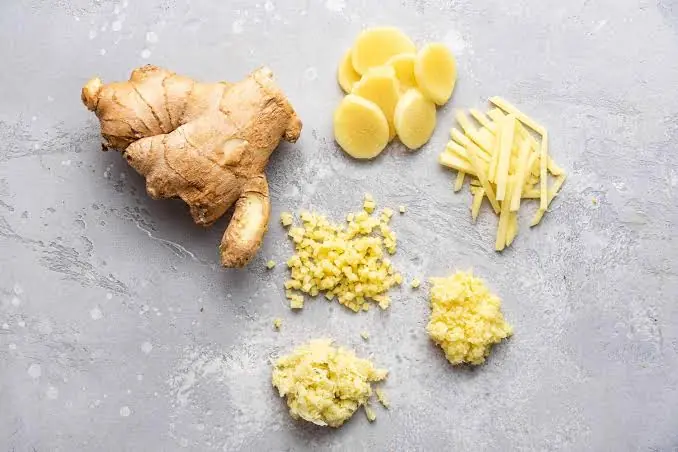
A simple daily ginger routine
If you enjoy ginger and have no reason to avoid it, incorporating it into your diet can be straightforward.
In the morning, you might add a few thin slices of fresh ginger to warm water. At lunch, you could grate a small amount into a vegetable dish or soup. In the evening, ginger can be used as a seasoning for fish, chicken, or vegetables.
You do not need to consume ginger at a particular time of day for it to provide basic nutritional value.
Nor is there convincing evidence that drinking ginger water on an empty stomach produces special detoxification effects.
Your liver and kidneys already perform the body's natural waste-processing functions. Ginger does not need to be used as a detox treatment.
The best approach is to enjoy it as food, rather than expecting it to perform the work of medication or a complete healthy lifestyle.
The takeaway: Ginger is generally well tolerated in ordinary food amounts, but larger doses and concentrated supplements can cause side effects or interact with medication. Start modestly, avoid exaggerated health claims, and seek individualized advice when necessary.
FINAL THOUGHTS: IS EATING GINGER EVERY DAY REALLY WORTH IT?
Ginger may look like an ordinary kitchen ingredient, but its history and growing body of scientific research make it an interesting addition to a healthy diet.
Its natural compounds, including gingerols and shogaols, have demonstrated antioxidant and anti-inflammatory activity in experimental studies. Human research has also explored its potential role in reducing certain types of nausea, influencing stomach emptying, and modestly improving some metabolic measurements.
Some findings are encouraging, particularly those involving nausea. Other areas, such as blood sugar regulation, cholesterol, blood pressure, and chronic inflammation, still require more consistent research.
The most important distinction is that ginger is a food with potential health benefits, not a cure for disease.
Eating it every day will not guarantee that you avoid diabetes, heart disease, arthritis, or digestive problems. It cannot replace prescribed medication, medical evaluation, or established treatments.
For most healthy adults who enjoy its taste, using modest amounts of ginger in everyday meals is a reasonable dietary choice. But concentrated supplements deserve more caution, especially for people taking blood-thinning medication, medication for diabetes or blood pressure, or those with specific medical conditions.
Ultimately, the best reason to include ginger in your diet may be that it makes healthy meals more flavorful while adding a variety of natural plant compounds.
You can put a little in your tea, add it to a soup, mix it into a sauce, or simply enjoy it as part of your regular cooking.
There is no need to turn it into a complicated health ritual.
The real question is not whether ginger is powerful enough to transform your health overnight. It is whether small, sustainable dietary choices can contribute to a healthier lifestyle over time.
And in that respect, ginger may be a worthwhile ingredient to keep in your kitchen.