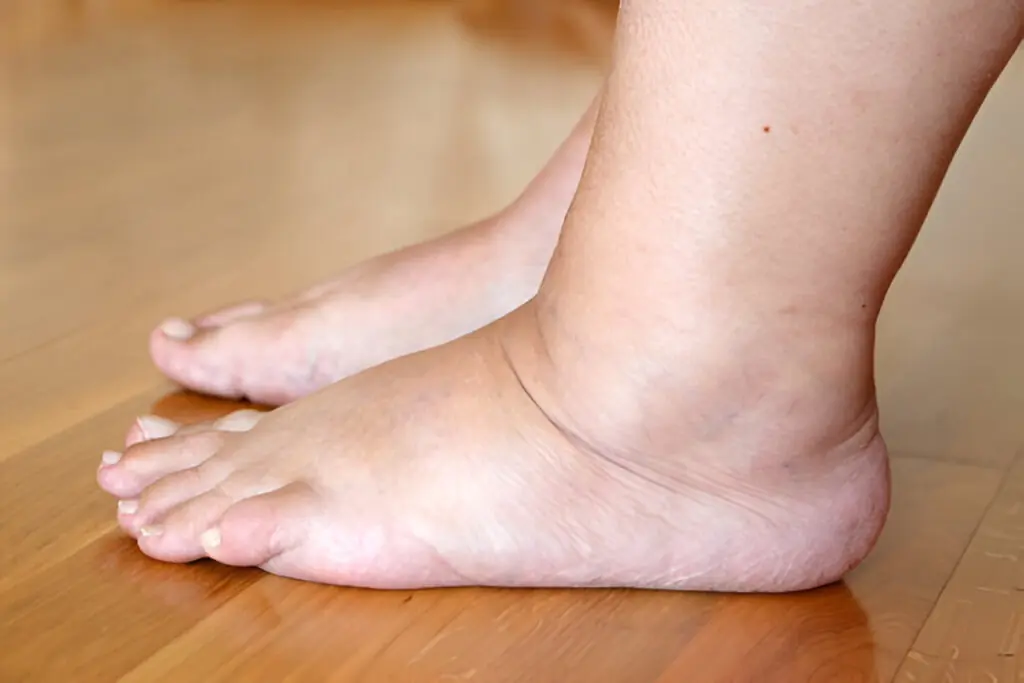
5 unusual signs in your feet that may be your kid.neys crying for help
Your body is sending signals—are you paying attention?
Health 12/04/2026 20:35

When encountering someone who has fainted, many people panic and don’t know whether they should lift the person up or leave them where they are.
According to medical experts, the way you respond in the first few minutes can make a critical difference to the person’s safety.
Fainting occurs when the brain temporarily does not receive enough blood and oxygen.
This can happen due to:
Most fainting episodes are brief, but improper handling can lead to injury or complications.
The answer depends on the situation.
Sudden or rough movement may worsen the condition or cause additional harm.
Doctors recommend the following actions:
This helps improve blood flow to the brain and can speed up recovery.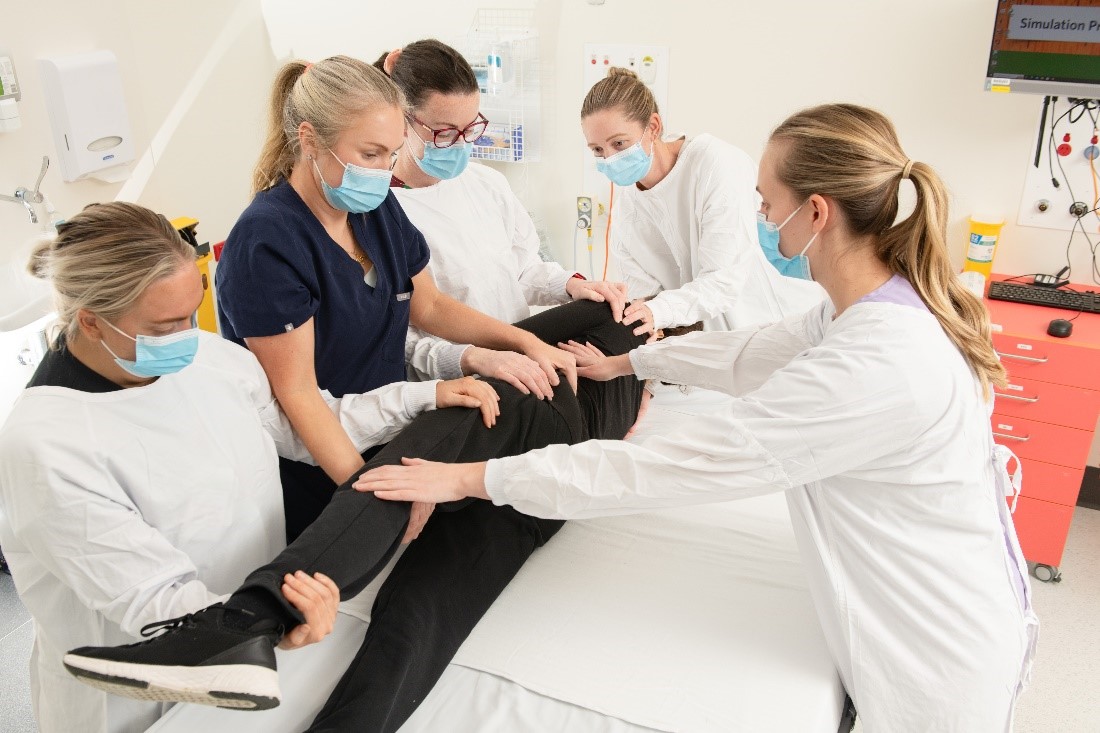
Raising the legs about 20–30 cm can help increase circulation to the brain.
Remove anything that may restrict breathing, such as tight collars, belts, or scarves.
Move the person to a well-ventilated area or create airflow if possible.
Check if the person is breathing normally and regaining consciousness.
Many people make mistakes when trying to help. Avoid:
These actions can be dangerous and may worsen the situation.
Seek medical help immediately if:

When someone faints, staying calm and responding correctly is crucial.
In most cases, it is safer to let the person lie flat, ensure proper breathing, and avoid unnecessary movement unless there is immediate danger.
Knowing what to do—and what not to do—can help protect a life in critical moments.
Your body is sending signals—are you paying attention?

Recognizing early symptoms can help prevent serious heart failure risks.

Nighttime drinking habits can affect sleep and long-term health risks.
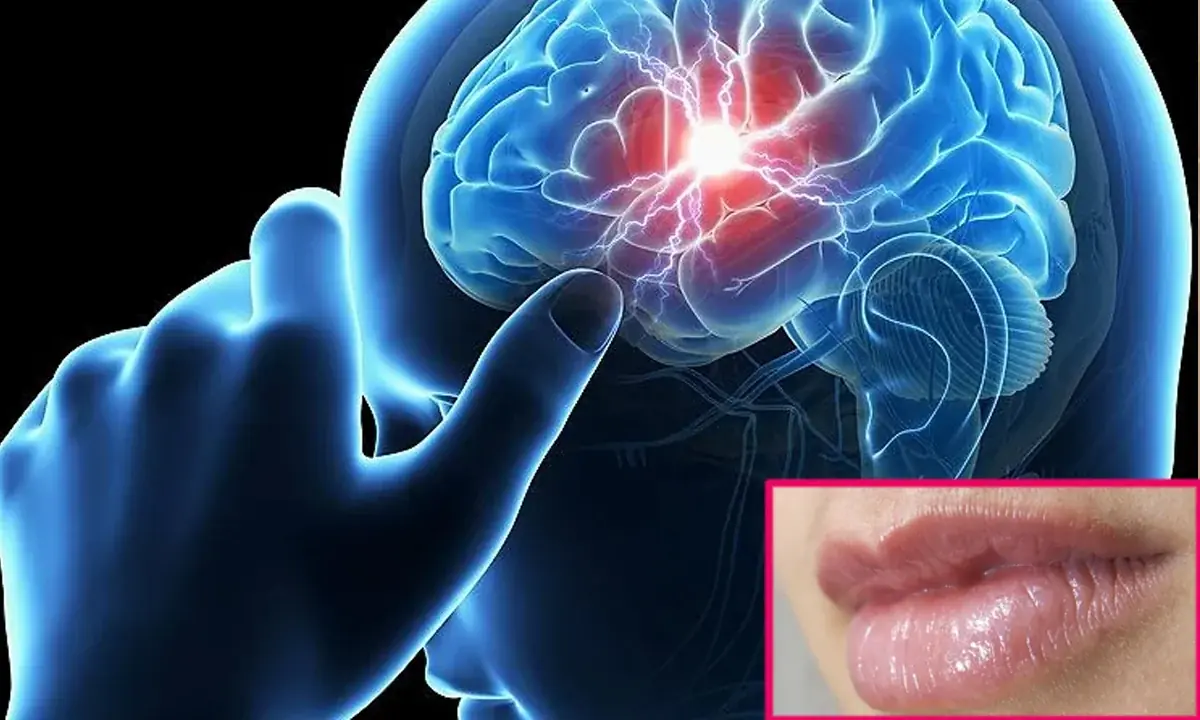
Especially #2 — many people miss this warning sign
How awareness, prevention, and support reduce cervical cancer risks.

A cheap vegetable with powerful health benefits
Especially #2 — most people ignore this dangerous symptom

Eating sweet potatoes daily may seem healthy—but balance matters.
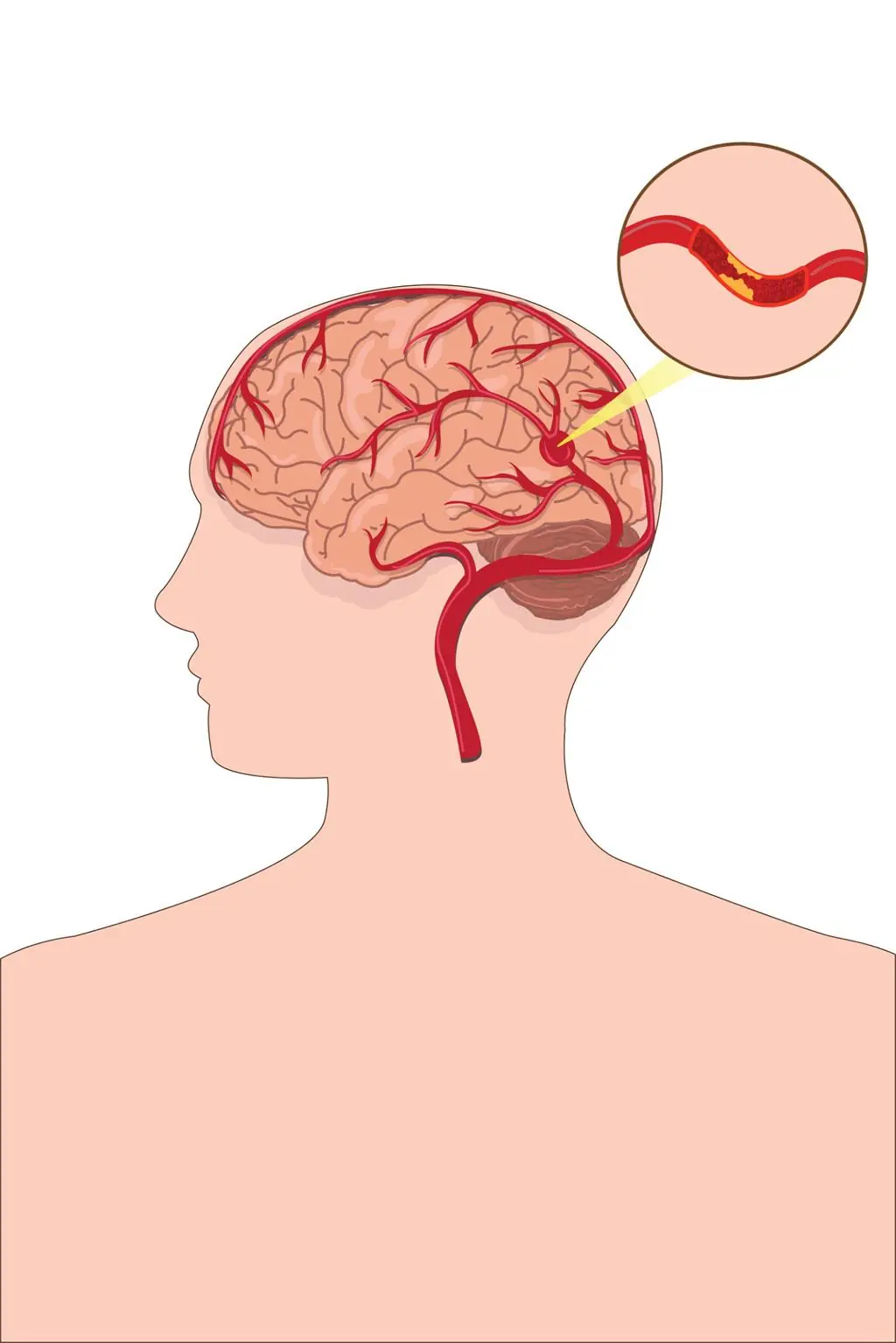
Subtle stroke symptoms can appear briefly but signal serious risk.
Strange body odors may be early signs of serious liver issues.

Sleeping on your left side may support digestion and overall health.

A common garden plant may offer impressive nutritional value.
Wearing socks to bed may improve sleep and body comfort.

Some everyday foods may carry parasites if not handled properly.

Before the Diagnosis: 6 Symptoms Lymphoma Survivors Say They Experienced
The 3 Things to Avoid After Eating and 4 Before Bed — Simple Habits That May Help Prevent Stroke

Daytime Nappers, Listen Up! This Could Change Everything ⬇️

When to Avoid Ginger: 5 Health Conditions to Be Aware Of

Simple daily habits may support longevity and better health over time.
It’s not random—your dog is ‘reading’ you
Your body is sending signals—are you paying attention?
Recognizing early symptoms can help prevent serious heart failure risks.
Nighttime drinking habits can affect sleep and long-term health risks.
Especially #2 — many people miss this warning sign
How awareness, prevention, and support reduce cervical cancer risks.
A cheap vegetable with powerful health benefits

Think twice before planting these around your house
Especially #2 — most people ignore this dangerous symptom
Eating sweet potatoes daily may seem healthy—but balance matters.
Subtle stroke symptoms can appear briefly but signal serious risk.
Strange body odors may be early signs of serious liver issues.
Sleeping on your left side may support digestion and overall health.
A common garden plant may offer impressive nutritional value.
Wearing socks to bed may improve sleep and body comfort.
Some everyday foods may carry parasites if not handled properly.
Before the Diagnosis: 6 Symptoms Lymphoma Survivors Say They Experienced
The 3 Things to Avoid After Eating and 4 Before Bed — Simple Habits That May Help Prevent Stroke
Daytime Nappers, Listen Up! This Could Change Everything ⬇️