Should You Use Laundry Detergent to Clean Your Toilet?
Many people assume that using laundry detergent as a substitute for toilet cleaner can help save money. However, in reality, this practice can lead to more problems than benefits.
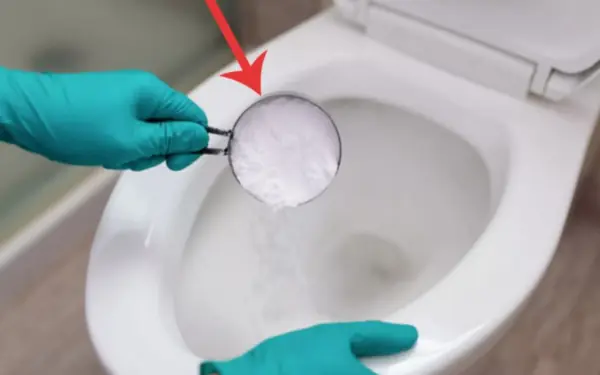
Is It Okay to Use Laundry Detergent to Scrub the Toilet?
When toilet cleaning solutions run out, some households turn to laundry detergent as an easy and cost-effective alternative. However, this can cause serious issues for your home’s waste management system. Using laundry detergent to clean the toilet is not a recommended practice, as it can lead to unintended consequences.
Here are some reasons why you should avoid using laundry detergent for toilet cleaning, even though it is highly effective for washing clothes:
1. Excessive Foam Production
One of the key features of laundry detergent is its strong foaming ability, which helps remove stains from fabrics.
However, when used in toilet cleaning, the excessive foam can cause inconvenience. Too much foam makes flushing more difficult, requiring extra water to rinse completely, leading to water wastage.
2. Incompatibility with Toilet Cleaning
Although laundry detergent is designed for cleaning clothes with specialized formulas, it is not suited for toilet sanitation.
Laundry detergent is effective at removing stains from fabric but is not formulated to tackle tough toilet stains, bacteria, and odors. Yellow stains, calcium buildup, and bacteria in the toilet require stronger and more specialized cleaning agents for effective removal.
3. Damage to Toilet Surfaces
Laundry detergent contains fine particles that can scratch the ceramic surface of the toilet. Frequent use can erode the toilet’s protective glaze, making it more prone to staining and harder to clean. Additionally, the harsh chemicals in detergent can corrode metal parts like toilet seat hinges, leading to gradual damage over time.
4. Risk of Toilet Clogs
Laundry detergent can combine with waste residues, forming clumps that can clog pipes or drainage systems. This not only creates inconvenience but also poses health and safety risks, especially if blockages cause toilet overflows.
Moreover, using detergent can disrupt the microbial balance in septic tanks. The chemicals in detergent may kill or weaken beneficial bacteria and microorganisms responsible for decomposing waste. This reduces the efficiency of waste breakdown, leading to foul odors and a quicker buildup of sludge in the septic tank. Eventually, this may require costly plumbing services to unclog and maintain the system.
5. Safety Concerns
Some ingredients in laundry detergent, such as bleach and artificial fragrances, can irritate the skin and eyes upon contact. When used for toilet cleaning, these chemicals may become airborne, potentially affecting respiratory health if inhaled improperly. This can be especially hazardous for individuals with sensitive skin or respiratory conditions.
Effective Alternatives for Cleaning Your Toilet
If you need a safe and effective way to clean your toilet, consider these natural alternatives:
🔹 Alum Powder: Alum has strong cleaning properties that help break down stains and buildup. Mix 400g of alum powder with 1–1.5 liters of water, stir well, and pour the solution evenly into the toilet. Scrub with a brush and flush.
🔹 Vinegar & Baking Soda: Both vinegar and baking soda have powerful yet gentle cleaning properties, making them popular for household cleaning. Mix white vinegar, baking soda, and warm water in a 2:1:3 ratio. Pour the mixture into the toilet and let it sit for 45 minutes before scrubbing and rinsing with high-pressure water.
🔹 Lemon Juice: The natural acidity of lemon juice makes it a great cleaner for removing yellow stains. Simply spray lemon juice onto stained areas of the toilet, let it sit for 15 minutes, then scrub and flush. For a fresh scent, add a few drops of essential oil to the lemon juice.
🔹 Coca-Cola: This popular soda can surprisingly help remove yellow stains due to its acidic content and carbonation. Pour a generous amount of Coca-Cola into the toilet, let it sit for several hours (or overnight for best results), and then flush.
By choosing these safer and more effective cleaning methods, you can maintain a spotless toilet while avoiding the risks associated with using laundry detergent.