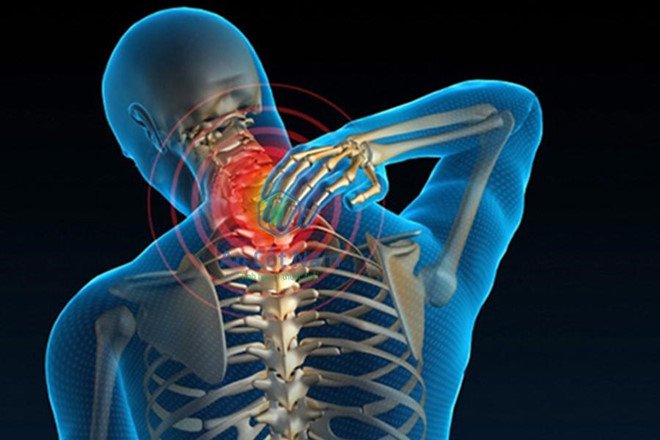
Shoulder pain is one of the most common physical complaints people experience. Most of the time, it’s blamed on poor posture, muscle strain, stress, or sleeping in the wrong position. However, in rare but serious cases, persistent or unexplained shoulder pain can be a referred symptom of internal disease, including liver cancer. Understanding when shoulder discomfort is harmless — and when it may signal something deeper — is critical.
Why the Shoulder Can Reflect Liver Problems
The liver sits in the upper right portion of the abdomen, just beneath the diaphragm. Although the liver itself has no pain receptors, problems in this organ can irritate surrounding tissues and nerves, particularly the phrenic nerve, which shares pathways with nerves that supply the right shoulder.
This phenomenon is known as referred pain. The brain misinterprets the origin of discomfort, causing pain to be felt in the shoulder rather than in the liver area itself.
What Kind of Shoulder Pain Is Concerning?
Not all shoulder pain is alarming. However, certain features raise red flags:
-
Persistent pain that lasts weeks without improvement
-
Right shoulder pain with no clear injury or overuse
-
Pain that worsens at night or while lying down
-
A deep, dull ache rather than sharp muscular pain
-
Shoulder discomfort unrelieved by massage or rest
When these symptoms appear alongside other systemic changes, further evaluation becomes essential.
Other Early Signs of Liver Cancer
Shoulder pain rarely appears alone. It is often accompanied by additional warning signs, including:
-
Unexplained weight loss
-
Loss of appetite or early fullness
-
Chronic fatigue or weakness
-
Abdominal discomfort or swelling
-
Yellowing of the skin or eyes (jaundice)
-
Dark urine or pale stools
-
Nausea or frequent indigestion
The combination of shoulder pain and these symptoms should never be ignored.
Who Is at Higher Risk?
Certain individuals are statistically more vulnerable to liver cancer and should be especially attentive to unusual symptoms:
-
People with chronic hepatitis B or C
-
Those with cirrhosis or long-term liver disease
-
Individuals with a history of heavy alcohol use
-
People with fatty liver disease
-
Patients exposed to aflatoxins (toxins from mold-contaminated food)
-
Those with a family history of liver cancer
For these groups, even subtle changes in the body can be significant.
Why Early Detection Matters
Liver cancer often progresses silently. In early stages, symptoms may be vague or dismissed as minor discomforts. Unfortunately, this leads many cases to be diagnosed late, when treatment options are more limited.
When detected early, liver cancer may be managed with:
-
Surgical removal
-
Localized therapies
-
Liver transplantation in select cases
Early attention to warning signs can dramatically improve outcomes.

When to See a Doctor
You should seek medical evaluation if:
-
Shoulder pain persists for more than two weeks without a clear cause
-
Pain occurs alongside digestive or systemic symptoms
-
There is a known history of liver disease