An aneurysm is a serious medical condition that often develops without noticeable symptoms—until it becomes life-threatening. It occurs when a blood vessel wall weakens and bulges, potentially leading to rupture. When this happens, it can result in severe internal bleeding, stroke, or even death.
Understanding the early warning signs of an aneurysm can make a critical difference. While not all aneurysms show symptoms, recognizing subtle changes in your body could save your life.
What Is an Aneurysm?
An aneurysm is an abnormal swelling or ballooning in the wall of a blood vessel. It can occur in various parts of the body, but the most common types include:
- Brain aneurysm (cerebral aneurysm)
- Aortic aneurysm (in the chest or abdomen)
The danger lies in the possibility of rupture, which can lead to sudden and severe complications.
Common Causes and Risk Factors
Several factors can increase the likelihood of developing an aneurysm:
- High blood pressure
- Smoking
- Atherosclerosis (hardening of the arteries)
- Genetic predisposition
- Age (risk increases after 40)
Lifestyle and underlying health conditions play a significant role in the development of this condition.
Early Warning Signs of a Brain Aneurysm
1. Sudden, Severe Headache
Often described as the “worst headache of your life,” this is one of the most critical warning signs. It may indicate a ruptured aneurysm and requires immediate medical attention.
2. Neck Pain or Stiffness
Pain or stiffness in the neck can occur due to pressure or irritation caused by bleeding in the brain.
3. Blurred or Double Vision
An aneurysm pressing on nearby nerves may affect vision, leading to:
- Blurry eyesight
- Double vision
- Sensitivity to light
4. Nausea and Vomiting
These symptoms often accompany severe headaches and may signal increased pressure in the brain.
5. Loss of Balance or Coordination
Difficulty walking, dizziness, or lack of coordination can be early neurological warning signs.
6. Sensitivity to Light (Photophobia)
Bright light may become uncomfortable or painful, especially during a rupture event.
Symptoms of an Unruptured Aneurysm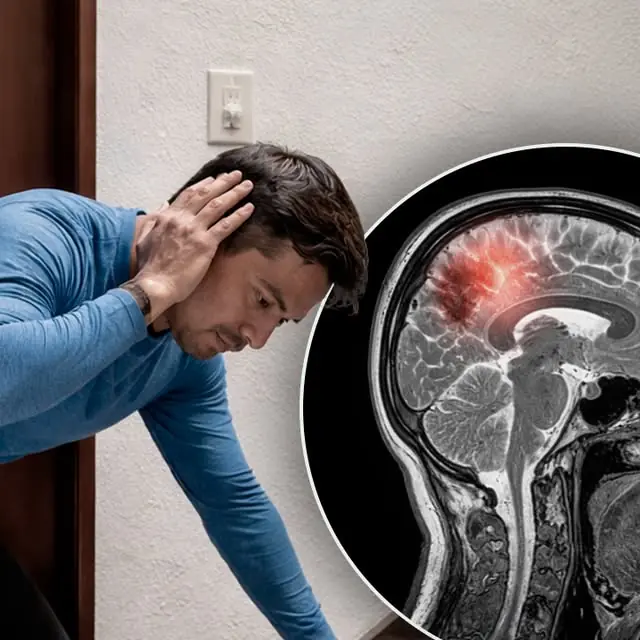
Not all aneurysms rupture immediately. Some remain unruptured but still cause symptoms, such as:
- Localized headache
- Eye pain
- Facial numbness
- Difficulty concentrating
These symptoms are often overlooked but should not be ignored.
Signs of a Ruptured Aneurysm: A Medical Emergency
When an aneurysm ruptures, symptoms can escalate rapidly:
- Sudden loss of consciousness
- Seizures
- Confusion or altered mental state
- Severe, persistent headache
This is a life-threatening emergency requiring immediate medical care.
Aortic Aneurysm Warning Signs
Aneurysms in the aorta may present differently:
- Chest pain (thoracic aneurysm)
- Back or abdominal pain (abdominal aneurysm)
- A pulsating sensation in the abdomen
These symptoms may develop gradually or suddenly.
When Should You See a Doctor?
You should seek immediate medical attention if you experience:
- A sudden, severe headache
- Vision changes
- Difficulty speaking or moving
- Unexplained fainting
Early diagnosis can significantly improve outcomes.
Prevention and Risk Reduction
1. Control Blood Pressure
Keeping blood pressure within a healthy range reduces stress on blood vessels.
2. Quit Smoking
Smoking weakens blood vessel walls and significantly increases risk.
3. Maintain a Healthy Lifestyle
- Eat a balanced diet
- Exercise regularly
- Manage stress
4. Regular Health Check-Ups
Routine screenings can help detect aneurysms before they become dangerous.
Conclusion
Aneurysms are often silent but potentially deadly. Recognizing the warning signs—especially sudden severe headaches, vision problems, and neurological changes—can be lifesaving.
If you or someone around you experiences these symptoms, do not wait. Immediate medical attention can mean the difference between life and death.