Signs of Pan.creatic Can.cer You Should Never Ignore — Often Mistaken for Common Problems
Pancreatic cancer is often called a “silent killer” because its early symptoms are subtle and easy to overlook. Many patients dismiss the warning signs as minor digestive issues or fatigue—only to discover the disease at a much later stage.
Medical experts warn that recognizing these early signals could make a critical difference in diagnosis and survival.
Why Pancreatic Cancer Is So Hard to Detect
Unlike many other cancers, pancreatic cancer rarely shows clear symptoms in its early stages. The pancreas is located deep inside the abdomen, making tumors difficult to detect until they grow or spread.
As a result, many patients are diagnosed late, when treatment options are limited.
Common Signs People Often Ignore
Although symptoms may seem mild at first, doctors say there are several warning signs that should never be overlooked:
1. Persistent Abdominal or Back Pain
One of the most common symptoms is a dull pain in the upper abdomen that may radiate to the back. This discomfort often worsens over time and can be mistaken for digestive issues.
2. Unexplained Weight Loss
Sudden weight loss without changes in diet or activity level is a major red flag. It may occur because the body is unable to properly digest nutrients.
3. Loss of Appetite or Feeling Full Quickly
Many patients report reduced appetite or feeling full after eating small amounts. This can be an early sign of digestive system disruption.
4. Jaundice (Yellowing of Skin and Eyes)
Yellowing of the skin or eyes is one of the more noticeable symptoms. It occurs when a tumor blocks the bile duct, leading to a buildup of bilirubin in the body.
5. Digestive Problems
Symptoms such as nausea, bloating, greasy stools, or difficulty digesting fatty foods may indicate problems with pancreatic function.
6. New-Onset Diabetes
In some cases, pancreatic cancer can affect insulin production, leading to sudden diabetes or difficulty controlling blood sugar levels.
7. Persistent Fatigue
Ongoing tiredness that doesn’t improve with rest may also be an early warning sign, though it is often overlooked.
Symptoms Often Appear Too Late
One of the biggest challenges is that these symptoms are non-specific. They can easily be confused with common conditions like indigestion, stress, or aging.
That’s why many patients ignore them until the disease has progressed significantly.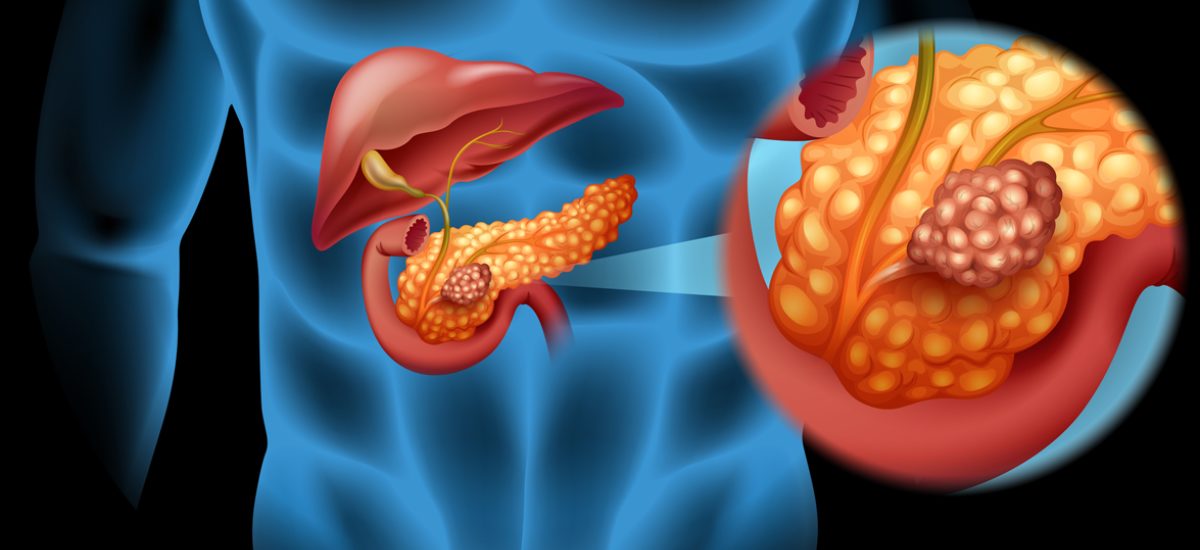
When Should You See a Doctor?
Experts recommend seeking medical advice if you experience:
- Symptoms lasting more than 2–3 weeks
- Multiple symptoms occurring together
- Unexplained changes in weight, appetite, or digestion
Early evaluation can significantly improve the chances of detecting the disease at a treatable stage.
The Key Message: Don’t Ignore Your Body
Pancreatic cancer may not shout—but it does send signals.
Paying attention to persistent, unusual changes in your body—and acting on them—could be life-saving.