Warning Signs of an Aneurysm: What Your Body Might Be Trying to Tell You
An aneurysm occurs when a blood vessel wall weakens, causing it to bulge or balloon. While some aneurysms remain small and harmless, others can grow silently and rupture, leading to life-threatening complications. The tricky part is that many aneurysms develop without obvious symptoms—so recognizing early warning signs can save lives.
Here’s a comprehensive guide to the signs and symptoms you should never ignore.
1. Sudden, Severe Headache
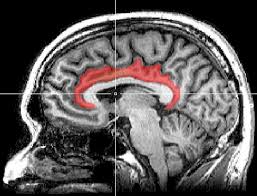

Often called the “worst headache of your life”, this is one of the most common warning signs of a brain (cerebral) aneurysm.
- May appear suddenly and intensely, often with nausea or vomiting.
- Sensitivity to light and neck stiffness can accompany the pain.
- Immediate medical attention is critical.
2. Vision Changes or Eye Problems
Aneurysms in or near the brain can put pressure on surrounding nerves, leading to:
- Blurred or double vision
- Drooping eyelids
- Sudden vision loss in one eye
- Difficulty focusing or eye pain
3. Pain in the Chest, Back, or Abdomen

- Aortic aneurysms (in the chest or abdomen) may cause persistent or sudden pain.
- Chest pain can radiate to the neck, jaw, or shoulder.
- Abdominal pain or a pulsating sensation in the belly may indicate an abdominal aortic aneurysm (AAA).
4. Numbness, Weakness, or Trouble Speaking
If an aneurysm presses on nerves or affects blood flow to the brain:
- You may experience sudden weakness or numbness on one side of the body.
- Difficulty speaking, confusion, or loss of coordination can also occur.
- These are urgent warning signs that require immediate care.
5. Rapid Heartbeat, Dizziness, or Fainting
A ruptured aneurysm can cause:
- Sudden drop in blood pressure
- Rapid or irregular heartbeat
- Dizziness, fainting, or shock
- These symptoms are life-threatening emergencies—call emergency services immediately.
6. Pulsating Sensation in the Body

Some people notice a pulsating feeling in the abdomen or chest, which may indicate a growing aneurysm pressing against surrounding tissues.
⚠️ Key Takeaways
- Many aneurysms are asymptomatic until they rupture.
- Risk factors include high blood pressure, smoking, family history, and age.
- Regular checkups, imaging tests, and awareness of subtle warning signs can make all the difference.
Bottom line: Aneurysms are silent threats that can escalate quickly. Paying attention to unusual pain, neurological changes, or pulsating sensations in the body could save your life. Early detection is the key.