Gas stoves are fast, responsive, and widely used - but they can quietly drive up monthly costs if used inefficiently. The good news is that small adjustments in daily cooking habits can significantly reduce gas consumption without affecting meal quality.
This isn’t about cutting corners. It’s about using heat smarter.

1. Always Use the Right Flame Size
The mistake:
Using a flame that extends beyond the base of the pot.
Why it wastes gas:
Heat escapes around the sides instead of going into the food.
What to do:
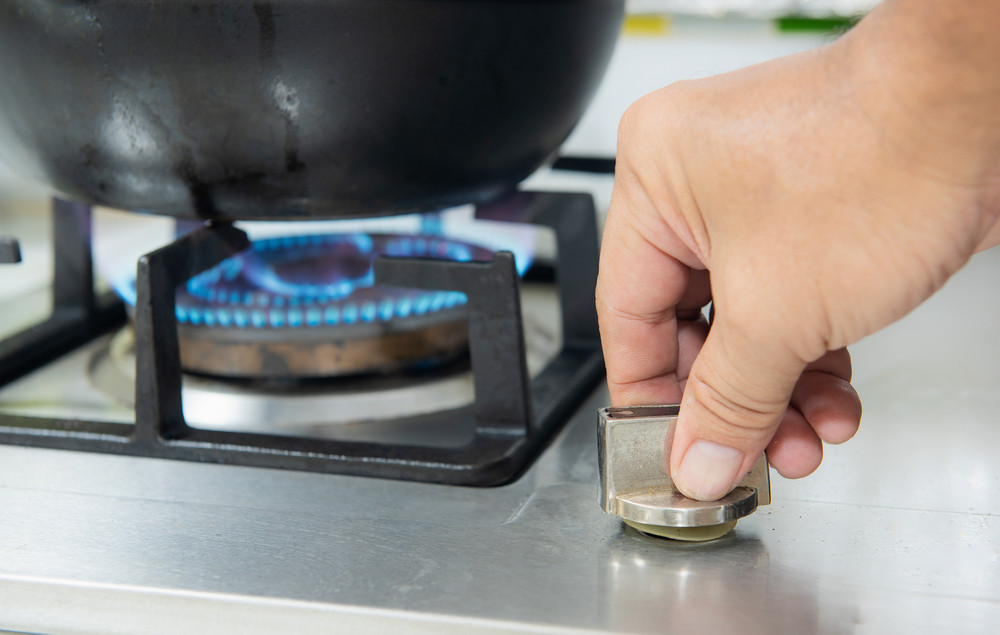
- Match flame size to the pot’s bottom
- Keep the flame blue and steady, not large and flickering
Efficiency rule: Heat should stay under the pot—not around it.
2. Cover Your Pots While Cooking
Why it matters:
Cooking with a lid can reduce cooking time by 20–30%.
Benefits:
- Retains heat
- Speeds up boiling
- Uses less gas overall
Example:
Water boils much faster with a lid than without—simple but effective.
3. Use Flat-Bottomed, High-Quality Cookware
The issue:
Warped or uneven pots don’t distribute heat properly.
Result:
- Longer cooking times
- More gas consumption
Better choice:
- Flat-bottom pans
- Materials like stainless steel or aluminum with good heat conduction
4. Take Advantage of Residual Heat
What most people ignore:
Even after turning off the stove, the pot remains hot.
Smart move:
- Turn off the gas a few minutes before food is fully done
- Let residual heat finish the cooking
Best for:
- Soups
- Stews
- Rice
5. Keep Burners Clean and Well-Maintained
Why this is important:
Clogged burners disrupt gas flow.
Signs of inefficiency:
- Yellow or orange flames
- Uneven heating
What to do:
- Clean burners regularly
- Ensure flame is blue (efficient combustion)
6. Use a Pressure Cooker When Possible
Why it saves gas:
- Traps steam and heat
- Cooks food much faster
Ideal for:
- Beans
- Meat
- Tough ingredients
This can cut cooking time—and gas usage—by up to 50%.
7. Prep Ingredients Before Turning On the Stove
Common habit:
Turning on the stove while still chopping or preparing food.
Why it wastes gas:
The flame runs without doing useful work.
Fix:
- Prepare everything first
- Then start cooking
8. Avoid Reheating Multiple Times
Problem:
Repeated reheating uses more gas than necessary.
Solution:
- Heat only what you plan to eat
- Store food in portions
9. Choose Efficient Cooking Methods
Some methods use less gas than others:
- Steaming > boiling (less water, faster)
- Stir-frying > slow simmering
- Batch cooking > multiple small sessions
10. Check for Gas Leaks or Inefficiencies
Even a small leak can increase costs and pose safety risks.
Warning signs:
- Smell of gas
- Hissing sound
- Unexpectedly high gas bills
Action:
Regularly inspect hoses and connections.
Final Take
Saving gas isn’t about cooking less - it’s about cooking smarter.
- Control flame size
- Trap heat with lids
- Maintain your stove
- Optimize timing
These small habits, done consistently, can reduce gas bills significantly over time while making your kitchen more efficient and safe.