Diabetes is a chronic condition that affects how the body processes glucose (blood sugar). While many people associate diabetes with symptoms such as increased thirst, frequent urination, or fatigue, the skin can sometimes provide early clues that something may be wrong.
In fact, the American Diabetes Association notes that skin problems may be among the first visible signs of diabetes in some individuals. High blood sugar can affect blood vessels, nerves, immune function, and the skin's ability to heal, leading to a variety of skin changes.
It's important to remember that most skin conditions have causes unrelated to diabetes, and having one or more of the changes described below does not necessarily mean you have diabetes. However, if these symptoms are persistent, recurrent, or accompanied by other signs of high blood sugar, it's worth discussing them with a healthcare provider.
Let's explore 12 skin changes that may be associated with diabetes.

How Diabetes Affects the Skin
Healthy skin relies on good circulation, adequate hydration, normal immune function, and proper nerve function.
When blood sugar remains elevated over time, diabetes can contribute to:
-
Reduced blood circulation
-
Damage to small blood vessels
-
Nerve damage (neuropathy)
-
Decreased ability to fight infections
-
Increased inflammation
-
Slower wound healing
These changes may increase the likelihood of developing certain skin conditions.
1. Dry, Itchy Skin
Dry skin is one of the most common skin complaints among people with diabetes.
High blood sugar can contribute to dehydration by increasing fluid loss through frequent urination.
Symptoms may include:
-
Rough skin
-
Flaking
-
Persistent itching
-
Tightness after bathing
Dry skin may also crack, creating openings where bacteria can enter and cause infection.
Moisturizing regularly and maintaining good blood sugar control may help reduce dryness.
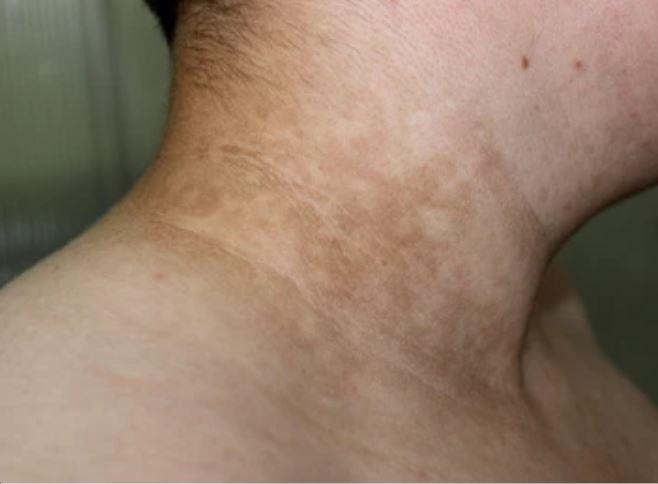
2. Dark, Velvety Patches of Skin (Acanthosis Nigricans)
One of the best-known skin changes linked to insulin resistance is acanthosis nigricans.
It appears as:
-
Dark brown or gray patches
-
Thickened, velvety texture
-
Commonly on the neck
-
Armpits
-
Groin
-
Elbows
-
Knuckles
These patches are often associated with insulin resistance, obesity, prediabetes, and type 2 diabetes.
However, acanthosis nigricans may also occur with certain medications or, rarely, other medical conditions.
3. Slow-Healing Cuts and Wounds
Small cuts usually heal within days or weeks.
When healing becomes unusually slow, diabetes may be one possible explanation.
High blood sugar can impair:
-
Blood circulation
-
Immune cell function
-
Collagen production
-
Tissue repair
If a wound becomes red, swollen, painful, or develops drainage, medical evaluation is important because infection may be present.
4. Frequent Skin Infections
People with diabetes may be more susceptible to infections caused by bacteria or fungi, particularly when blood sugar levels are poorly controlled.
Common infections include:
-
Boils
-
Folliculitis
-
Cellulitis
-
Nail infections
-
Yeast infections in skin folds
Signs of infection include:
-
Redness
-
Warmth
-
Swelling
-
Pain
-
Pus
-
Fever (in more severe cases)
Prompt treatment helps prevent complications.
5. Recurrent Yeast Infections
Yeast thrives in warm, moist environments and may grow more easily when glucose levels are elevated.
Common areas include:
-
Under the breasts
-
Groin
-
Armpits
-
Between fingers or toes
Symptoms may include:
-
Red rash
-
Itching
-
Burning
-
White discharge (depending on the location)
Repeated fungal infections may prompt testing for diabetes or prediabetes.
6. Shin Spots (Diabetic Dermopathy)
Diabetic dermopathy is one of the most common diabetes-related skin findings.
It appears as:
-
Small brown spots
-
Round or oval patches
-
Slightly scaly surface
-
Usually on the front of the lower legs
These spots are generally painless and harmless.
They are thought to result from changes in small blood vessels.
No specific treatment is usually required.
7. Thickened or Tight Skin
Some people with long-standing diabetes develop thickened skin on:
-
Fingers
-
Hands
-
Toes
The skin may become:
-
Tight
-
Waxy
-
Less flexible
This condition may make finger movement more difficult.
Good blood sugar management may help reduce progression.
8. Skin Tags
Skin tags are small, soft growths that commonly occur on:
-
Neck
-
Eyelids
-
Armpits
-
Groin
Although skin tags are common in the general population, having numerous skin tags has been associated with insulin resistance in some studies.
Skin tags themselves are benign and usually require no treatment unless they become irritated.
9. Yellowish Bumps (Eruptive Xanthomatosis)
When diabetes is poorly controlled and triglyceride levels become very high, people may develop eruptive xanthomatosis.
These bumps are:
-
Firm
-
Yellowish
-
Often surrounded by redness
-
Usually found on the buttocks, elbows, knees, arms, or legs
They may be itchy or tender.
This condition requires medical evaluation because it is associated with severe lipid abnormalities.
10. Blisters (Diabetic Bullae)
Although uncommon, some people with diabetes develop spontaneous blisters known as diabetic bullae.
These blisters:
-
May appear suddenly
-
Are usually painless
-
Often occur on the feet, legs, hands, or forearms
-
Typically heal without scarring if infection does not occur
Because blisters can also result from burns, friction, or other skin diseases, they should be evaluated by a healthcare provider.
11. Persistent Itching
Generalized itching may result from:
-
Dry skin
-
Poor circulation
-
Nerve damage
-
Skin infections
Localized itching, especially on the lower legs, is common in some people with diabetes.
Persistent itching without an obvious cause should be discussed with a healthcare professional.
12. Foot Skin Changes
Diabetes can damage nerves and reduce blood flow to the feet.
People may notice:
-
Dry, cracked heels
-
Calluses
-
Ulcers
-
Loss of sensation
-
Color changes
-
Swelling
Foot ulcers are among the most serious complications because they can become infected and heal slowly.
Daily foot inspection is recommended for many people with diabetes.
Other Symptoms That May Occur Alongside Skin Changes
Skin changes are often accompanied by more familiar symptoms of diabetes, including:
-
Increased thirst
-
Frequent urination
-
Unexplained weight loss
-
Increased hunger
-
Fatigue
-
Blurred vision
-
Slow wound healing
-
Frequent infections
If several of these symptoms occur together, blood sugar testing may be appropriate.
How Diabetes Is Diagnosed
If diabetes is suspected, your healthcare provider may recommend:
-
Fasting plasma glucose test
-
Hemoglobin A1C (HbA1c)
-
Oral glucose tolerance test
-
Random blood glucose test
These tests help determine whether blood sugar levels are within a healthy range.
Can These Skin Changes Improve?
In many cases, yes.
Improved blood sugar management may help reduce or prevent certain diabetes-related skin problems.
Other helpful measures include:
-
Keeping skin clean and moisturized
-
Treating infections promptly
-
Avoiding very hot showers if skin is dry
-
Wearing comfortable footwear
-
Inspecting the feet daily
-
Staying hydrated
-
Avoiding smoking
-
Following your healthcare provider's diabetes treatment plan
Some skin conditions may require additional treatment from a dermatologist.
Common Myths About Diabetes and Skin
Myth 1: Every Skin Rash Means Diabetes
False.
Most skin rashes are caused by conditions such as eczema, allergies, infections, or irritation rather than diabetes.
Myth 2: Only People With Severe Diabetes Develop Skin Problems
False.
Skin changes can sometimes appear before diabetes is diagnosed or during the early stages of the disease.
Myth 3: Skin Tags Always Mean Diabetes
False.
Skin tags are very common and often occur in people without diabetes. However, multiple skin tags may be associated with insulin resistance in some individuals.
Myth 4: Improving Blood Sugar Will Immediately Reverse Every Skin Condition
False.
Some skin changes improve gradually with better blood sugar control, while others may require medical treatment or may not fully resolve.
When Should You See a Doctor?
You should seek medical evaluation if you experience:
-
Skin changes that persist or worsen
-
Recurrent fungal or bacterial infections
-
Slow-healing wounds
-
New dark, velvety patches of skin
-
Painful or infected sores
-
Foot ulcers or loss of sensation
-
Skin symptoms accompanied by excessive thirst, frequent urination, unexplained weight loss, or blurred vision
Early diagnosis and treatment of diabetes can help prevent complications and improve overall health.

Final Thoughts
Your skin can sometimes provide valuable clues about your overall health, including conditions such as diabetes. Changes such as persistent dryness, slow-healing wounds, dark velvety patches, frequent infections, or unusual bumps may be associated with elevated blood sugar or insulin resistance. However, these findings are not specific to diabetes and often have other possible causes.
Rather than self-diagnosing based on skin changes alone, pay attention to persistent or recurring symptoms and discuss them with a healthcare provider. If diabetes is diagnosed, maintaining healthy blood sugar levels, following a balanced diet, staying physically active, and caring for your skin can help reduce the risk of complications and support long-term well-being.