Sleep is often one of the first things people sacrifice when life becomes busy. Whether it's staying up late to finish work, scrolling through social media, or watching "just one more episode," many adults consistently get less sleep than they need. Unfortunately, poor sleep doesn't simply leave you feeling tired the next day—it may also have important effects on your heart, brain, and overall health.
While there isn't a single "sleep mistake" that affects everyone the same way, consistently poor sleep habits—such as sleeping too little, maintaining an irregular sleep schedule, or leaving sleep disorders untreated—have been linked to a higher risk of several chronic health conditions.
Let's explore why sleep is so important and how one common mistake—neglecting sleep quality and duration—may affect your body over time.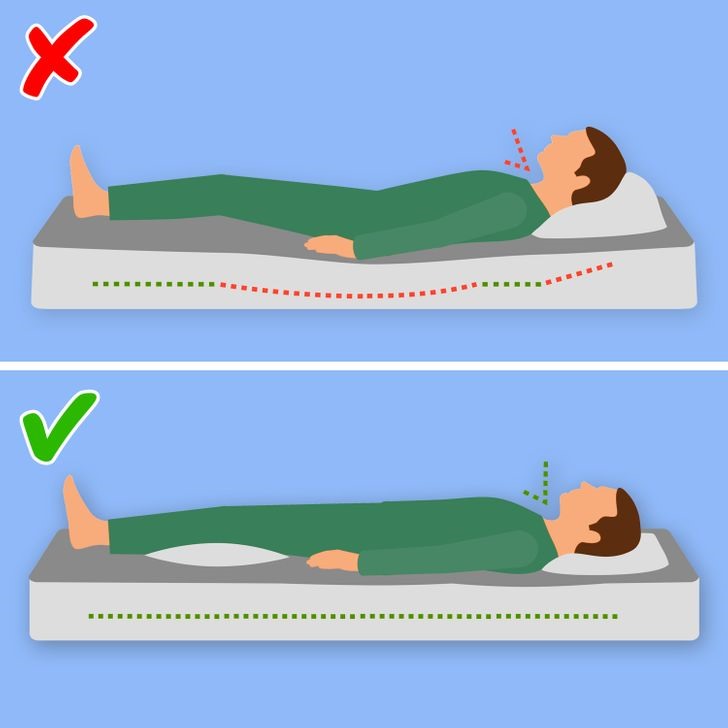
Why Sleep Is Essential
Sleep is far more than a period of rest.
During sleep, your body performs numerous important functions, including:
-
Repairing tissues
-
Strengthening the immune system
-
Consolidating memories
-
Regulating hormones
-
Supporting brain function
-
Maintaining cardiovascular health
Adults generally benefit from about 7 to 9 hours of quality sleep each night, although individual needs may vary.
The Common Sleep Mistake
One of the most widespread sleep mistakes is consistently getting too little quality sleep.
This may happen because of:
-
Staying up too late
-
Shift work
-
Excessive screen time before bed
-
Stress or anxiety
-
Untreated sleep disorders such as sleep apnea
-
Frequent nighttime interruptions
Occasionally sleeping less is usually not a major concern, but making it a long-term habit may affect multiple body systems.
How Poor Sleep May Affect the Heart
Your cardiovascular system continues working while you sleep.
Healthy sleep allows:
-
Heart rate to slow
-
Blood pressure to decrease
-
Blood vessels to recover
When sleep is consistently poor, these restorative processes may be disrupted.
1. Higher Blood Pressure
Insufficient sleep has been associated with an increased likelihood of developing high blood pressure.
During healthy sleep, blood pressure normally falls.
If sleep is repeatedly shortened or interrupted, blood pressure may remain elevated for longer periods.
2. Increased Cardiovascular Risk
Research suggests that chronic sleep deprivation may be associated with a greater risk of:
-
Coronary artery disease
-
Heart attack
-
Heart failure
-
Irregular heart rhythms
Sleep is considered an important component of heart health alongside diet, exercise, and avoiding smoking.
How Poor Sleep May Affect the Brain
Your brain remains highly active while you sleep.
During the night, it performs important tasks such as:
-
Organizing memories
-
Removing metabolic waste
-
Supporting learning
-
Restoring cognitive function
Poor sleep may interfere with these processes.
3. Reduced Memory
Many people notice that after a poor night's sleep they:
-
Forget details
-
Misplace items
-
Have trouble learning new information
Sleep plays a critical role in memory consolidation.
4. Difficulty Concentrating
Sleep deprivation may lead to:
-
Reduced attention
-
Slower reaction time
-
Poor decision-making
-
Decreased productivity
Even moderate sleep loss can affect daily performance.
5. Mood Changes
Poor sleep may also influence emotional well-being.
People experiencing inadequate sleep often report:
-
Irritability
-
Anxiety
-
Increased stress
-
Lower mood
Mental health and sleep are closely connected, with each influencing the other.
The Role of Sleep Apnea
One often-overlooked cause of poor sleep is obstructive sleep apnea.
This condition causes repeated pauses in breathing during sleep.
Common symptoms include:
-
Loud snoring
-
Gasping during sleep
-
Morning headaches
-
Excessive daytime sleepiness
Untreated sleep apnea has been associated with increased risks of:
-
High blood pressure
-
Stroke
-
Heart disease
-
Type 2 diabetes
If these symptoms sound familiar, medical evaluation is important.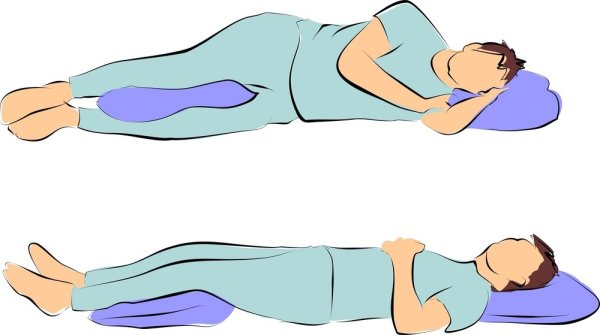
Sleep and Stroke Risk
Research has found that both too little and too much sleep may be associated with an increased risk of stroke in some populations.
Irregular sleep schedules and untreated sleep disorders may also contribute to vascular health problems.
Although sleep alone does not cause stroke, maintaining healthy sleep habits is considered an important part of overall stroke prevention.
Sleep and Blood Sugar
Sleep affects hormones involved in glucose regulation.
Poor sleep may reduce insulin sensitivity, making it more difficult for the body to regulate blood sugar efficiently.
Over time, this may contribute to an increased risk of developing type 2 diabetes, especially when combined with other risk factors.
Sleep and Weight Management
Insufficient sleep may influence hormones that regulate appetite.
People who sleep too little often experience:
-
Increased hunger
-
More food cravings
-
Preference for high-calorie foods
-
Reduced feelings of fullness
These changes can make maintaining a healthy weight more challenging.
Signs Your Sleep May Need Attention
You may benefit from improving your sleep habits if you regularly experience:
-
Difficulty falling asleep
-
Frequent nighttime awakenings
-
Loud snoring
-
Morning headaches
-
Persistent daytime fatigue
-
Difficulty concentrating
-
Irritability
-
Needing caffeine throughout the day to stay alert
These symptoms may indicate poor sleep quality or an underlying sleep disorder.
Healthy Sleep Habits
Improving sleep often begins with simple lifestyle changes.
Keep a Consistent Schedule
Try going to bed and waking up at the same time every day, including weekends.
Limit Screen Time Before Bed
Blue light from phones, tablets, and computers may delay the body's natural production of melatonin.
Consider turning off electronic devices at least 30 to 60 minutes before bedtime.
Create a Comfortable Sleep Environment
Your bedroom should ideally be:
-
Quiet
-
Dark
-
Cool
-
Comfortable
A relaxing sleep environment supports better sleep quality.
Limit Caffeine Late in the Day
Caffeine may remain in the body for several hours.
Avoiding coffee, energy drinks, and certain teas later in the afternoon or evening may help some people fall asleep more easily.
Stay Physically Active
Regular exercise has been shown to support better sleep.
However, intense exercise immediately before bedtime may interfere with sleep for some individuals.
When Should You See a Doctor?
Talk to a healthcare professional if you experience:
-
Chronic insomnia
-
Loud snoring
-
Pauses in breathing during sleep
-
Excessive daytime sleepiness
-
Persistent fatigue despite adequate time in bed
-
Difficulty staying asleep for several weeks
A sleep evaluation may identify treatable conditions that affect both sleep quality and long-term health.
Common Myths About Sleep
Myth 1: You Can Catch Up on Sleep Completely Over the Weekend
Sleeping in may help reduce short-term fatigue, but it does not fully reverse the effects of chronic sleep deprivation.
Myth 2: Older Adults Need Much Less Sleep
Although sleep patterns change with age, most adults still require approximately 7 to 9 hours of sleep.
Myth 3: Snoring Is Always Harmless
Occasional snoring is common, but loud, persistent snoring—especially when accompanied by pauses in breathing—may indicate obstructive sleep apnea.
Final Thoughts
Sleep is one of the most powerful and often overlooked - pillars of good health. Consistently getting too little sleep, following an irregular sleep schedule, or leaving sleep disorders untreated may affect not only your daily energy levels but also your heart, brain, metabolism, and emotional well-being over time.
Fortunately, many sleep-related risks can be reduced through healthy habits such as maintaining a regular sleep schedule, creating a restful sleep environment, limiting screen time before bed, and seeking medical evaluation for persistent sleep problems.
Taking sleep seriously isn't simply about feeling rested the next morning. It's an investment in your long-term health, helping to support a healthier heart, a sharper mind, and a better quality of life for years to come.