If a fan blows directly toward your face throughout the night, air movement can increase evaporation from the surface of the eyes. Some people may wake up with dryness, irritation, a gritty sensation, or watery eyes.
This can be especially noticeable in people who already experience dry eyes.
Contact lens wearers may also be more sensitive to overnight eye dryness, although contact lenses should never be worn during sleep unless specifically approved for that purpose by an eye-care professional.
A simple adjustment can make a significant difference.
Instead of pointing the fan directly at your face, position it farther away or aim it toward a wall so that it circulates the air more gently.
If you repeatedly wake with painful, severely red, or persistently irritated eyes, don't automatically blame the fan. Other causes of dry eye are common and may require evaluation.
4. You May Wake Up With a Dry Mouth or Nose
If you sleep with your mouth open, continuous airflow may make dryness in your mouth or nasal passages more noticeable.
You might wake up feeling thirsty, have a dry or sticky mouth, or notice that your nose feels uncomfortable.
Several factors can contribute to this, including:
- Mouth breathing
- Nasal congestion
- Allergies
- Dehydration
- Dry indoor air
- Certain medications
- Snoring or sleep-related breathing problems
A fan may make the sensation more noticeable because air is constantly moving through the room.
If you regularly wake with severe dry mouth, particularly if you also snore loudly, gasp during sleep, or feel excessively tired during the day, the fan may not be the main issue.
Those symptoms can sometimes occur with sleep-disordered breathing, including sleep apnea, and are worth discussing with a healthcare professional.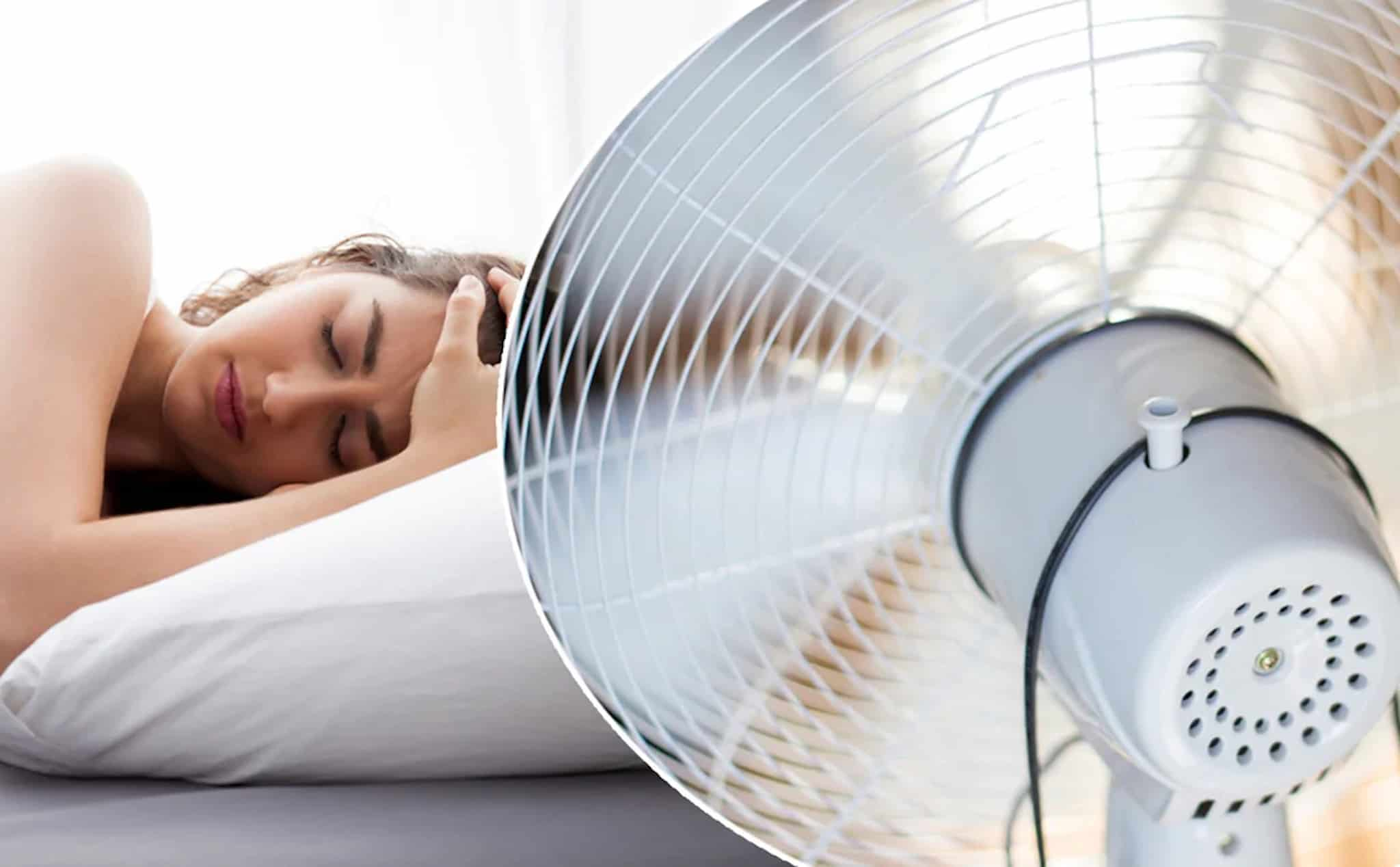
5. Dust and Allergens May Become More Noticeable
A fan doesn't create dust or allergies, but a dirty fan can circulate particles that are already present in the room.
Dust, pet dander, pollen, and other airborne particles can potentially become redistributed when air is constantly moving.
For people with allergies or asthma, this may contribute to symptoms such as:
- Sneezing
- Runny or stuffy nose
- Itchy eyes
- Coughing
- Throat irritation
The solution isn't necessarily to stop using a fan.
Instead, keep the fan itself clean and pay attention to the overall cleanliness of the bedroom.
Dust can accumulate on fan blades and protective grills over time. Regularly cleaning them according to the manufacturer's instructions can help prevent accumulated debris from being blown around the room.
Keeping bedding clean and reducing unnecessary dust in the bedroom can also help people who are sensitive to allergens.